

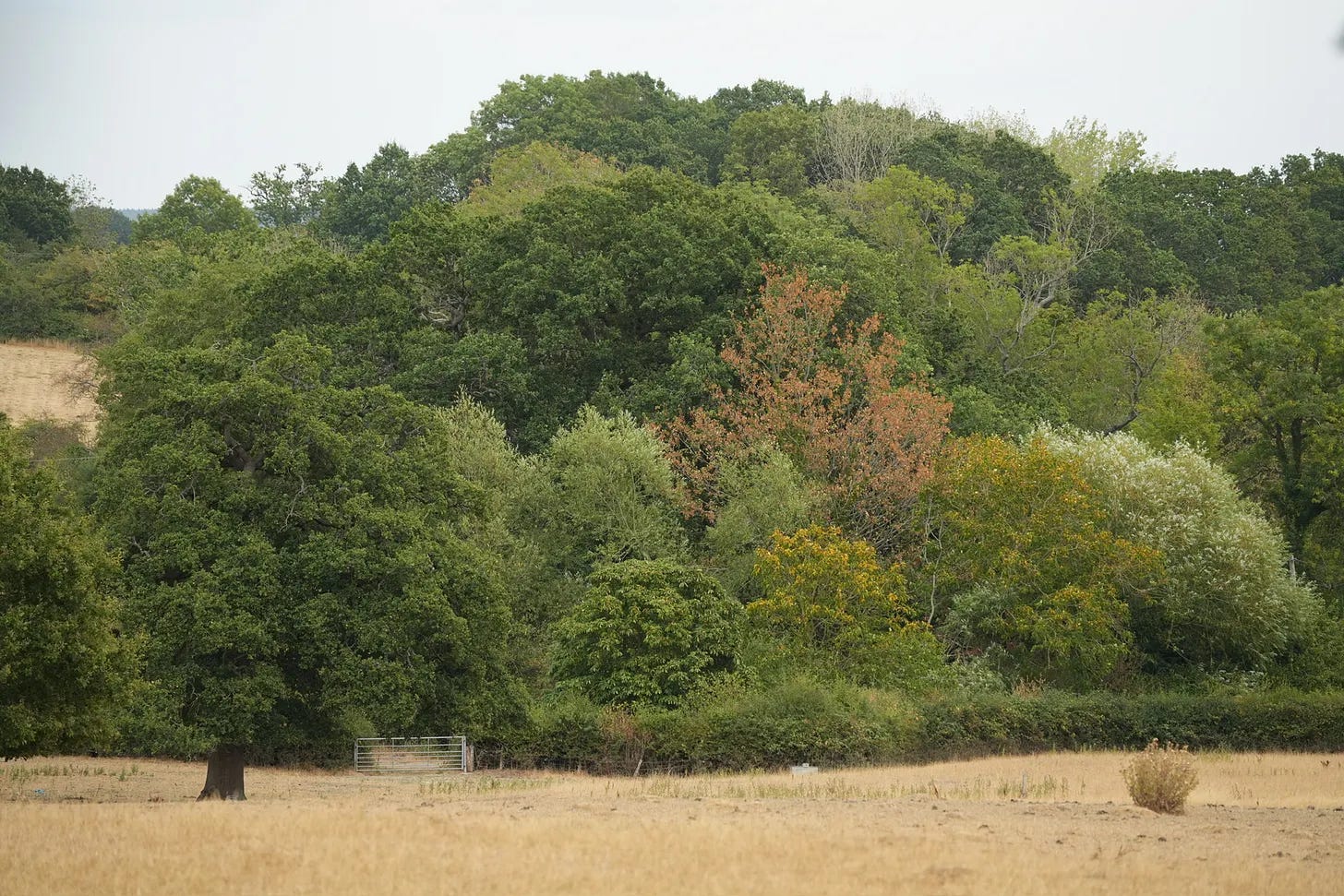
In the last week I travelled from North Yorkshire down the east of England right to the worst drought areas at the south of the country. Documenting what I saw along the way and looking out for signs of drought tolerant plants in a year that has broken records with lack of rain and up to five heatwaves. I needed to see it, the damage and for any signs of hope.
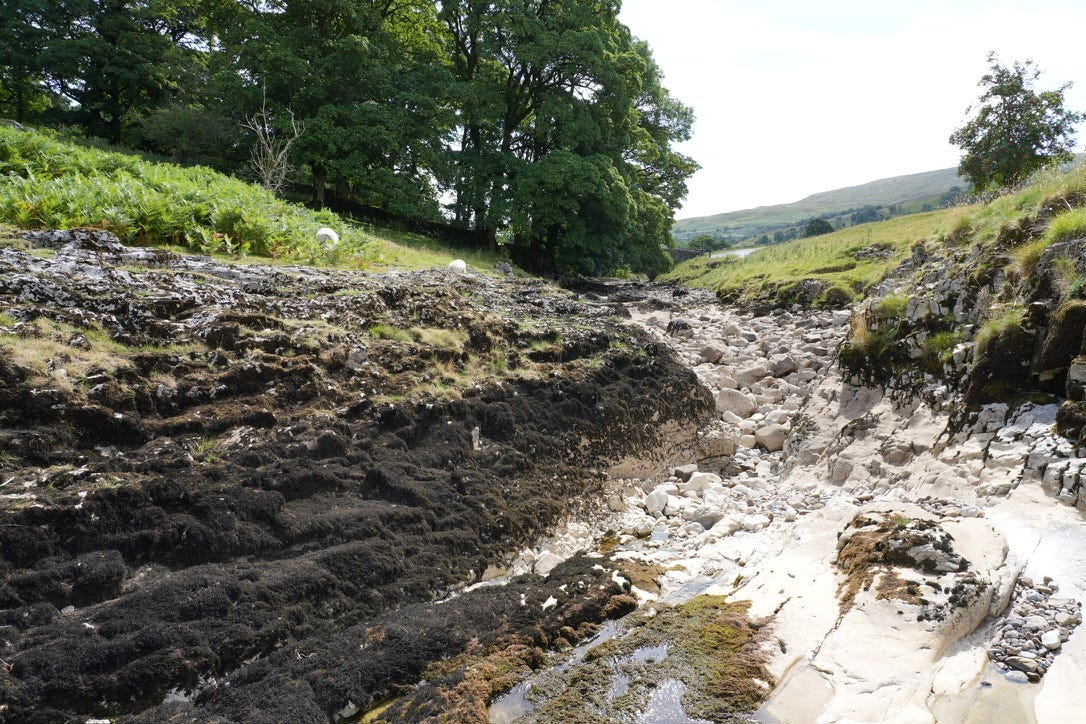
In North Yorkshire in early August I discovered one river that was completely dry, bogs drying out and grasslands brown. North and East Yorkshire are worse affected than West Yorkshire where we’ve had rain. In the dales trees were showing signs of stress with leaf drop earlier, which did happen here in West Yorkshire over the first weeks of August after a long stretch with no rain.
Back in May I’d seen the effects of the dry spring in Kent where there wasn’t any rain throughout April at a number of my new design projects. Lack of rain in spring when new plants are sending out their first roots is a disaster stunting growth, crisping leaves and killing many. I dreaded what had happened following the summer of record heatwaves and months of no rain.
I’ve also been frustrated with the media’s lack of coverage explaining what the conditions were doing to nature. Often lacking detail around the effects on plants and wildlife, leaning toward sensationalism, brown parks and a focus on wildfires. It’s been frustrating seeing severe effects of anthropogenic climate change and our Government barely even mentioning it when they should be calling a national emergency briefing.
What I discovered on my trip down south was hope, that the situation wasn’t yet the apocalypse I’d imagined, life is clinging on by its evolutionary coping mechanisms. But I also felt horror from the unnecessary strain placed upon nature and food growers, and the unseen harm to wildlife. While much life is coping, there will be much that has not survived and that fills me with a dread for what humanity is doing, made worse by the country’s complete lack of action to slow global warming. We need to find a way to make Government act.
Below I have shared an overview of observations of the drought from North Yorkshire, down the east coast of the country to west Kent and West Sussex.
1) False autumn
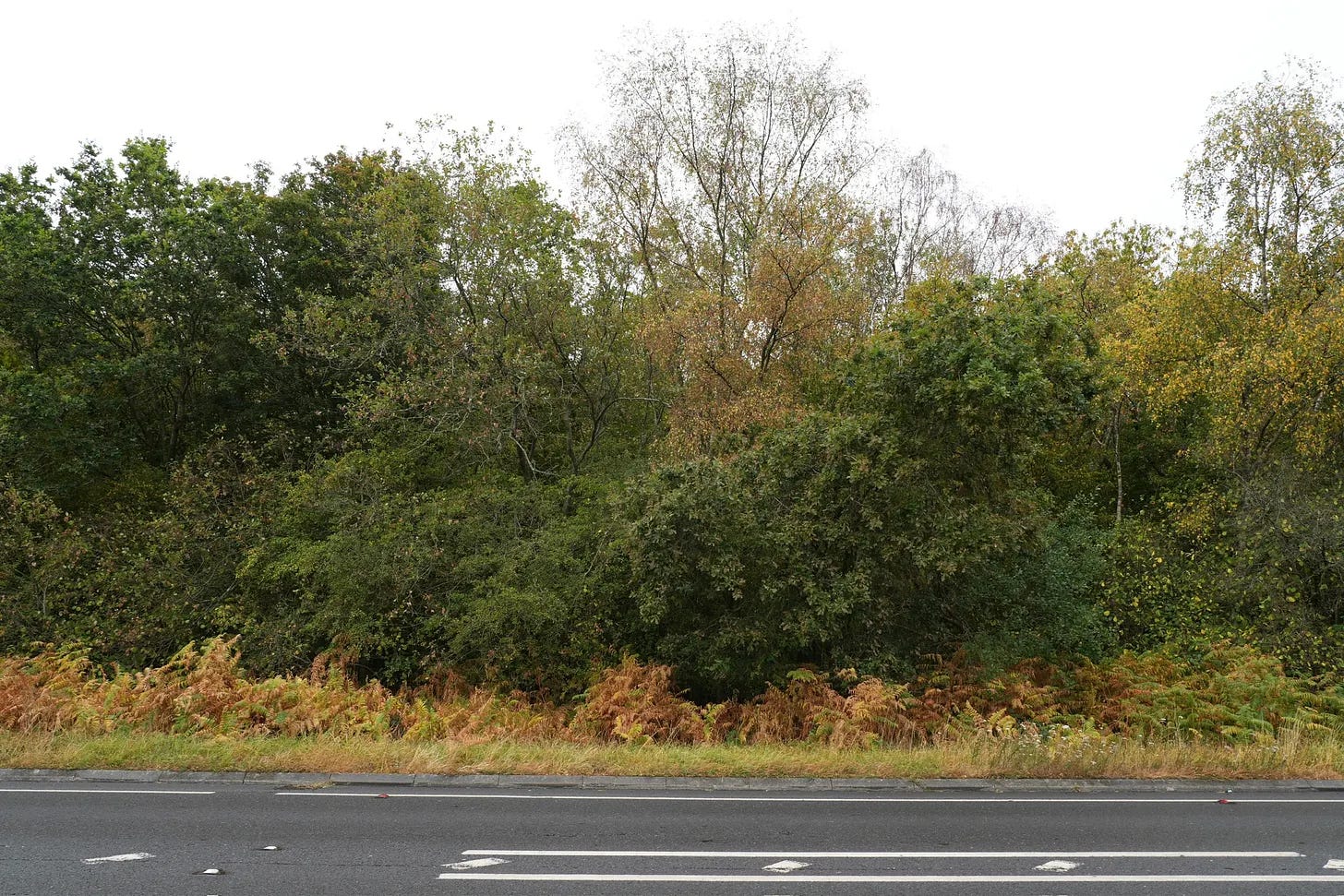
Driving the length of east England the landscape is so familiar as autumn I had to remind myself that it was mid-August, not November. Verges, hedgerows and woodlands are showing signs of drought and heat stress by giving up on leaves to save energy. It’s a false autumn dulled by lack of water, not the vibrant beautiful true autumn we know.
2) Media is looking in the wrong place
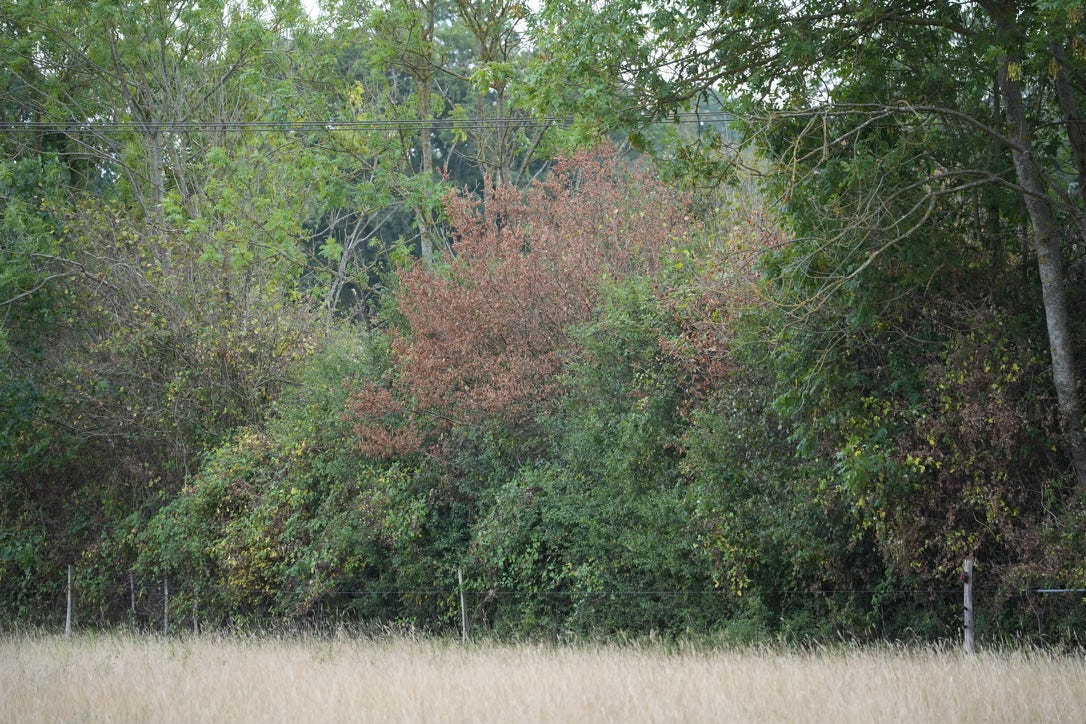
I’ve found it very frustrating to see the same shots of parks with brown grass, which looks dramatic but happens even in a normal year, when to my eye there was still green everywhere in the trees, shrubs and hedges. That is one of the big stories of the heatwaves. What is happening to the plants that don’t normally go dormant?
3) Nature is clinging on
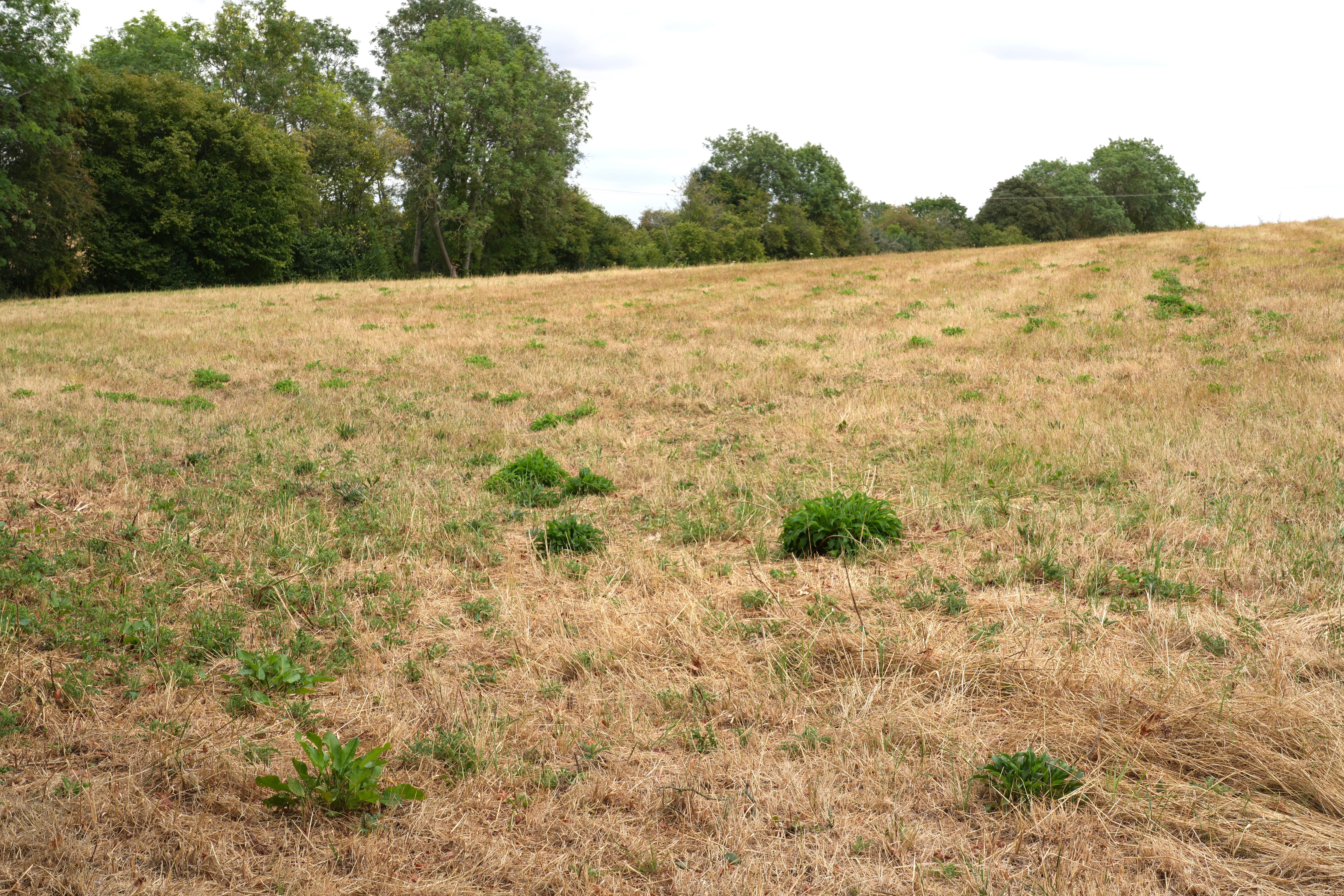
Overall there is hope, nature is clinging onto life by deploying every drought strategy plants have. Southern drought areas were not as bad as I had expected, though of course it is still bad. 90% of trees and shrubs on my 300 mile journey were largely OK. The further south, the more signs of drought stress but there is still a lot of green. In patches some trees are doing worse than others with dieback of branches and even complete leaf loss but those patches are, so far, minimal compared to the survivors. Close examination of meadows shows grasses with green inner leaves waiting for rain and many wildflowers thriving in the conditions - just not the plants many gardeners would ordinarily consider for their gardens.
4) Drought thrivers
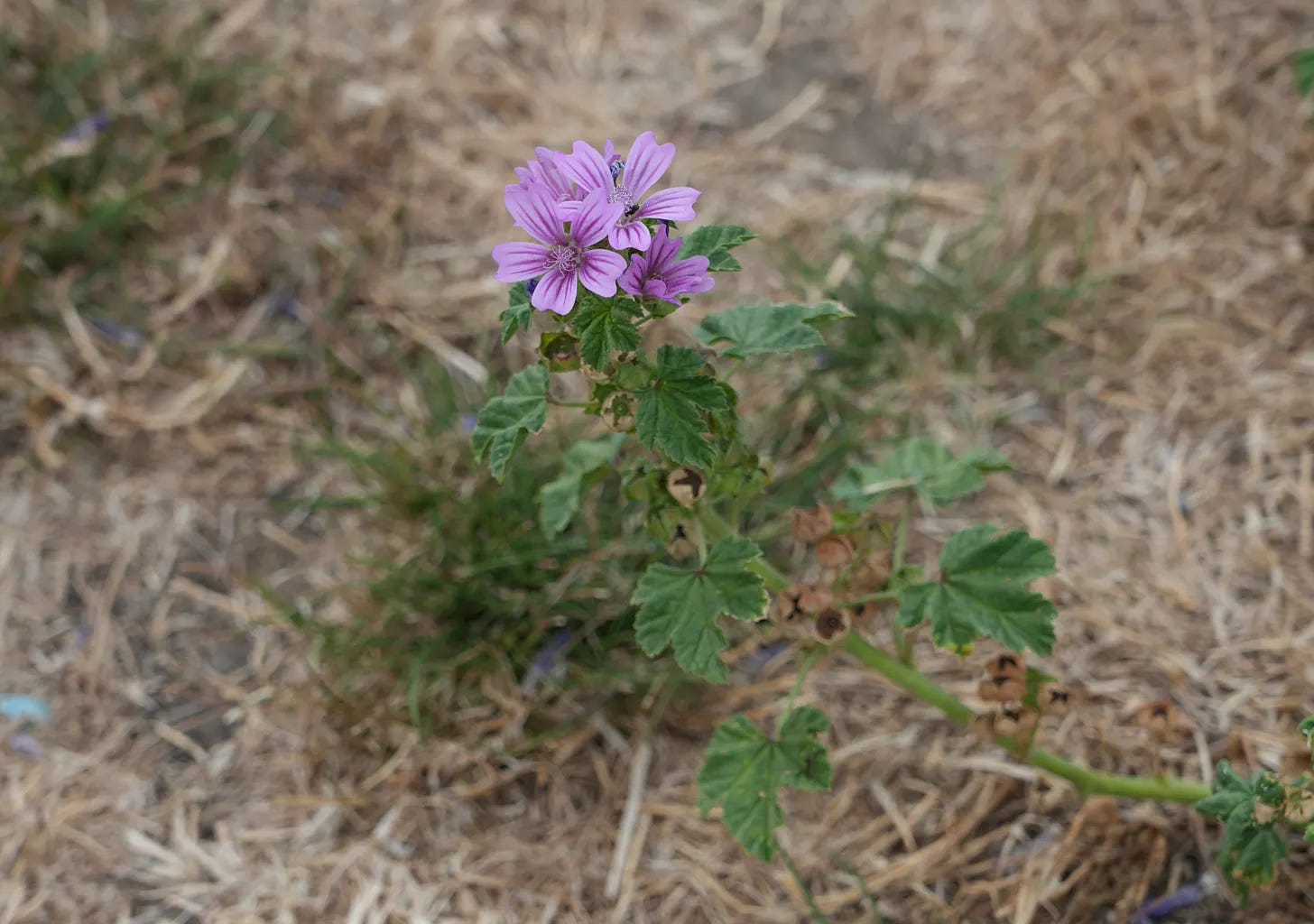
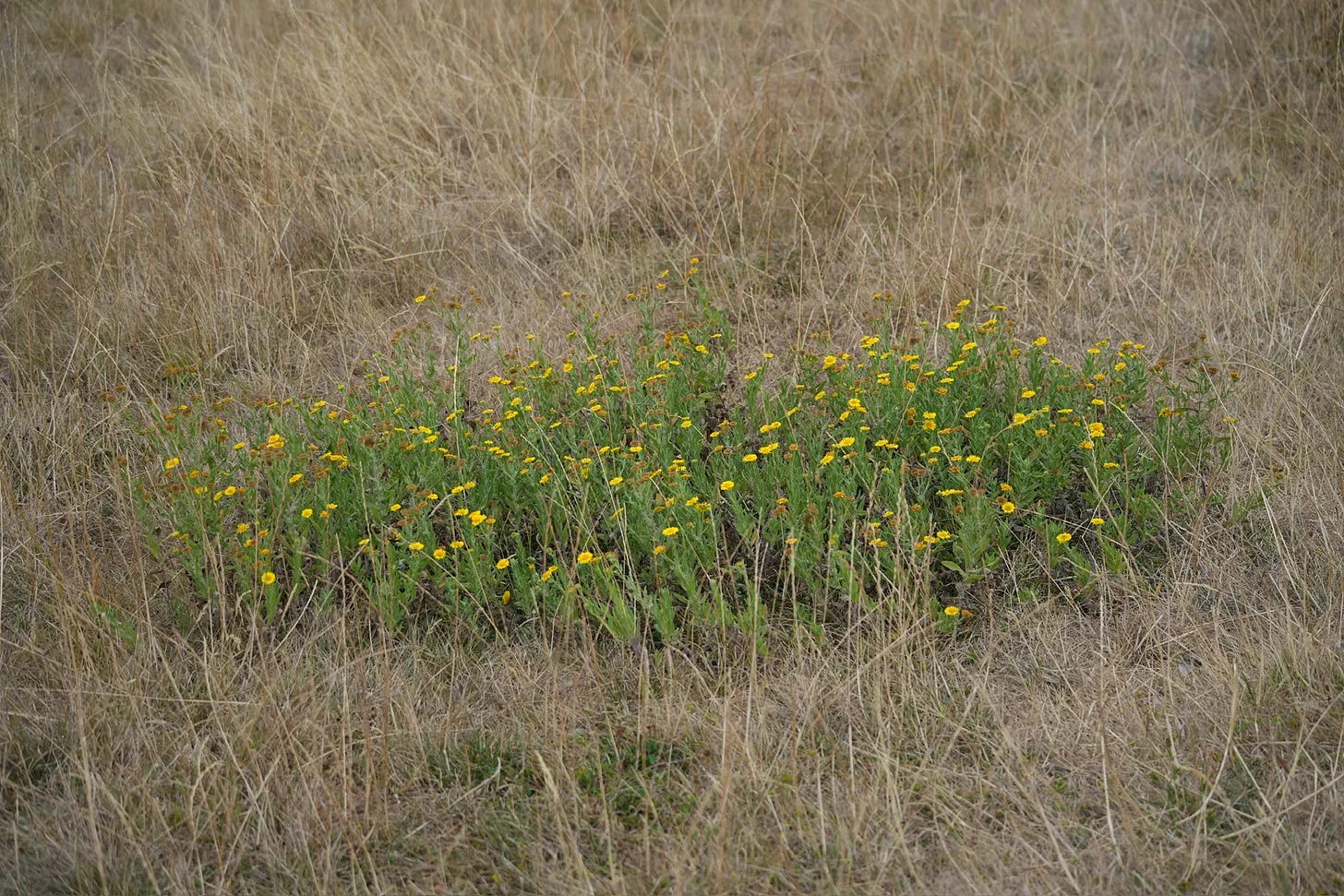
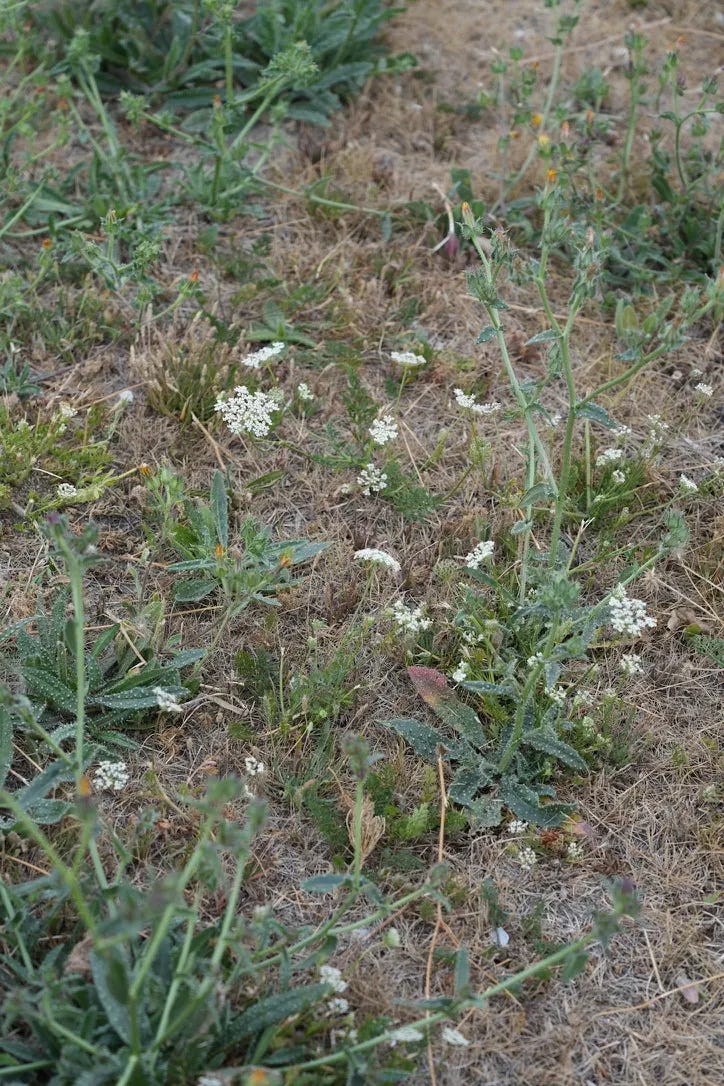
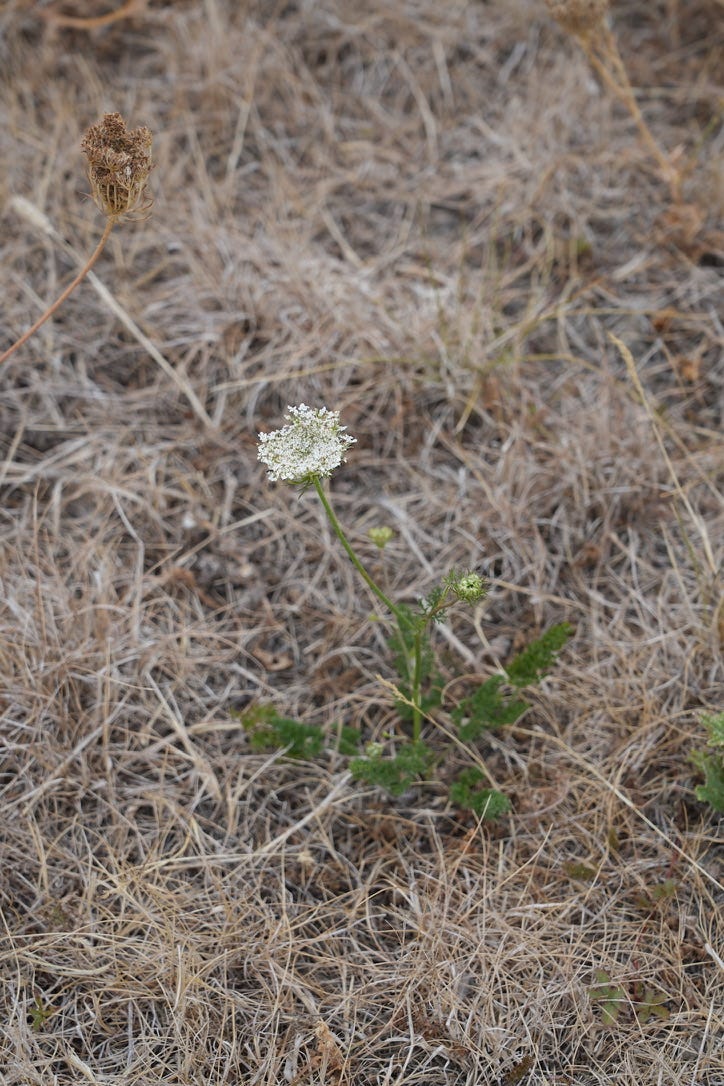
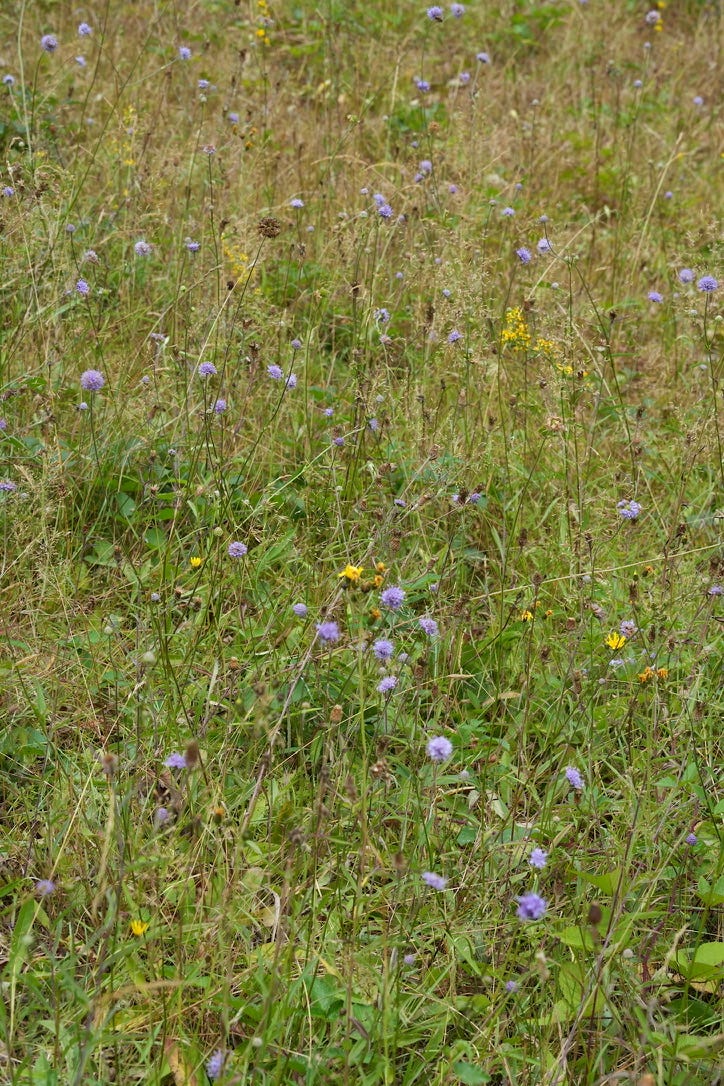
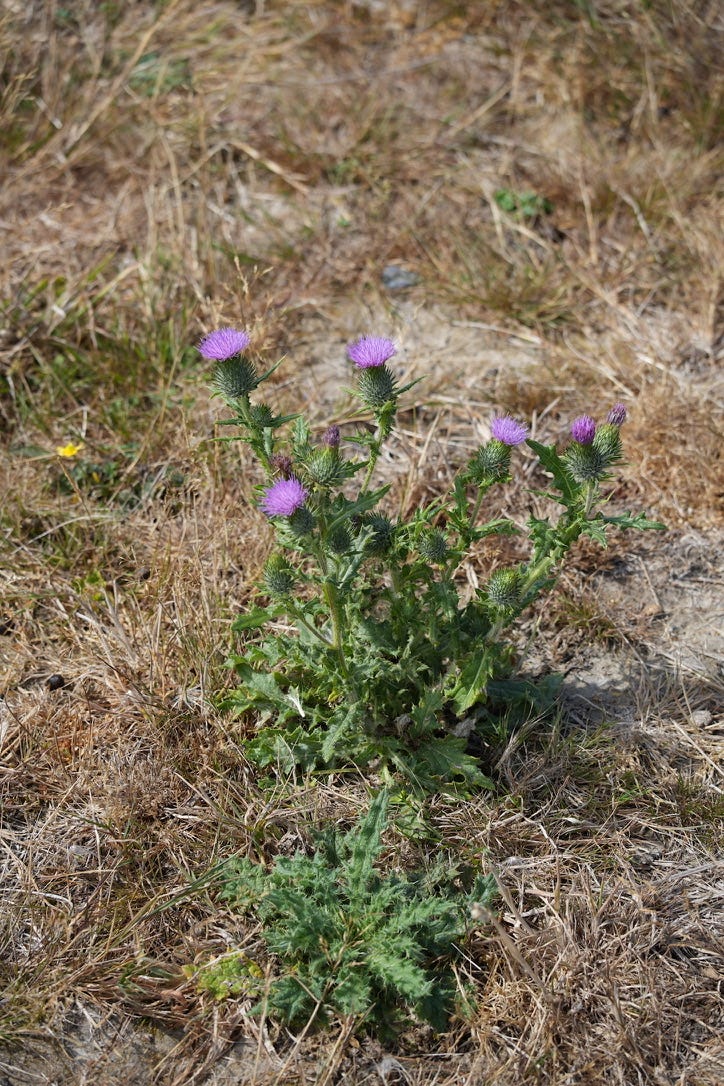
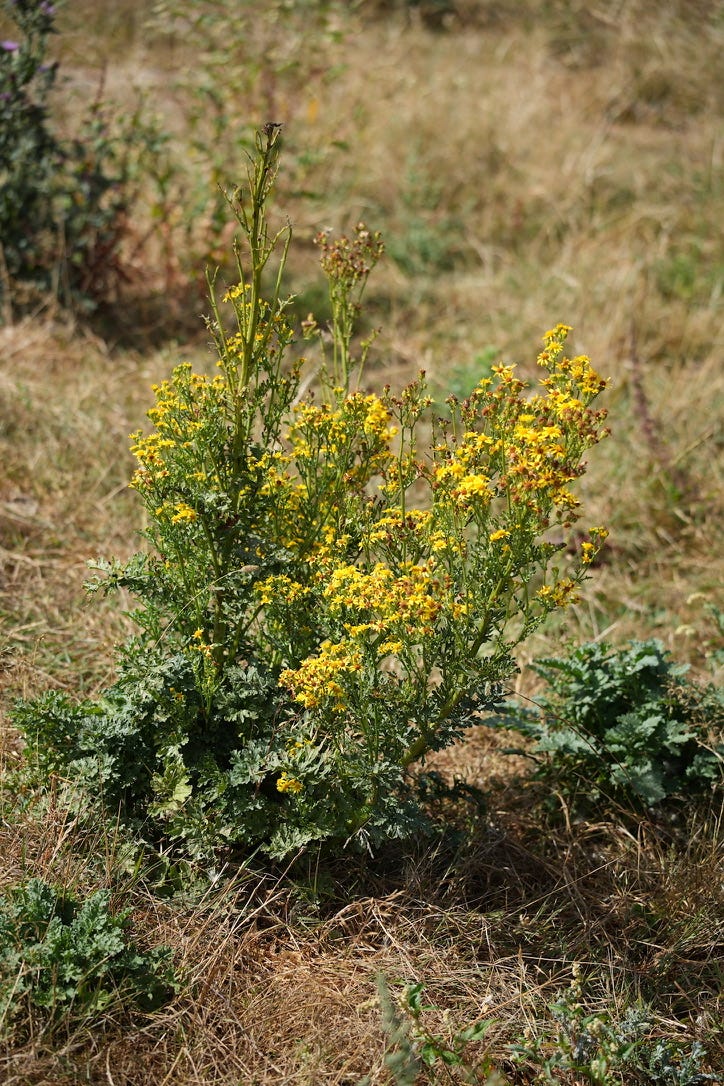
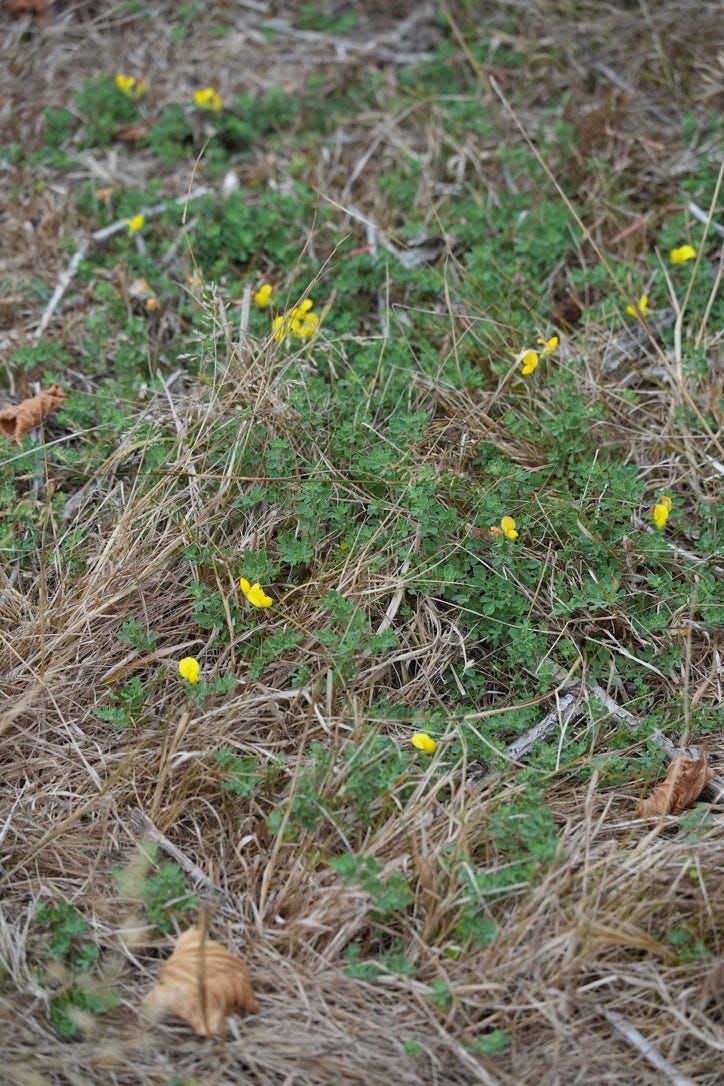
Many - not all - herbaceous plants are either thriving or surviving. I checked various soils from acid heaths to chalk downs, in full-sun grasslands to shaded woodlands, herbaceous plants are surviving. A number are actually thriving and flowering. Plants that would ordinarily have struggled but will no doubt spread and become more dominant in future hotter, drier summers. Of course, many of them are plants people don’t currently consider for gardens.
5) Still able to set seed
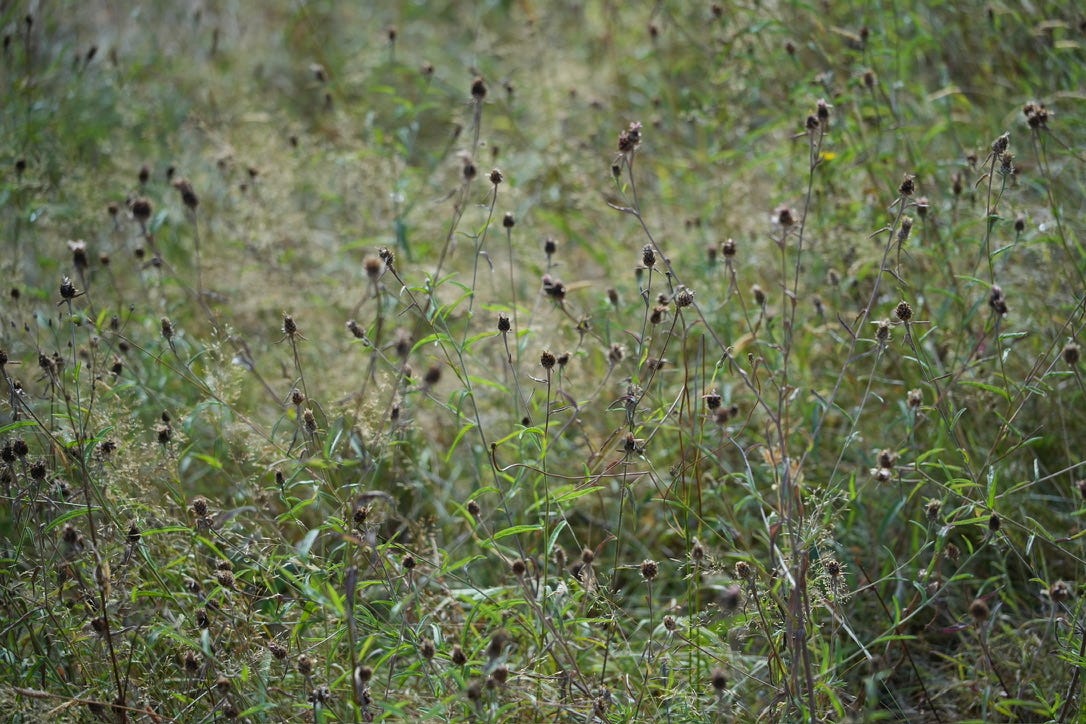
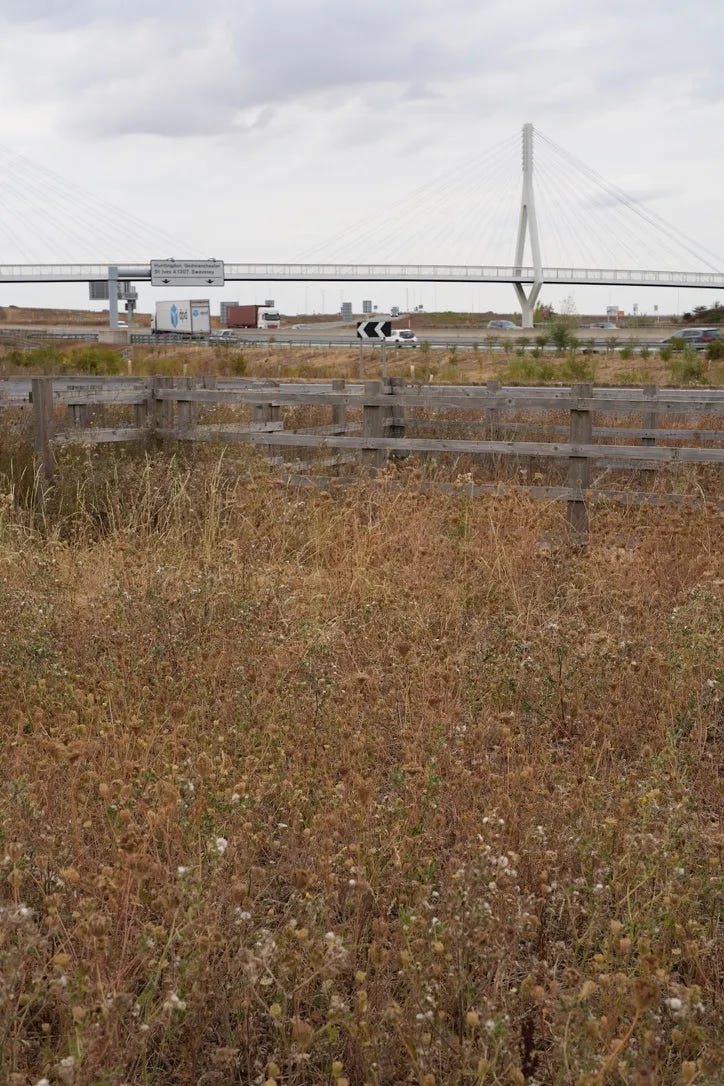
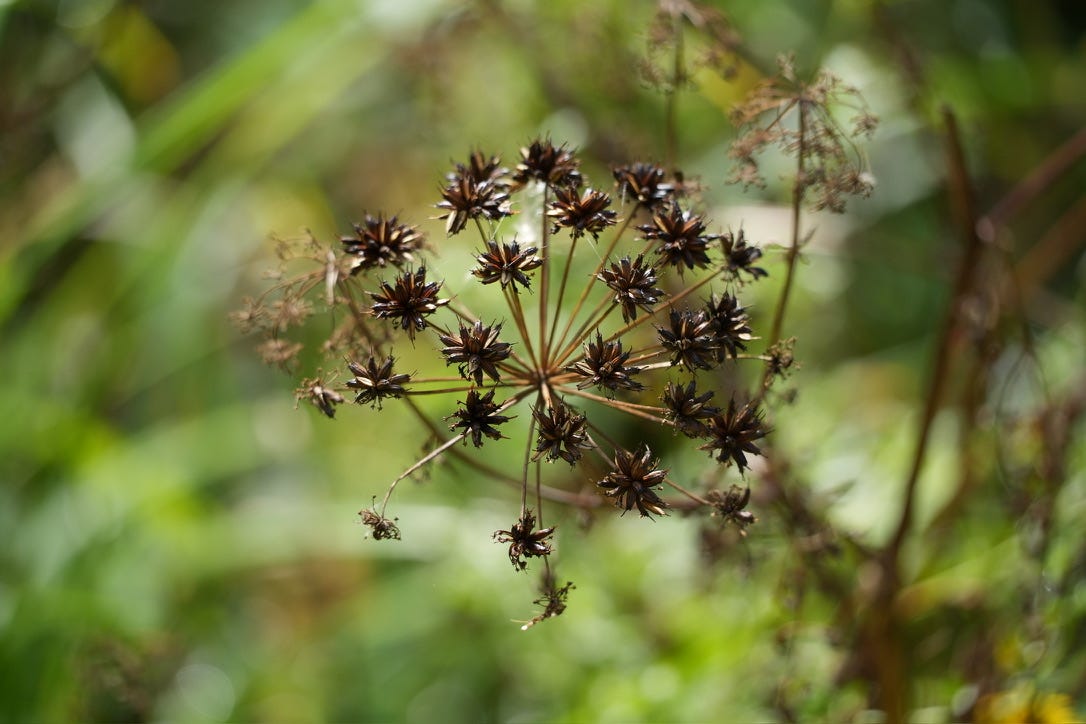
One of the most hopeful signs for plants is that they have managed to complete their life cycle and set seed. For some earlier than usual, for others bang on time. Despite the dry and hot spring and early summer, they powered through. Many wild plants in the UK grow in hotter, drier southern Europe demonstrating their adaptability and winter wet tolerance (southern Europe and around the Mediterranean can be very wet in winter!) The big positive of seeing everything from wild orchids to vetches setting seed is that ensures new generations and that’s where adaptations to climate change happen. Plant communities in the UK are going to change rapidly in the coming years with some plants proving more dominant than others. Many plants will probably be OK, some won’t and other wildlife will be the ones that bear the brunt of the changes.
6) Fruit
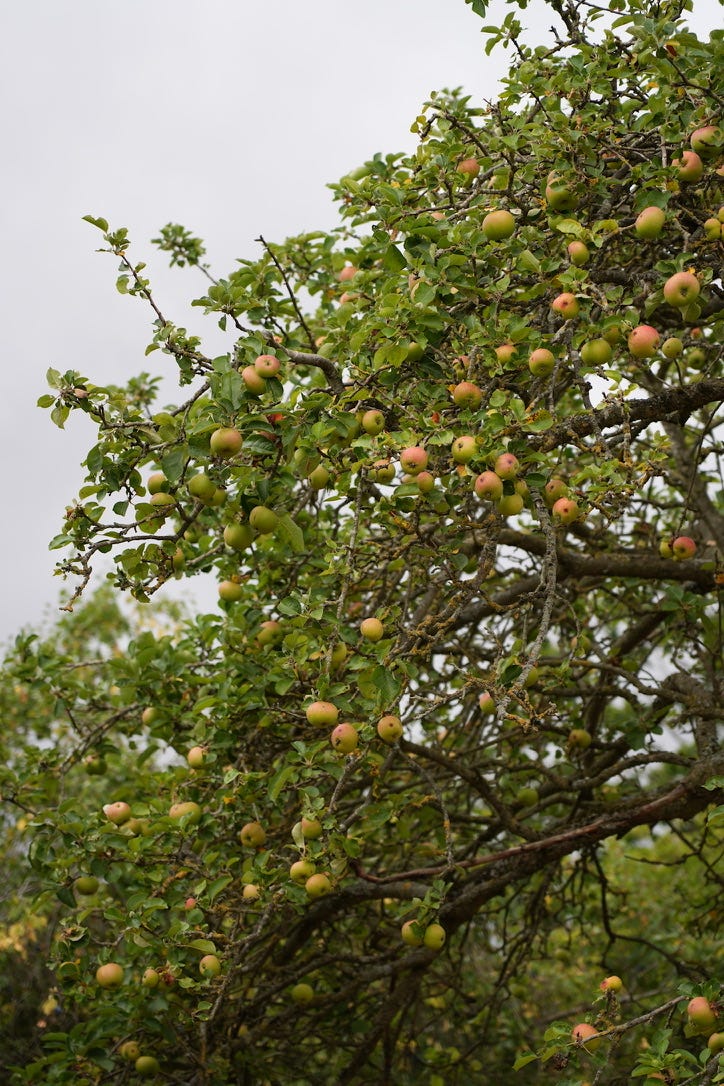
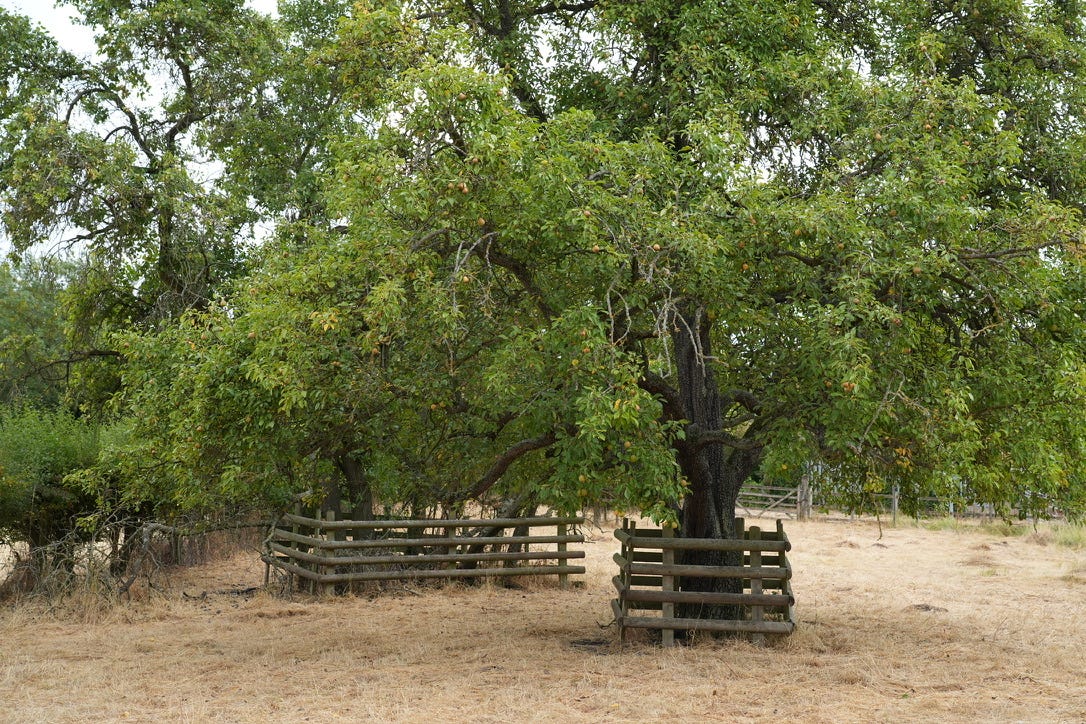
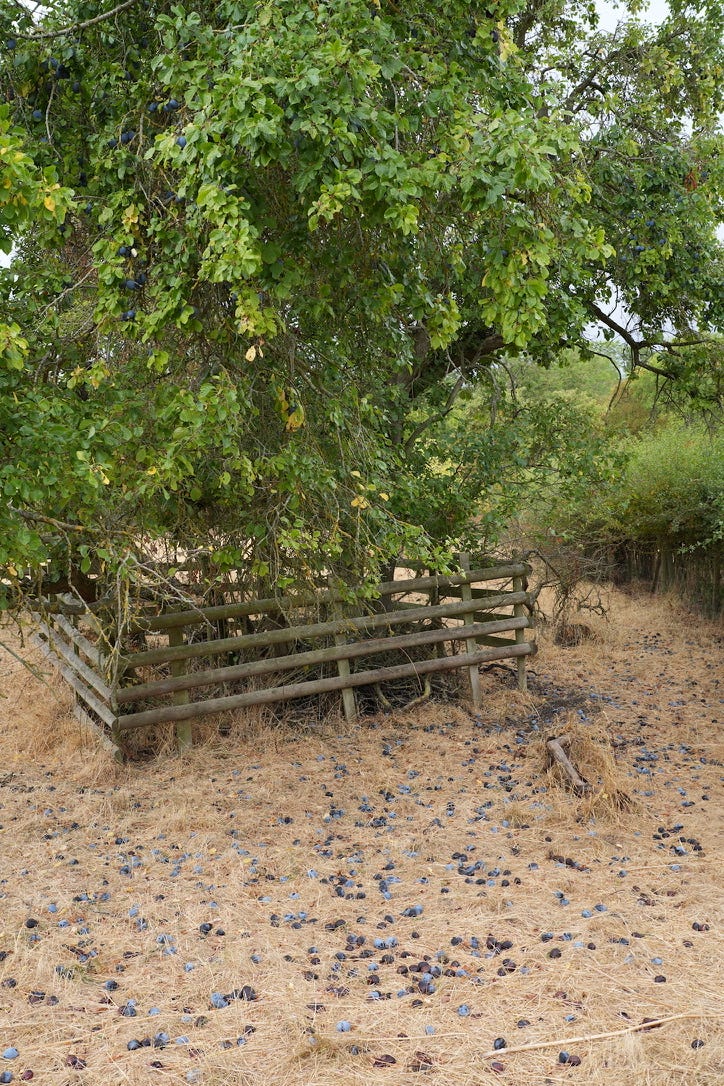
Fruit trees from our garden all the way down to the southern counties were stressed but cropping, albeit early with lots of fruit drop to conserve energy as a drought response. Some were starting to drop leaves but overall were proving more robust than I had expected. Fruit production tends to have a delayed effect where the year before matters to the amount and quality of the fruit in the next, time will tell.
7) Fruit for wildlife are far too early


Contributing to the autumn feel were the hips and berries in rich ripe colour. I watched as many were eaten happily by birds. Which is concerning for winter when birds and mammals rely on them, including birds arriving to spend winter in the UK.
8) Hedgerow resilience
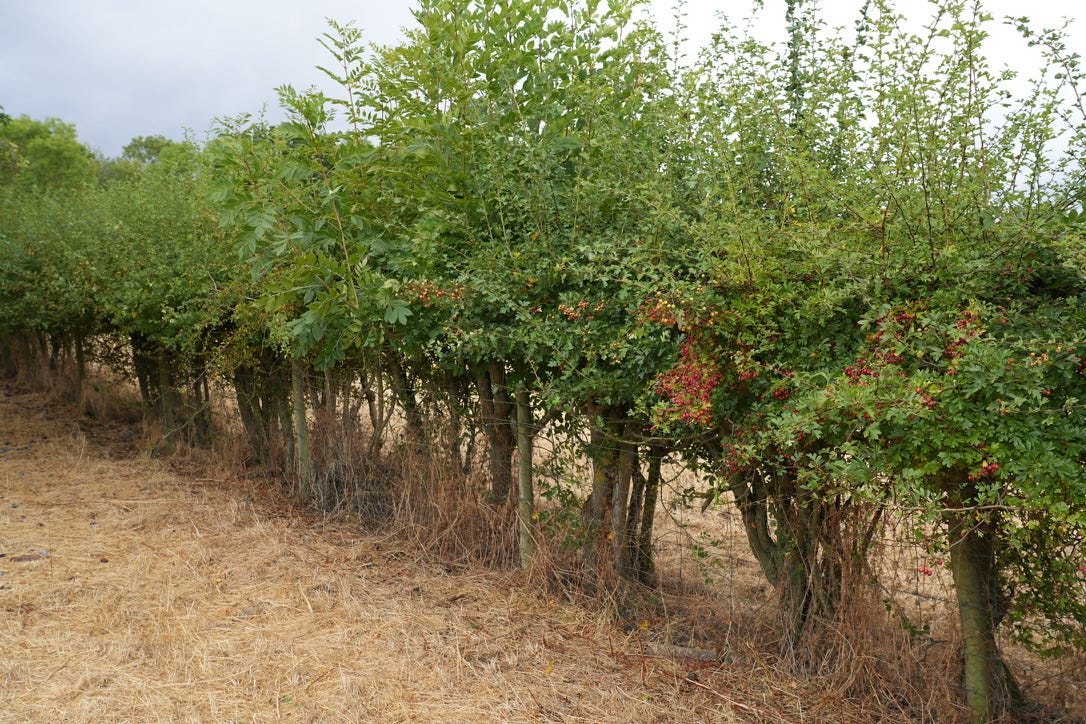
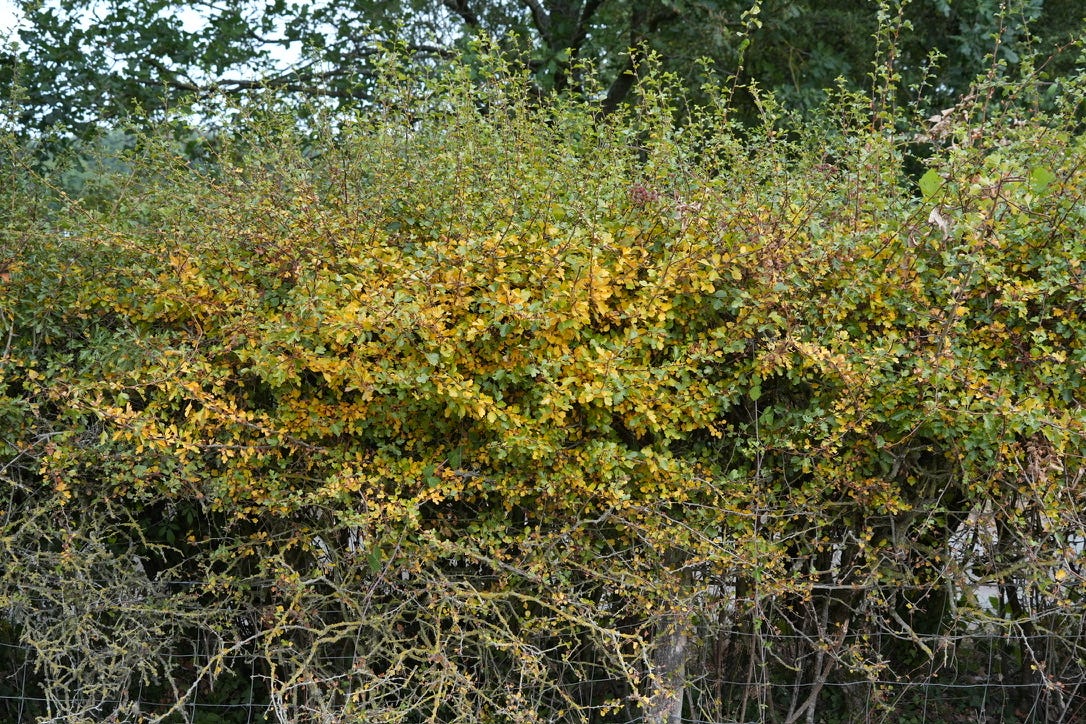
Alongside woodlands that were still green were the many miles of hedgerow. Across the country most are still hanging on and fruiting early, though down in the worst hit drought areas they are showing signs of leaf drop. But they’re not dead. UK farmers have removed miles of hedgerow, which was a mistake for various reasons including soil fertility. Restoring hedgerows is vital for us and wildlife and in gardens, replicating the habitat will be important going forward.
9) Patches of dieback
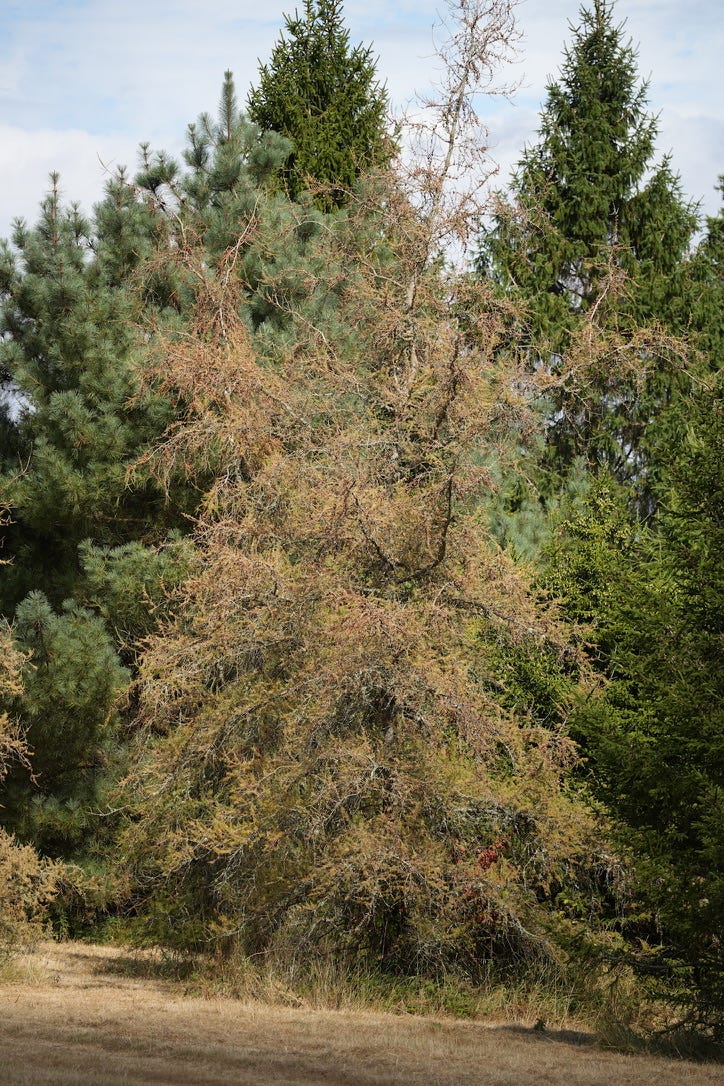
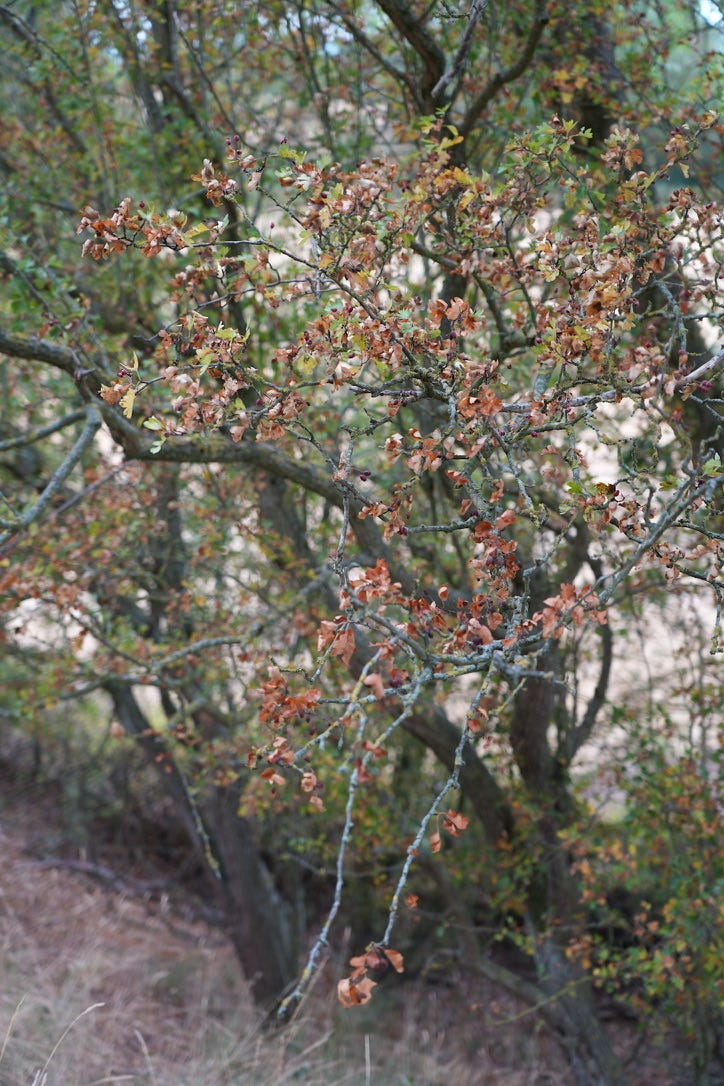
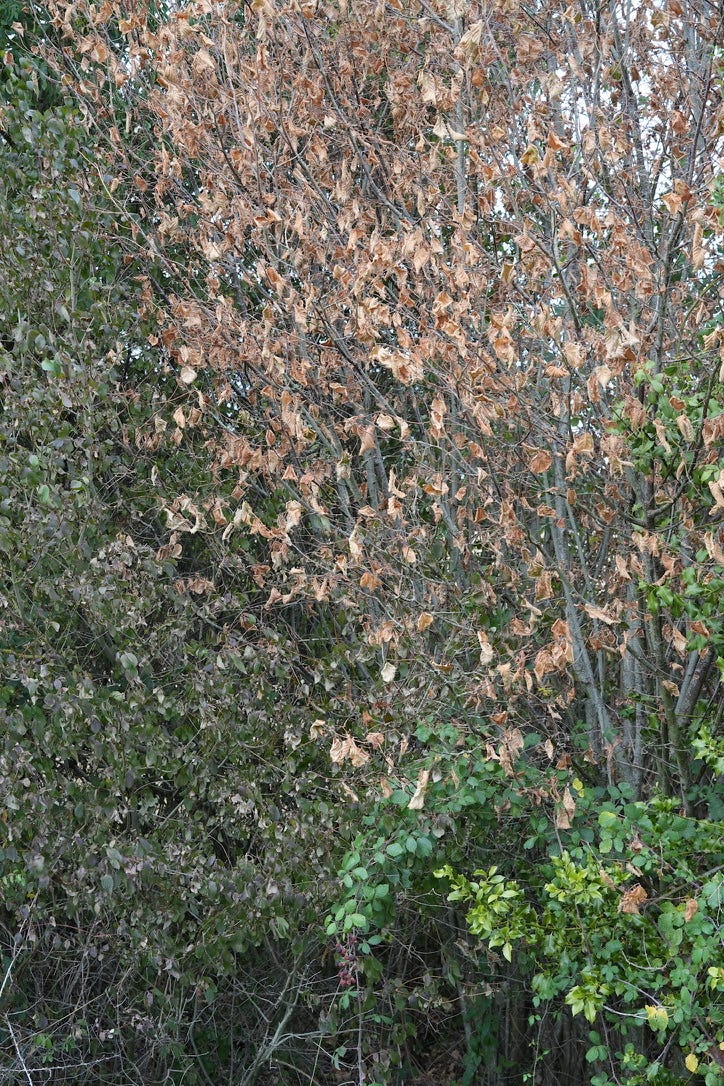
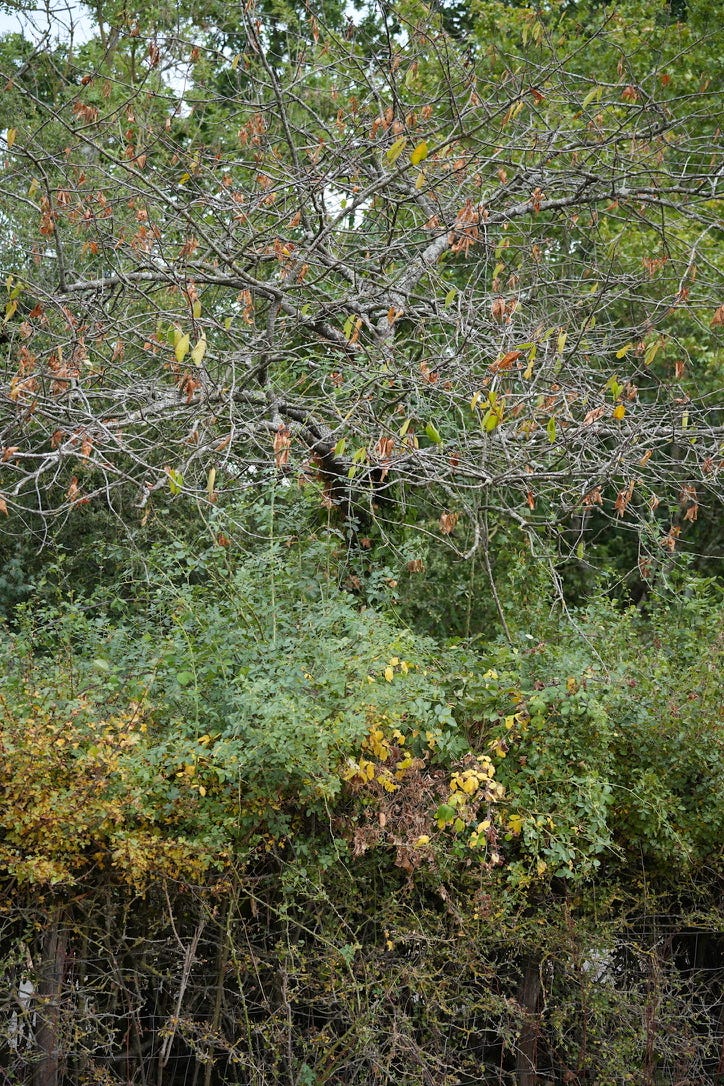
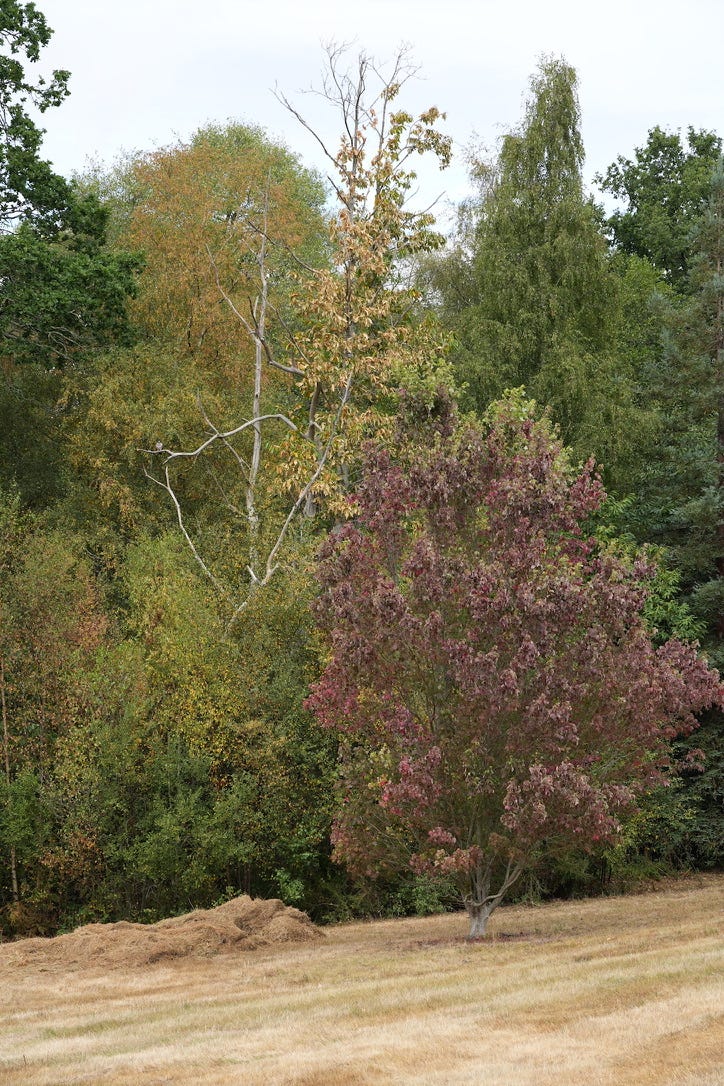
I don’t want to be misleading - overall, along 300 miles from north to south, I would say about 90% or more of the trees, shrubs and perennials I saw were only showing some signs of drought stress. They were surprisingly green and clinging on. There were however patches where dieback occured, but these sever symptoms so far seem to be the exception - I actually found it hard to find them to photograph. Isolated stands where clearly something else was also wrong. Perhaps shallower soil, particularly dense planting, unlucky with rain or something else. Those patches of dieback across the whole country however add up to a lot and it matters. Worst affected seemed to be the known trees that are less drought tolerant, the ones that show stress even in a normal hot summer: beech, cherry, rowan, elderflower and especially horse chestnut. I noticed most birch turning yellow and dropping some leaves but not much more than I see in most summers here in West Yorkshire. Elm, of which I only saw young trees, were also one of the worst affected and often completely leafless but it’s hard to tell if this is all drought or also part of elm disease.
10) Saplings fairing particularly well
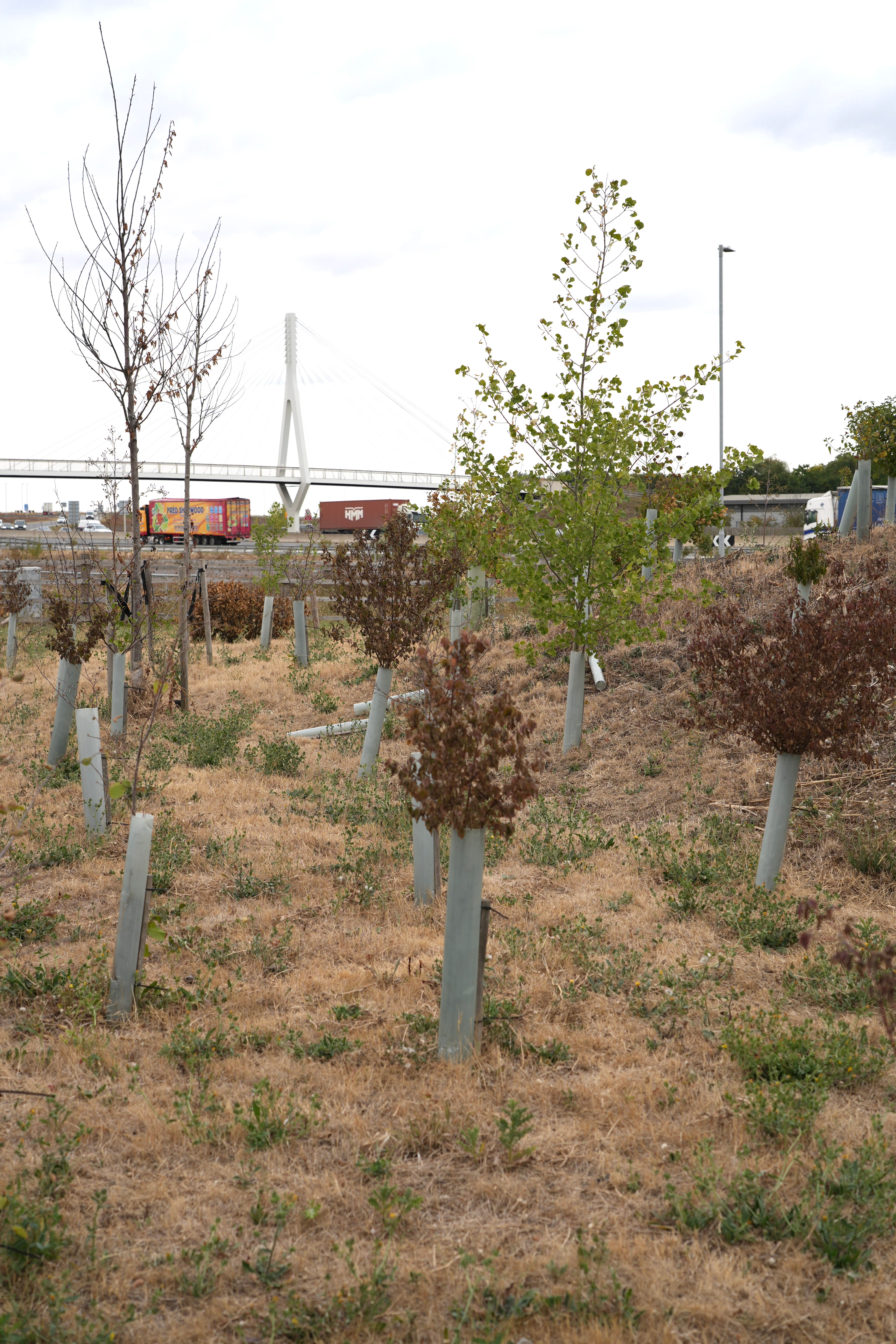
I was encouraged by how many young trees were clinging on all across the country. Along one stretch near Cambridge where the farmland and verge grasses were brown, most of the young saplings were surprisingly alive in a bone dry landscape. Even where they looked brown and dead, on closer inspection they were clinging on and will come back. Most deciduous trees have natural recovery mechanisms from dieback, which we exploit with pruning and coppicing. I suspect that many trees with branch dieback will recover from this year. In harsher years, who knows.
11) More plants are coping than expected
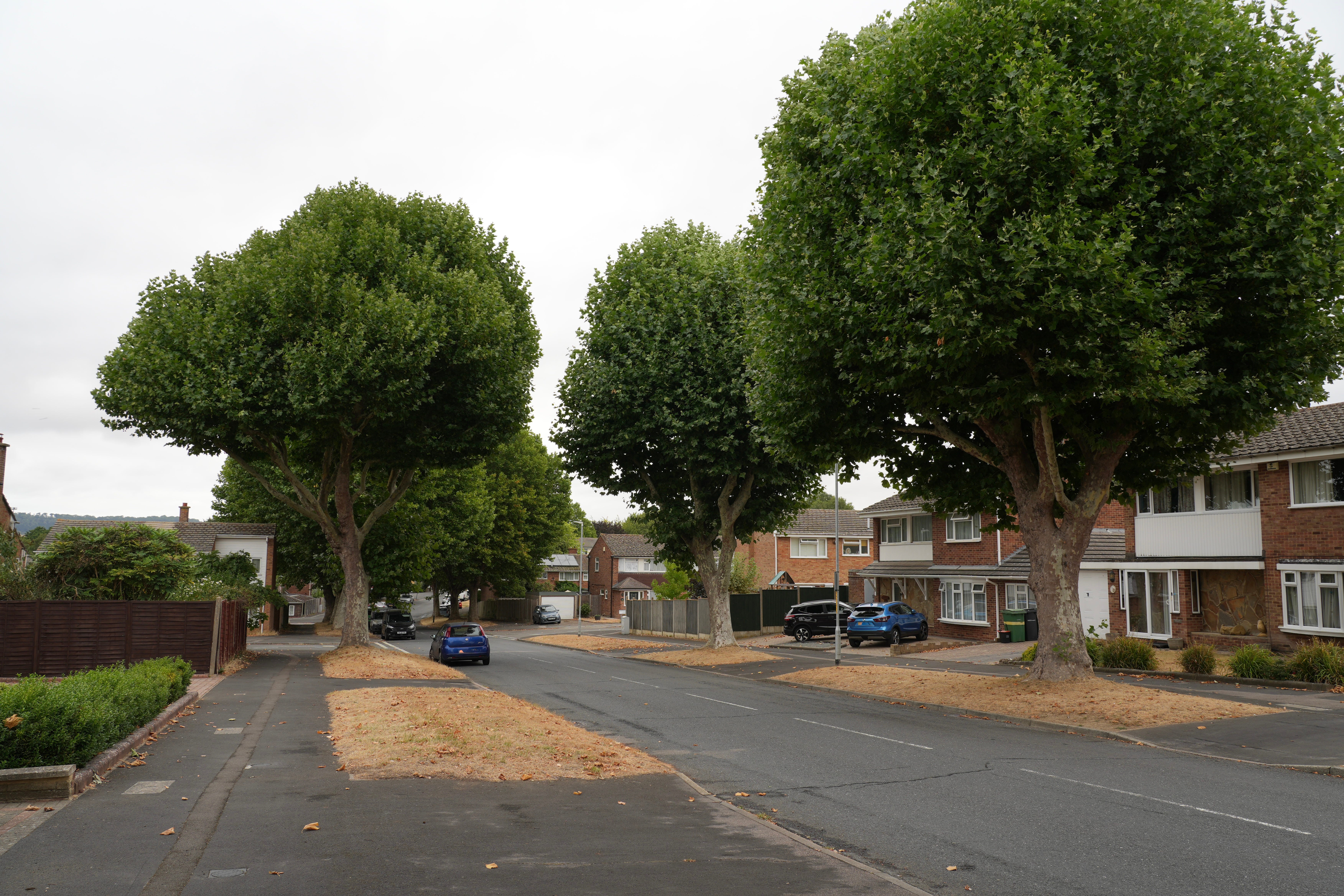
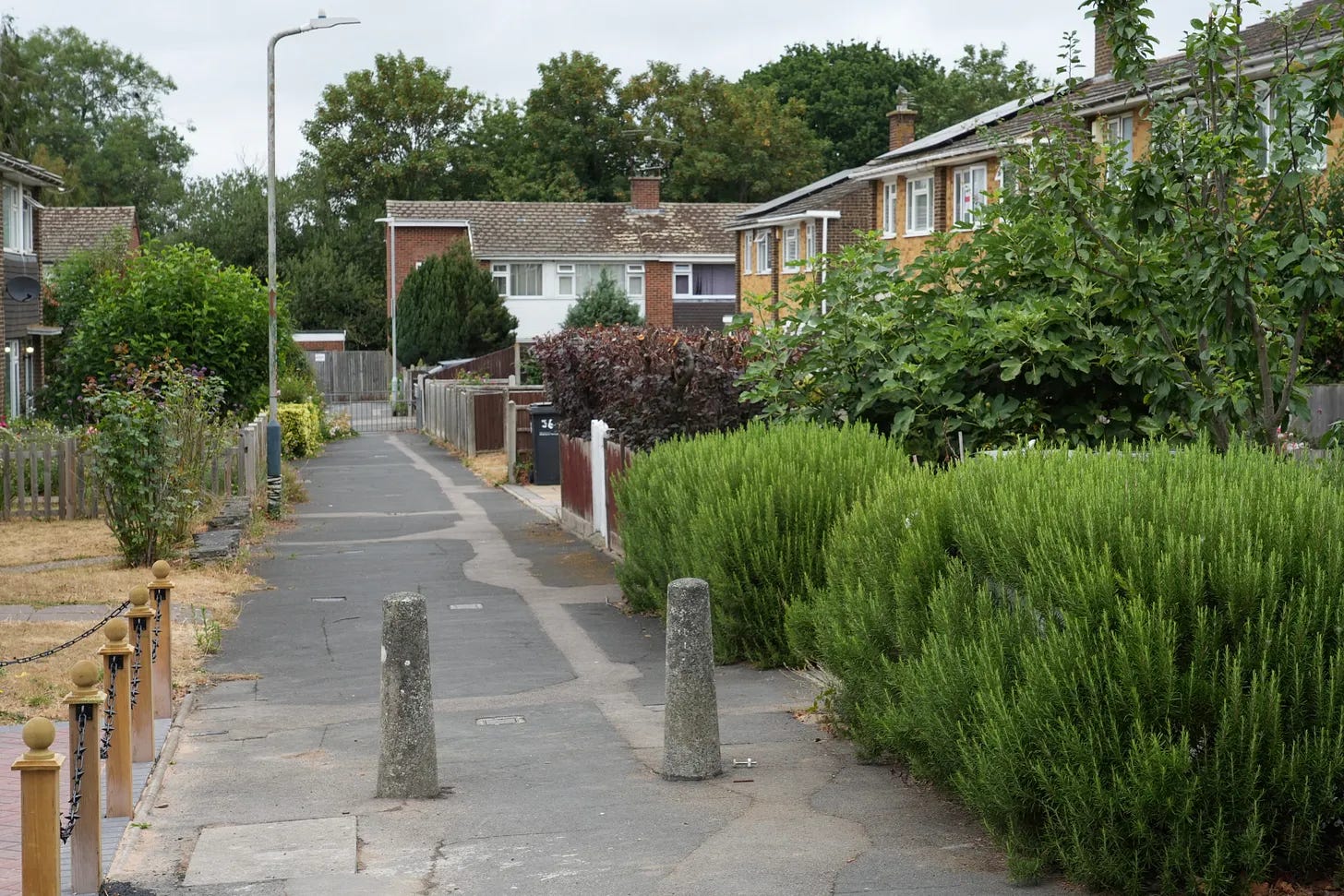
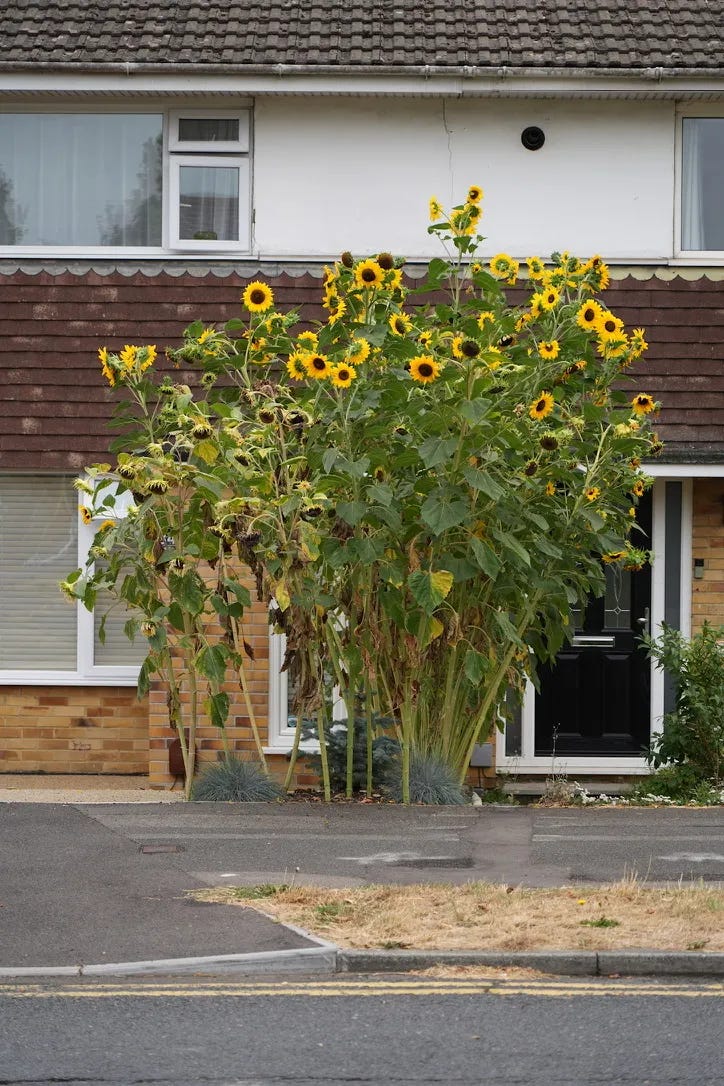
When I arrived at my main destination in west Kent, where my food forests are, I was shocked - in a good way. Streets and gardens were still green! Very green. Despite the fact last time I visited in May everything was suffering, that was before the summer heatwaves and drought. While the verges and lawns were dry, and some plants were suffering, including a rowan in a front garden. Tonnes of plants were perfectly happy. Some may have been watered but for most, I doubt it.
I started making a note of plants that were either thriving or surviving and in the end I gave up as the list was actually ‘most plants’: Fig, Monkey puzzle, Plane trees, Thuja, Passion flower, Choisya, Trachelospermum, Jasminum, Rosemary, Wisteria, All fruit trees, Olive, Rosemary, Ivies, Sambucus, Salvia, Viburnum tinus, Dandelion, Nandina, Buddleia, Fuchsia, Field bindweed, Weedy solanums, Achillea, Potentilla, Cotinus purple, Weigela, Pyracantha. I noted Lagerstromia and Campsis were thriving so much they were ultra-floriferous. These kind of traditional edge plants that love a hotter summer will no doubt become more popular.
(If you’re interested I cover drought and climate change resilient crops in Grower Gatherer).
12) Targeted watering is transformative
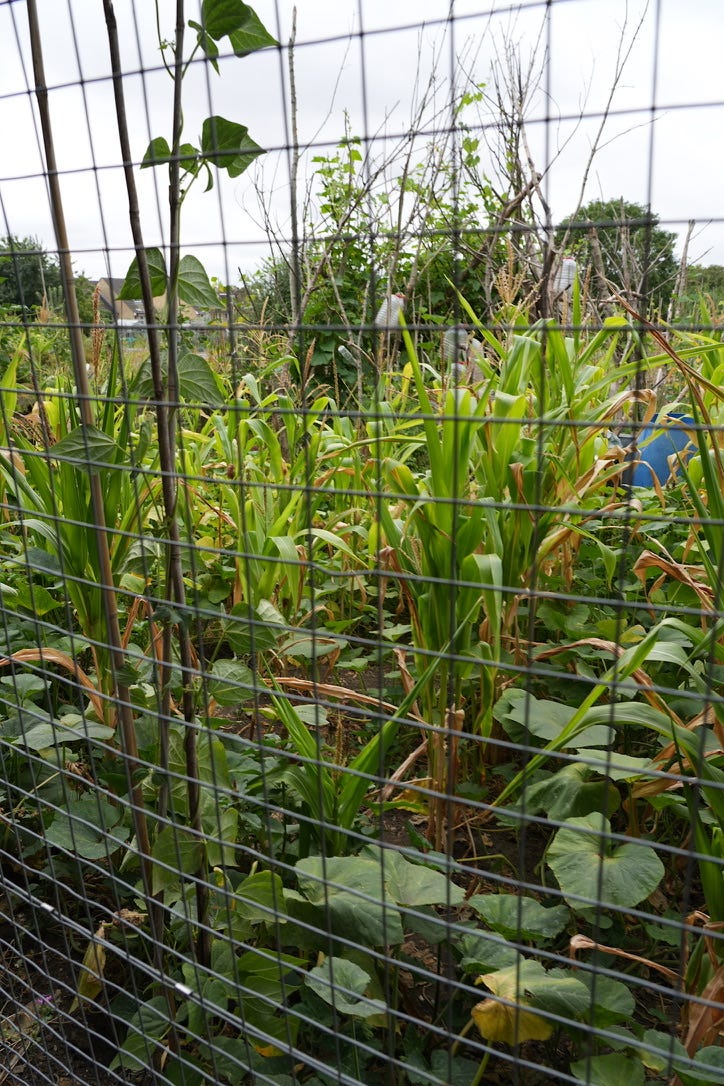
When it comes to watering gardens, we all need to be efficient with our use but it doesn’t mean we can’t water at all. There is a strong case for watering food crops by hand and for new plants not yet fully established. For everything else - and for some food crops - I would suggest it’s better to plant stuff that does not need watering, even if in the worst heatwaves they can go crispy a little or go dormant. Forgoing some of our desire for aesthetically perfect gardens during those moments.
Part of the problem with British gardens is that we’ve all been pushed many plants that require quite a lot of water. We haven’t had to worry about drought tolerance until now. Yet there are plenty of plants that can tolerate our wet winters that do not need much water in summers - and don’t need extra drainage! This is where I believe our attention should be focussed. One of the reason my designs generally handle dry, hot summers well is because I have always chosen plants that once established do not need watering (plant selection varies by region). If your garden crisped up completely this summer, my advice is see it as a fresh start and begin planning plants that are more drought tolerant.
Even if the water companies were perfect and not pouring all of our water away with broken pipes, while pouring our money into shareholders pockets, it is still sensible to grow more drought tolerant plants (including food crops) and to collect more rainwater. In drought we need all mains water to go to essential services such as farmers and other food growers, otherwise, on drier years when reservoirs are low, the water is pulled from rivers affecting wildlife. In our garden we can collect enough water for food crops, and even small gardens can store water appropriate for the size. Again, it’s about getting over our aesthetic egos and working a way for tanks to fit in.
Focus on planting that doesn’t need watering, collect rainwater for a small area of plants that are essential.
13) Shade
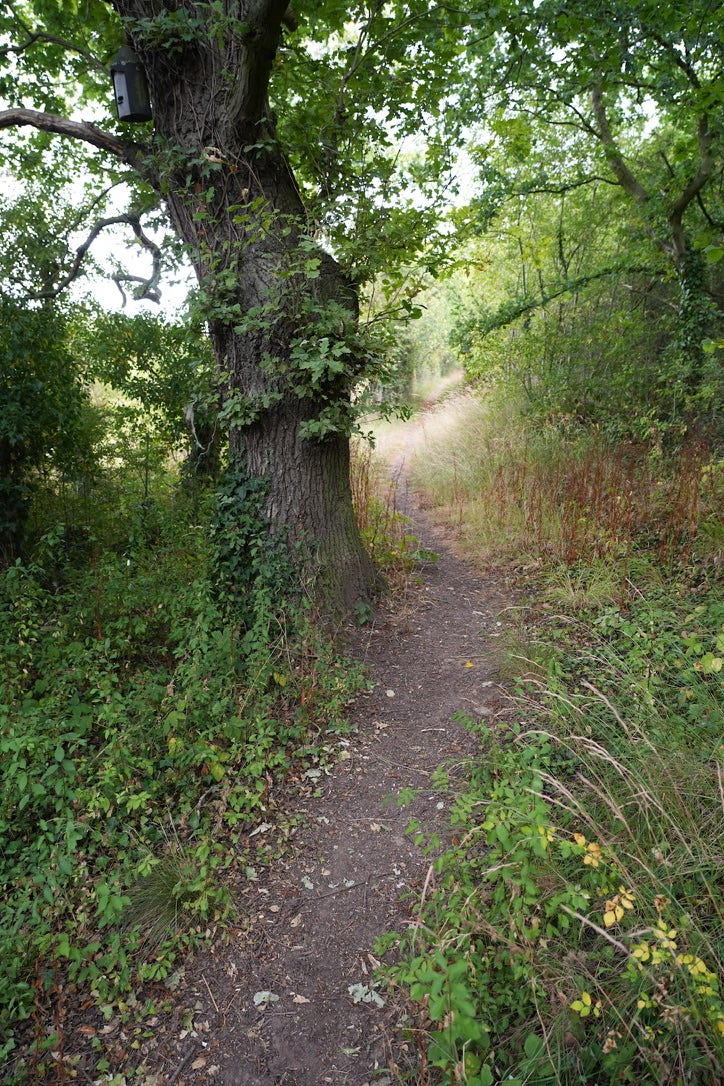
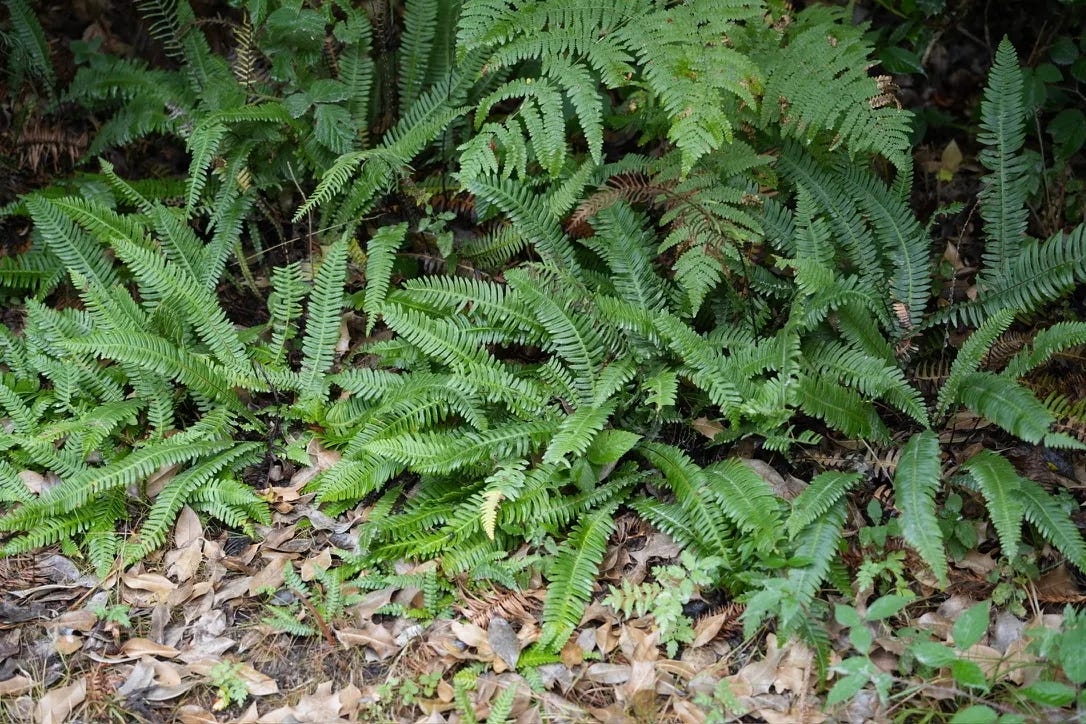
Plants in shade are proving particularly resilient - I guess in deciduous woodland they are used to a dry summer because trees drink up all the water, and the shade of the trees protect them from the sun. We need to learn from this, shade is one of the biggest lessons I am taking away from this summer. Not necessarily full shade, there are varying degrees of shade such as dappled or part.
14) Protect the rivers
I drove away from the first nature reserve I stopped at in Nottinghamshire because it was at river level and all of the plants were lush, thriving and with no impact from the drought or heatwaves. I wish I’d taken a photo because it was one of the biggest lessons. Our water networks have never been so important as they are as we head into a warmed climate. Water is the life source for all wildlife. Adding ponds, cleaning rivers. These were already a priority but they have to jump up the list when everywhere else can be bone dry in summer.
15) We need to rethink our landscape
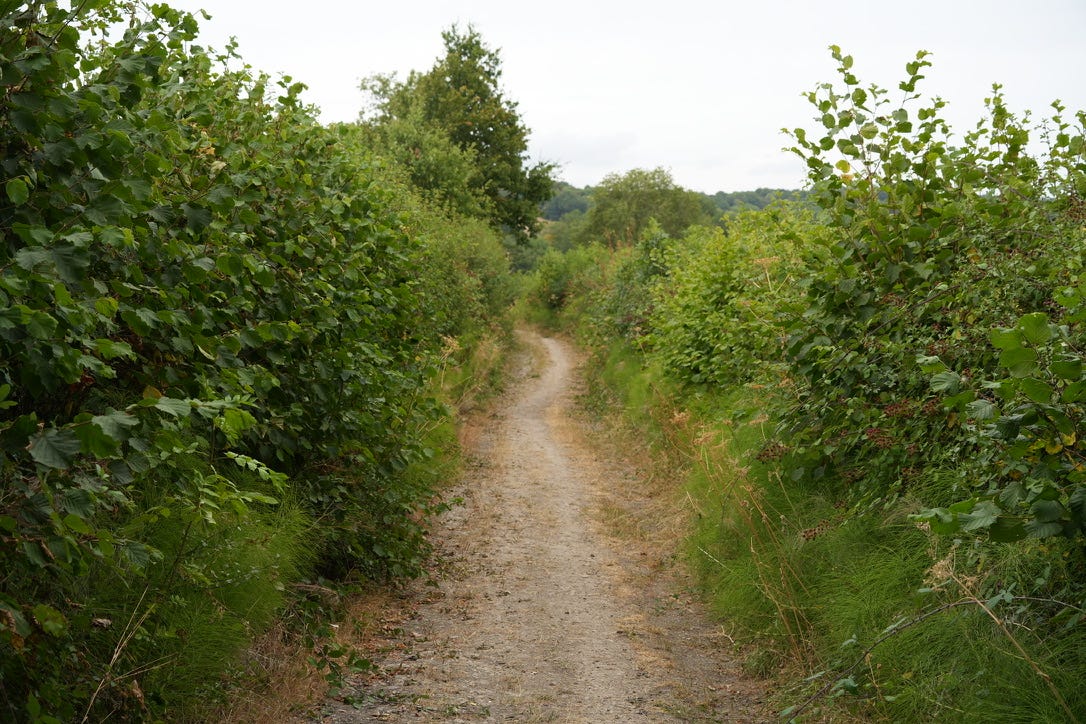
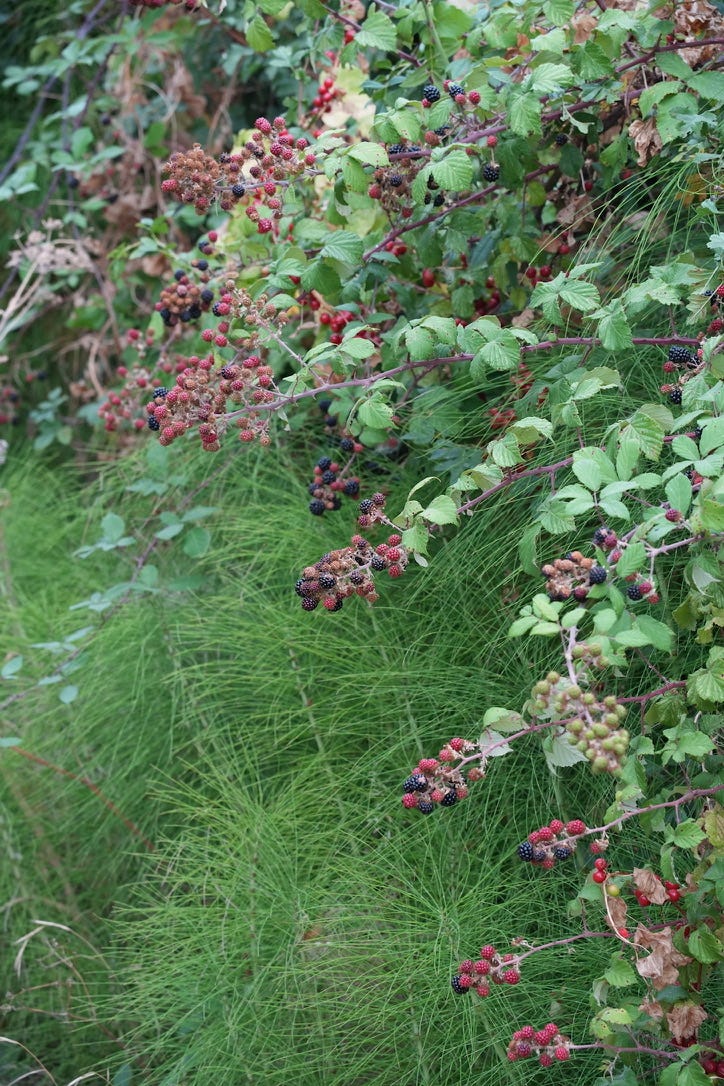
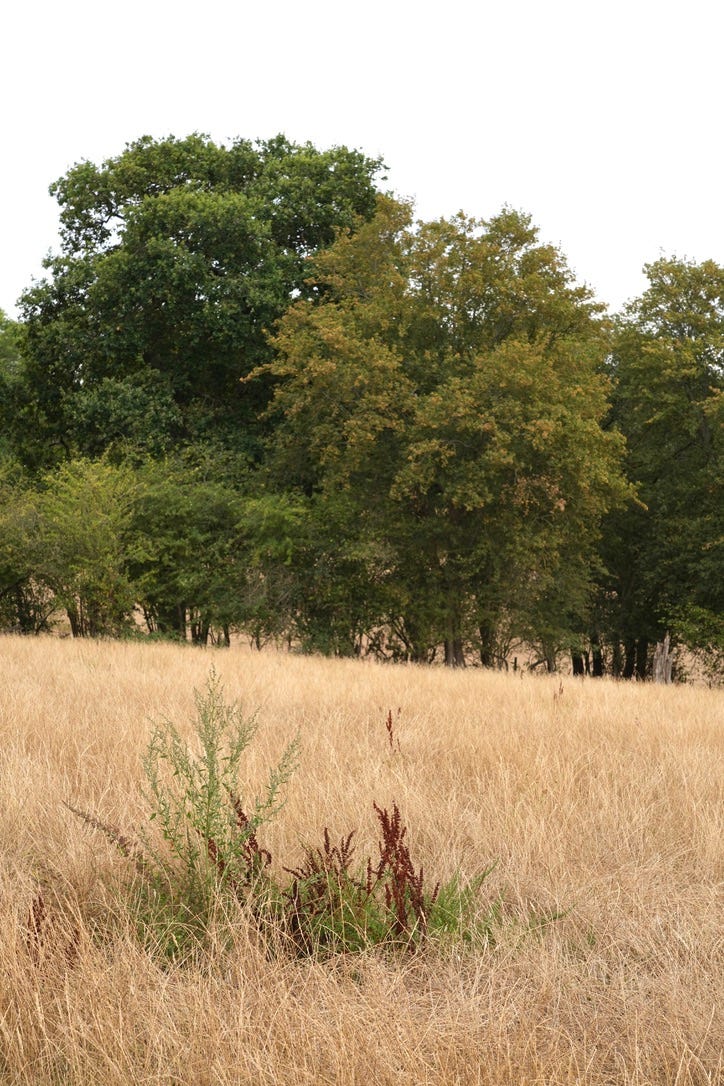
On my trip I went out looking to capture and show what I had assumed would be a devastated landscape. It is devastated but there is hope, there is life. On one long walk in Kent one evening, I walked through browned fields that, when I rootled around in the grasses, were full of green waiting for rain. I saw bees and other insects flying to the thriving wildflowers still in bloom. And when I entered the woodlands and hedgerows, more plants were still green than brown. After prolonged drought all spring and summer and five heatwaves, I was amazed.
Final thought
As a gardener I often have people ask me “Is this plant dead?” pointing to a spent flower or brown leaf on an otherwise perfectly healthy plant sending up new shoots. They want me to say “yes, buy another one” but I won’t. I tell them to cut off the flower stem or leaf, care for it and it will reward them with new growth.
Nature has been pummelled this summer because of our use of fossil fuels and habitat destruction that are both accelerating global warming. There is hope in the way plants are responding but there is also horror in the loss of wildlife that cannot survive these harsh conditions. One post by the Wildlife Trusts today tells the story of a rare plant that has died and I mourn the plant and the insects dependent on it.
We have to learn everything we can from 2026 because this is our future to come over the next decade and worse beyond that. It’s hard not to panic but we have to retain level heads to not rush into making mistakes. Spend the rest of this year observing, listening to one another and making notes. See what is surviving or thriving. Take time to see what happens as the plants recover in the rain but potentially also show the true impacts next year.
Most of all, keep asking our Government to speed up the move away from fossil fuels and the restoration of nature. Our world is going to get hotter for decades no matter what we now do, how hot depends on how fast we act.

Oh Jack, this gives me hope. Such a great informative post. I just wish those in the mainstream media would talk about this. Thank you for sharing all this wonderful information