

Aestivation, quiescence, ephemeral, tolerator, escaper
Five evolutionary strategies plants use to cope with harsh conditions
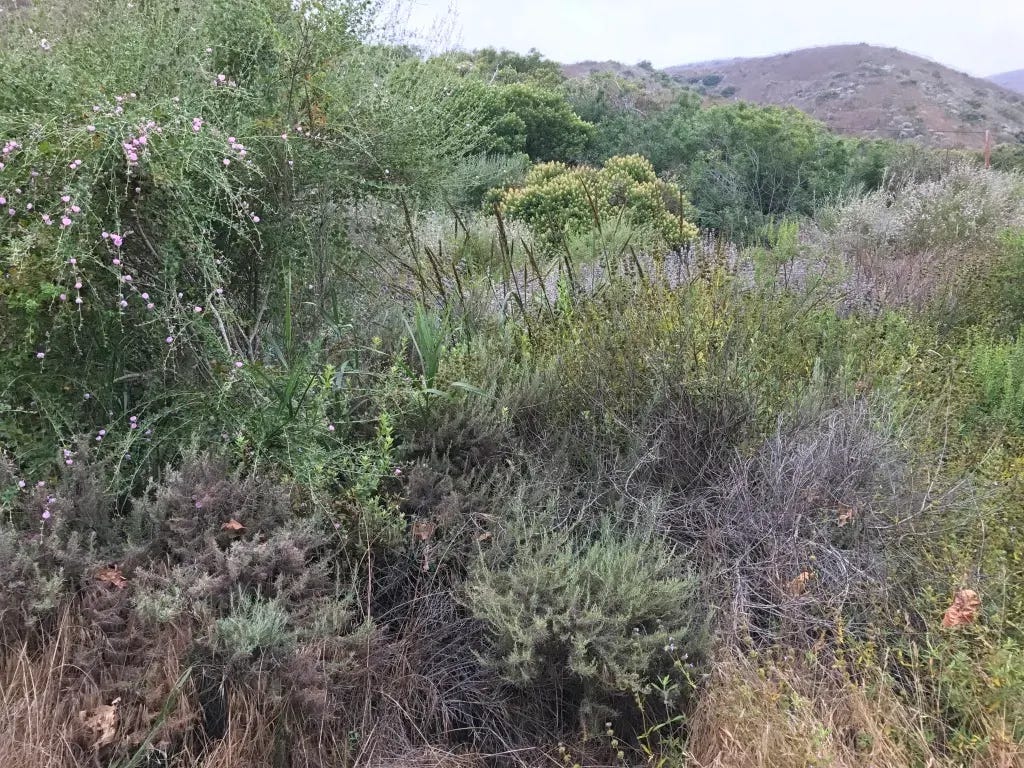
This year I’ve been giving summer dormancy in gardens a lot of thought because of the heatwaves and drought affecting areas of southern and eastern UK. I’ve always been aware of summer dormancy when studying plants in more arid parts of the world on trips to California, Nevada, Spain, France, Portugal, Italy, Australia, Morocco and Egypt.
As the Earth continues to warm, here in the UK and across Europe, we will need to employ various strategies in gardens and on farms to produce food and keep wildlife alive. When thinking about resilient future gardens I start by applying the Wild Way lens and look to what happens in comparable wild places.
For the UK, especially the south, over the coming decades our climate is heading toward that of southern France. With summers that are dry and hot it’s hard to keep gardens looking lush and we may have to explore dormant gardens with new peaks of flower and produce in spring and autumn instead. Alongside other options to help wildlife.
This has led me to consider strategies plants employ to avoid growing in hot, dry summers. Something the UK hasn’t really had to contend with, until now...
Aestivation
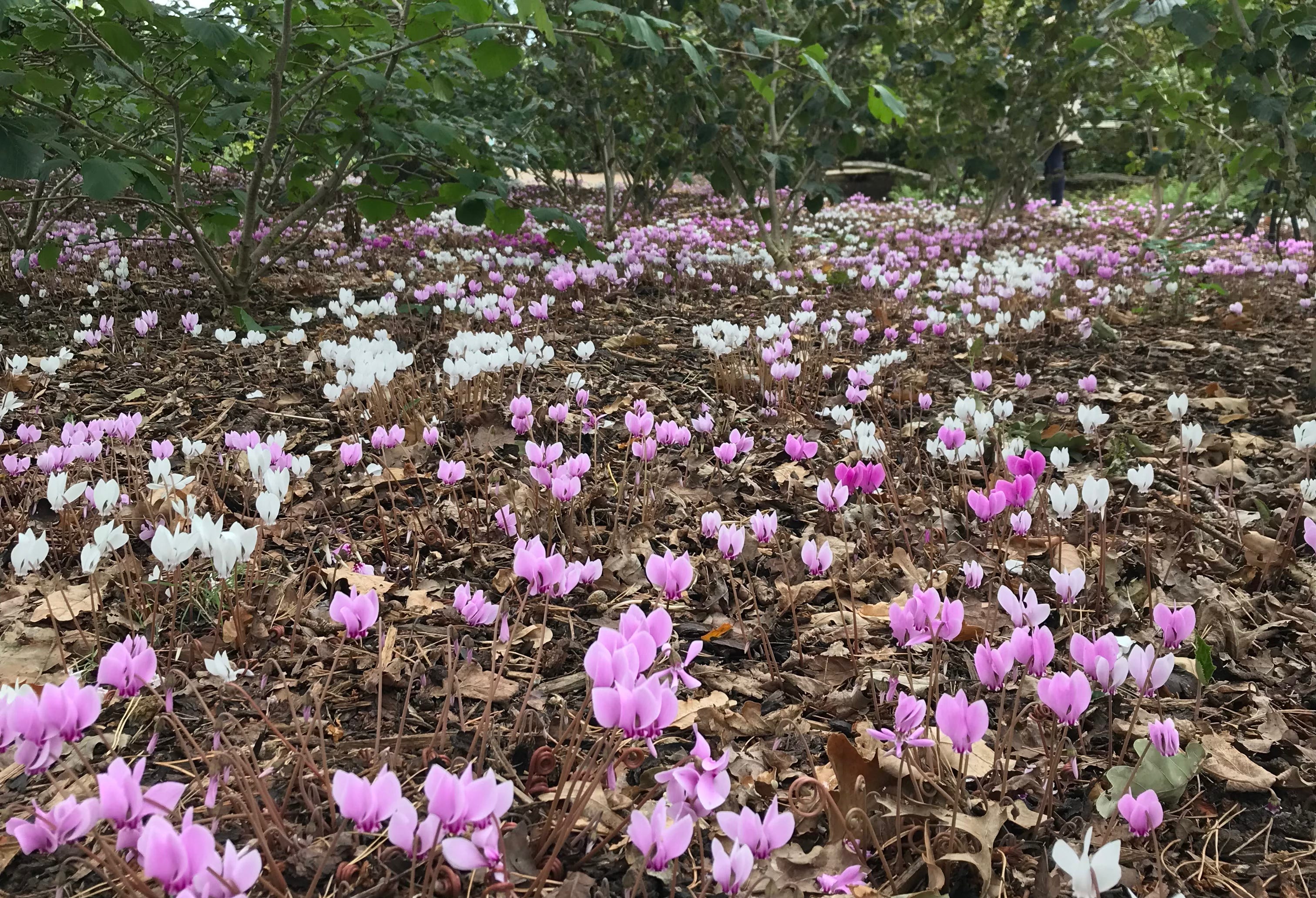
Aestivation is a form of summer dormancy when plants retreat underground to survive the hot, dry season. Unlike plants that pause growth, aestivators have evolved a rhythm to grow in cooler months and go dormant through summer - the opposite of winter dormancy. The exact triggers vary by species and include day length, drought and heat. A well known example are cyclamen, which grow leaves and flowers in the wetter, cooler seasons before disappearing below ground in summer. There aren’t many native plants in the UK that aestivate because until now summers have been mild with reliable rainfall. Babington leeks are a good edible example with other members of the allium family following a similar strategy. Many more plants native to drier, hotter regions aestivate and it’s these we should look to for our future gardens. (Thank you Stella Harding for teaching me this word).
Quiescence
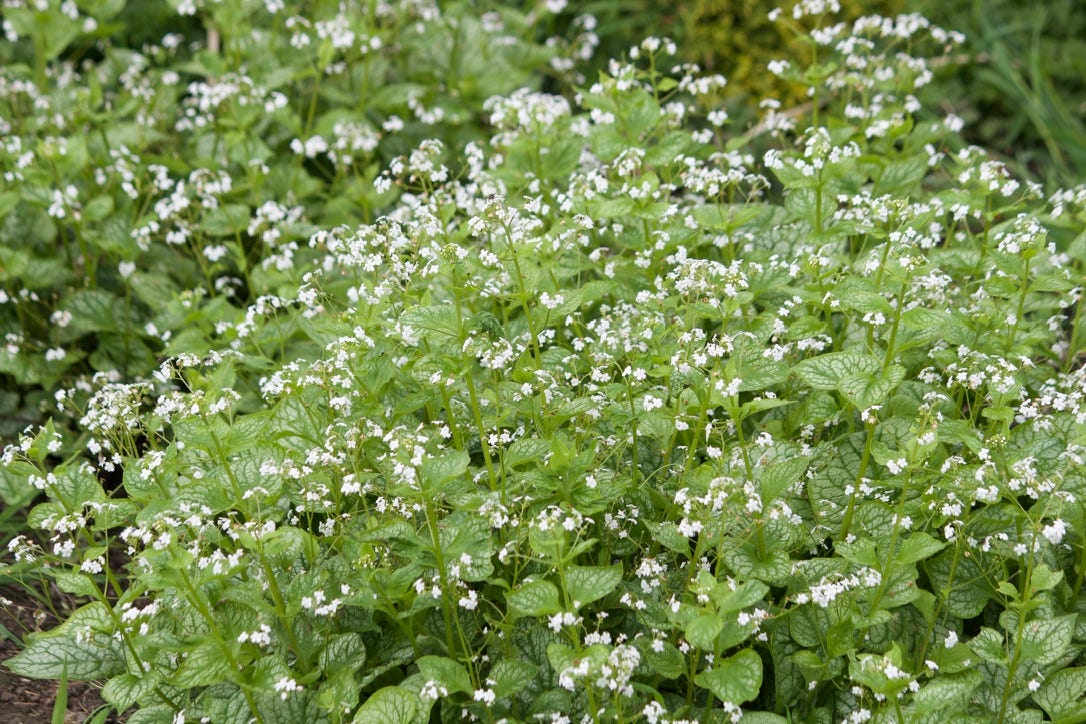
Rather than going completely dormant, some perennials quiesce, which means they temporarily pause growth. Unlike dormancy, which is an evolved behaviour, quiescence is in response to the environmental conditions. They begin growing again when conditions improve. It applies to summer and winter, whenever conditions aren’t optimal to growth for that species. An example in UK gardens are Brunnera and Hosta, which may stop growing in hot dry periods of summer, before growing new leaves again as the conditions improve. In very hot weather this can cause leaves to crisp up and wither but they are not in true dormancy, they just aren’t growing. An edible perennial example is sorrel, Rumex acetosa, which has similar behaviour, stopping growth before resuming in cooler, wetter conditions.
Ephemeral
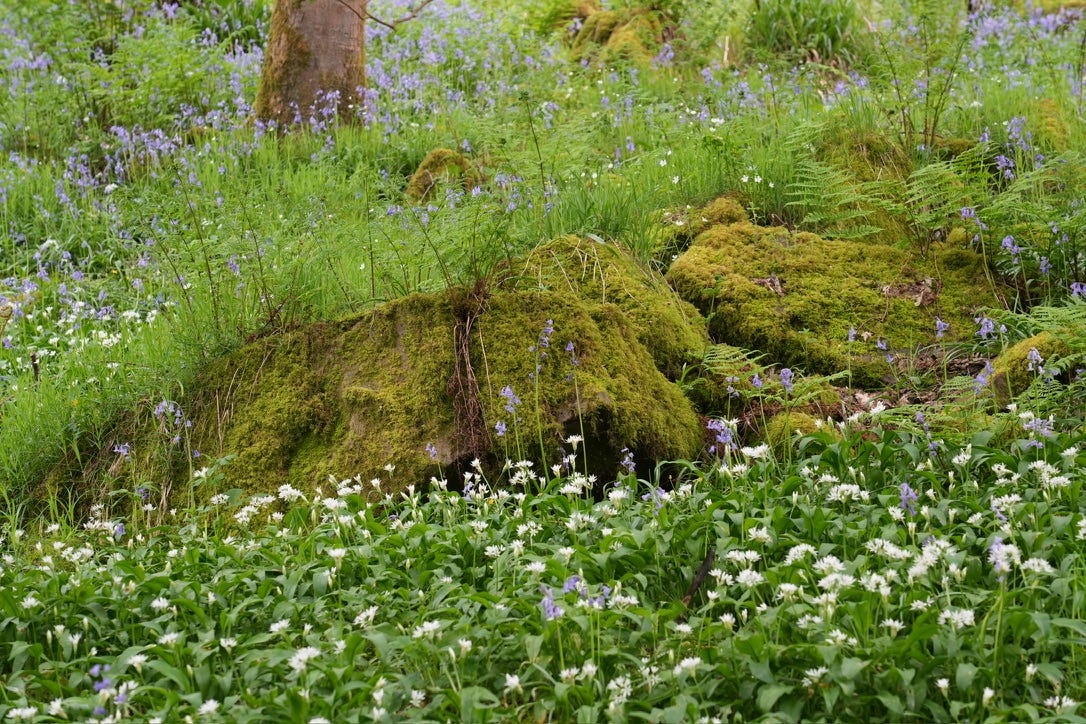
An ephemeral is a plant that has evolved a short growth cycle to make the most of windows of ideal conditions. Good examples in the UK are spring ephemeral woodland flowers including Anemone nemerosa, bluebells, Hyacinthoides non-scripta, and wild garlic, Allium ursinum. Thriving beneath deciduous trees, they grow, flower and set seed in late-winter to spring before the canopy becomes dense blocking light. By early summer they have already stored enough energy for next year in bulbs and rhizomes. In this case their summer dormancy has evolved because of summer shade, but they can tolerate drought as a consequence. Around the world there are many spring ephemeral plants that make the most of brief periods of ideal conditions before retreating until the next.
Drought tolerators
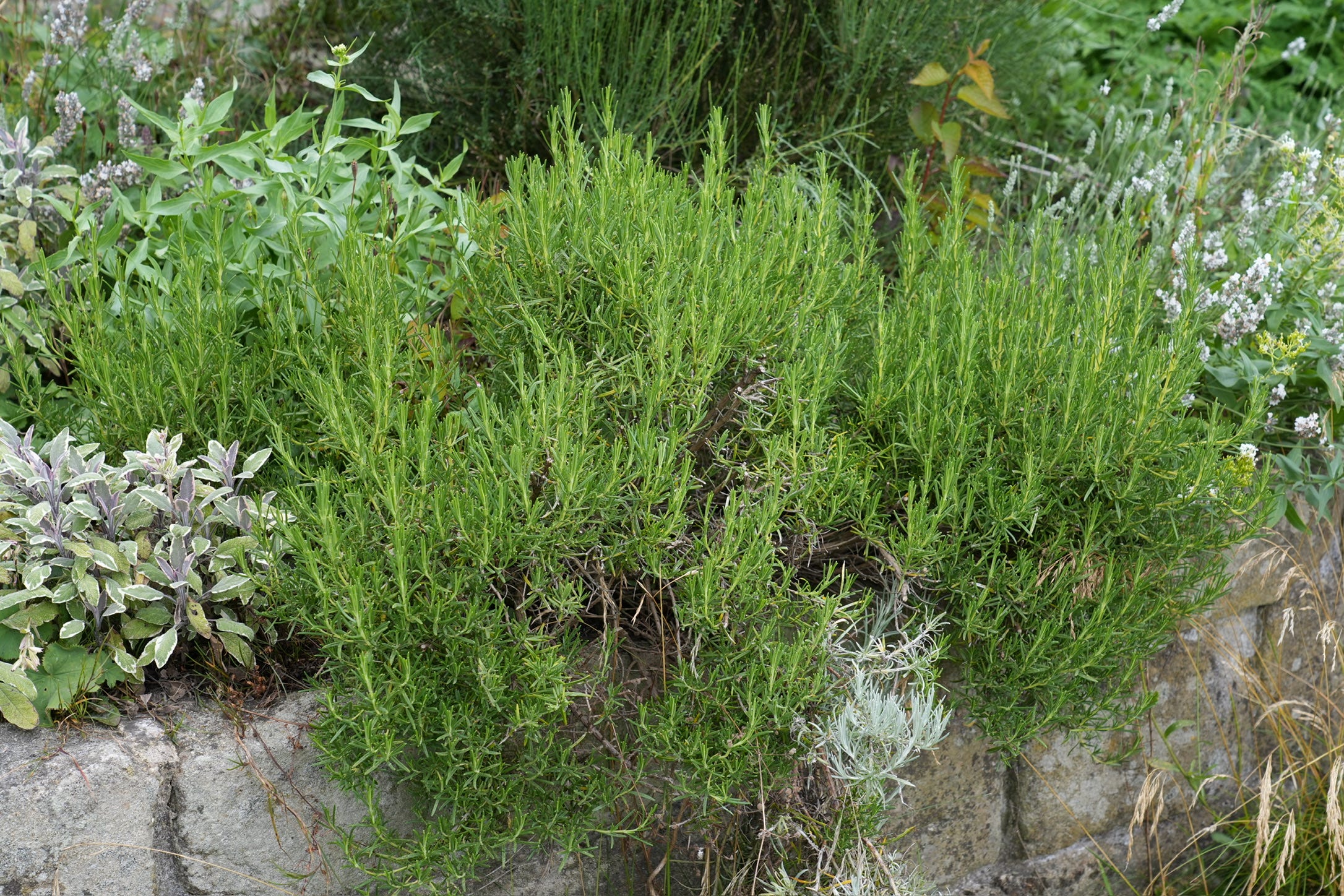
These are the classic drought tolerant plants that look happy and fresh even in prolonged drought and heat. Plants like rosemary, lavender, Verbena bonariensis and thousands of other plants. Rather than escape hot and dry summers, they tolerate it via a range of means such as deep tap roots, efficient water use, water storage and drought-adapted foliage.
Note: many drought tolerators are xerophytes, naturally drought tolerant plants that have evolved in arid parts of the world, but they are not interchangeable words. Many xerophytes can grow in UK gardens but many others won’t because they cannot handle the winter cold and wet. That said, even with wetter winters, most gardens have free draining soil adequate for thousands of drought tolerators.
Annual drought escapers
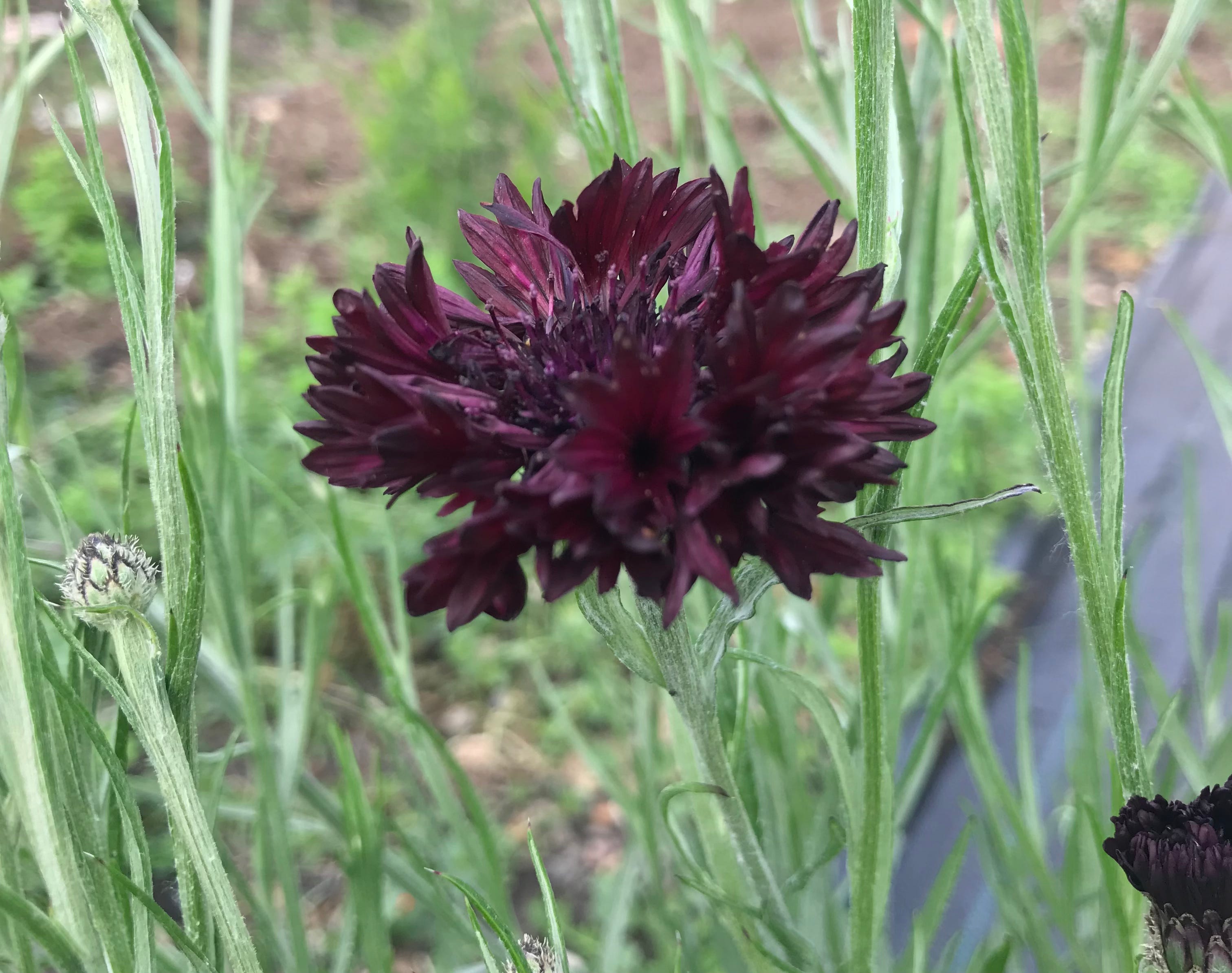
Another strategy plants have is to set seed, the seed then waits it out, germinating when ideal conditions arrive again. This is usually a natural cycle that allows them to escape drought rather than an evolutionary adaptation because of drought. A good example includes cornflower (Centaurea cyanus) which can germinate in autumn, overwinter as a rosette of leaves before flowering and setting seed in spring before naturally dying in summer, avoiding any drought (in wet summers they can be deadheaded and keep flowering). The cycle repeats with seedlings germinating in wet autumn soil. Other plants in the UK that do this include common fumitory, corn poppy and wild rocket. Californian poppy is another classic garden example. Around the world there will be thousands of annuals for this purpose, that flower in spring.
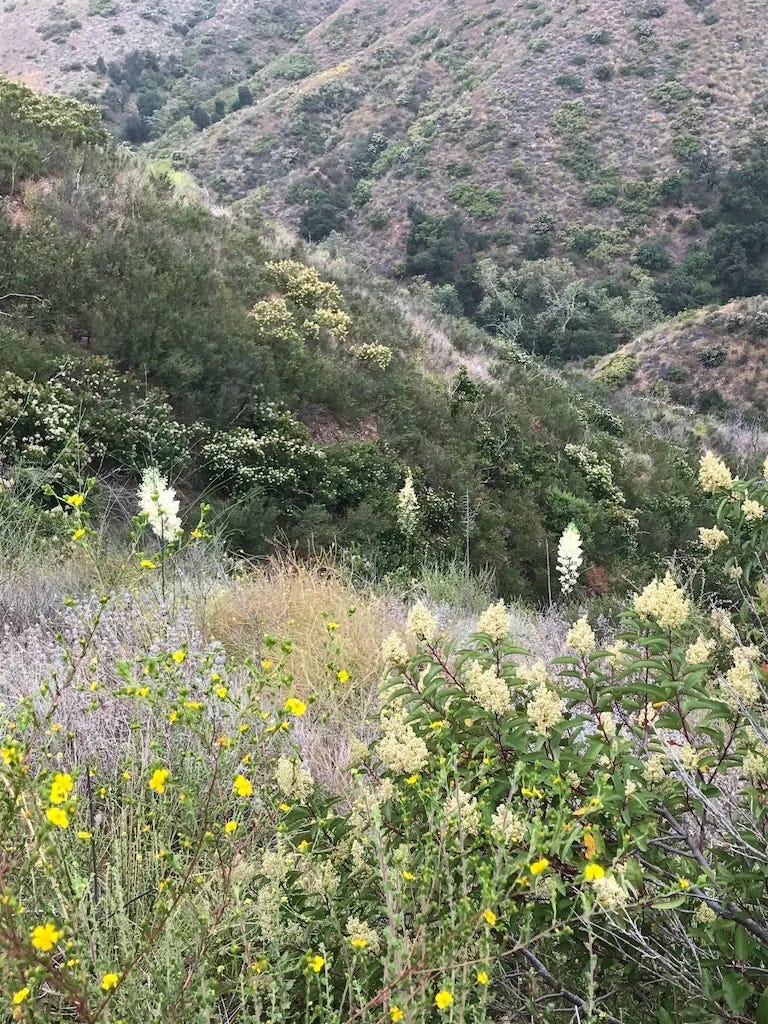
I’m particularly interested in the idea of a summer dormant garden in the UK’s existing soils, not in imported gravel or sand. We like the look abroad, why not here? What could it look like? What would it mean for gardeners? How would it look in the other seasons? And of course, what would it mean for wildlife? I’d like to design a summer dormant garden in a public area in the south of the UK in future.

p.s. I’m running a new survey asking which wild plants are thriving or coping near you? Please take five minutes to fill it in - results will be shared on the Wild Way soon