

Contribute to wildlife research
Help conservation with a bit of wildlife reporting and have fun doing it!
Whether you have a garden or not, you can pop outside and contribute to science and wildlife conservation by helping keep track of populations in your area. Below are some of the projects to take part in and tools for year round monitoring.
New Year Plant Hunt
Run by: Botanical Society of Britain & Ireland (BSBI)
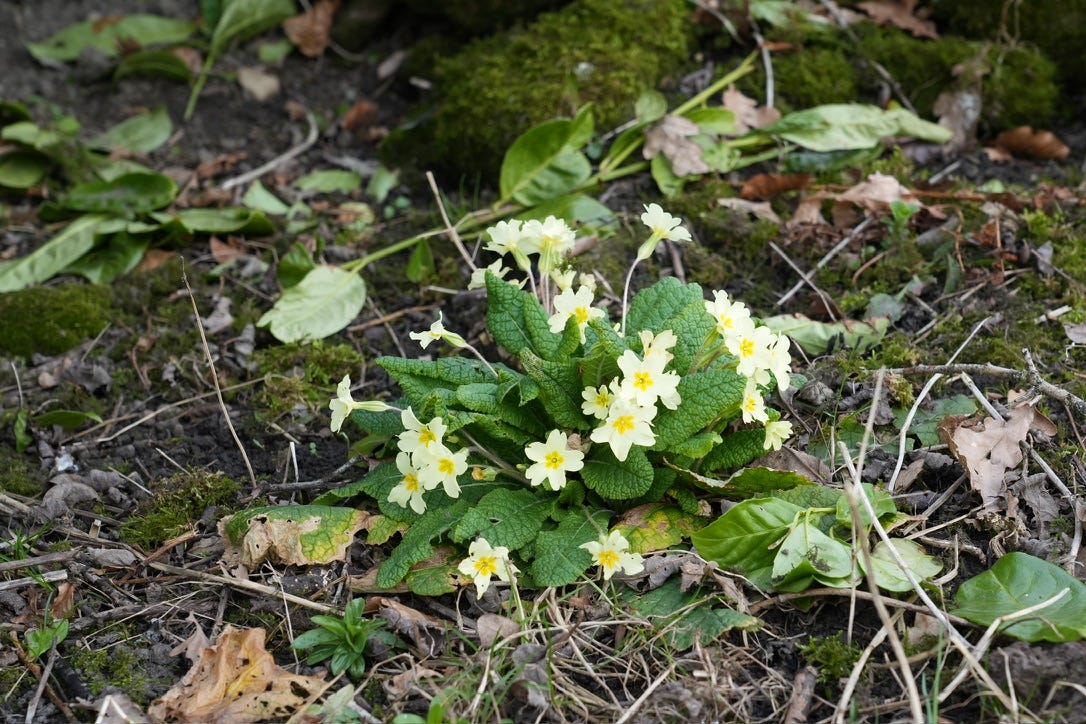
Between the 1 - 4 January you go for a walk and record any wild plant actually flowering in the dead of winter.
Big Garden Bird Watch
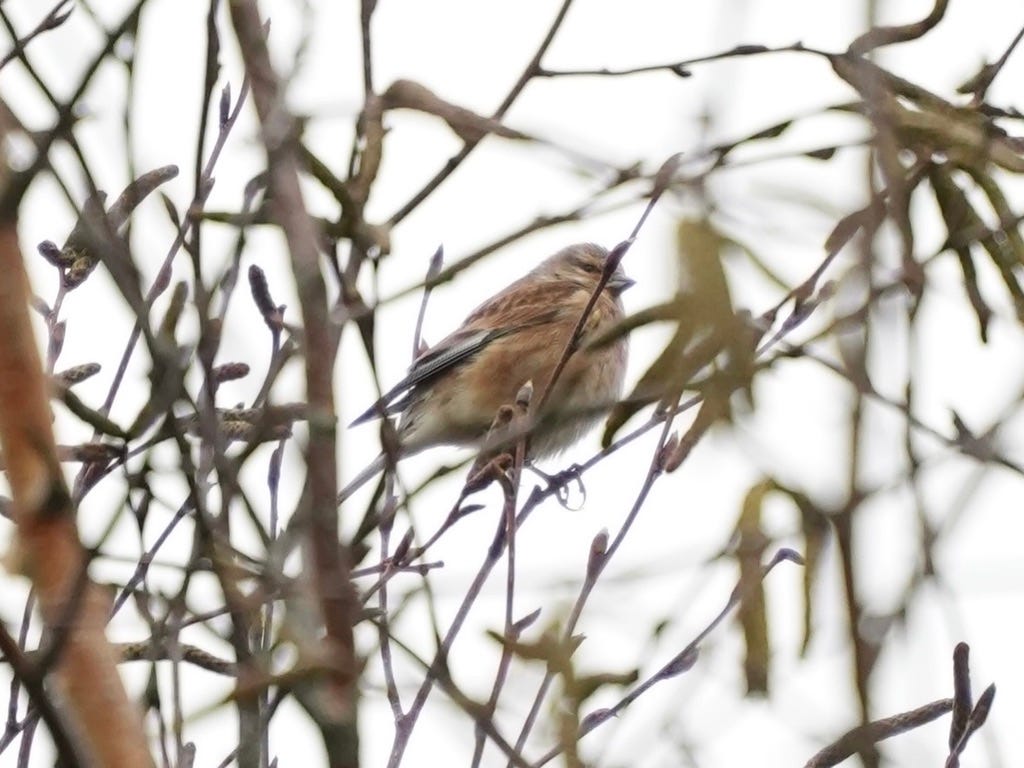
Run by: Royal Society for the Protection of Birds (RSPB)
Count how many birds visit your garden or a local area in a set time and contribute to vital bird population statistics.
Bee Walk
Run by: Bumblebee Conservation
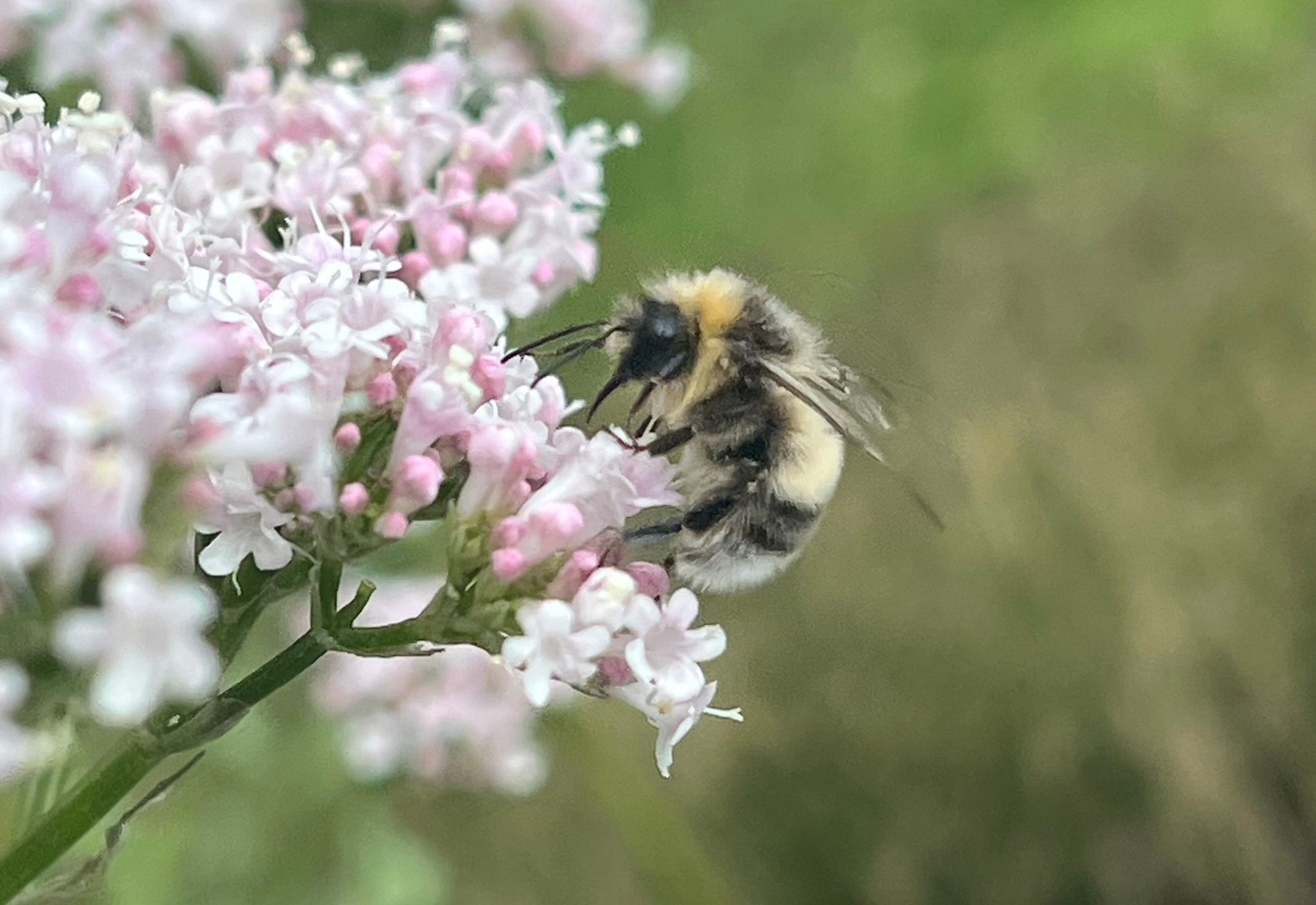
The bee walk starts in March and asks participants to record bumblebee species on the same walk each month through spring and summer.
Big Butterfly Count
Run by: Butterfly Conservation
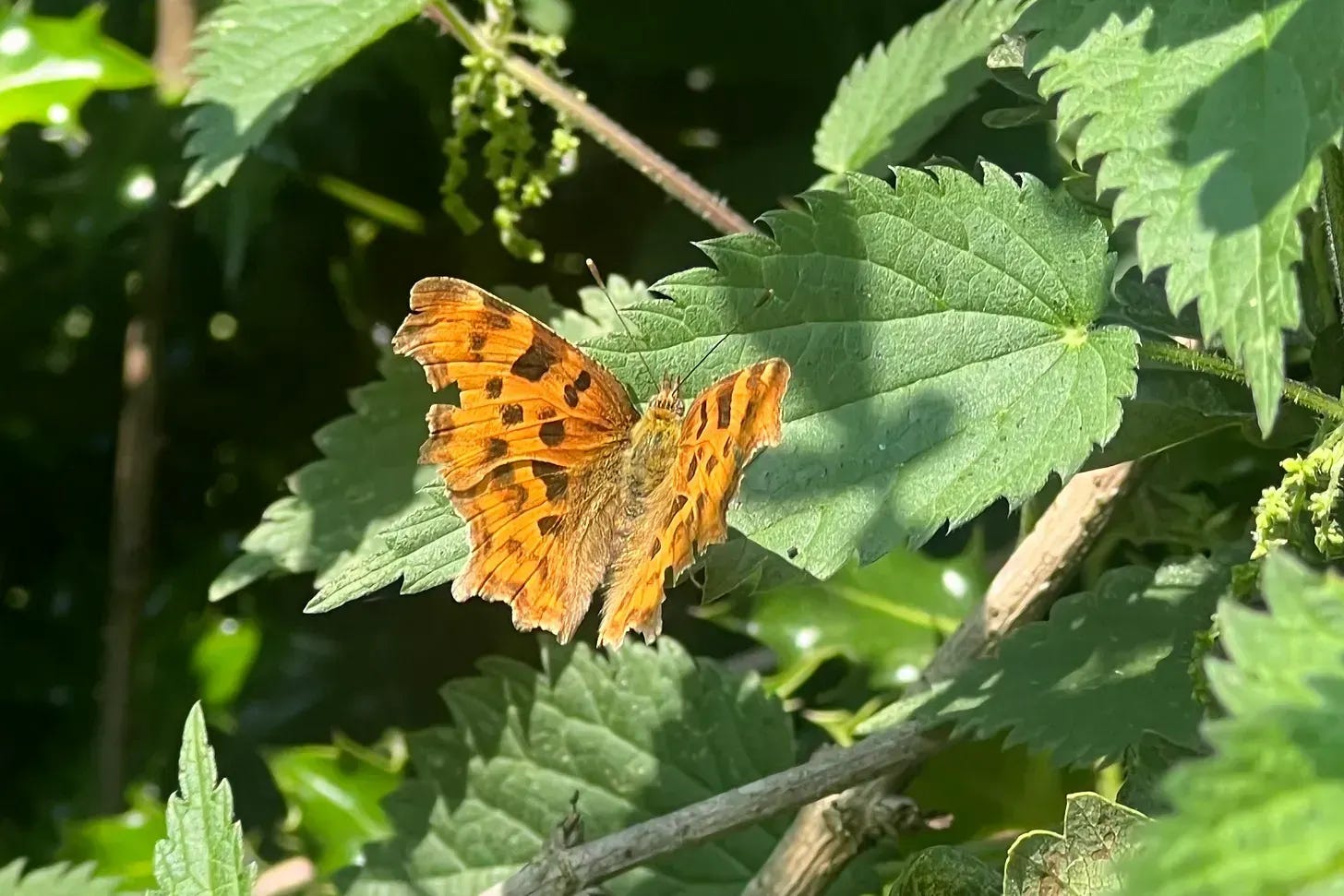
In July and the start of August you spend 15 minutes on a walk or in your garden counting the number of different species of butterfly you spot.
Pollinator monitoring scheme
Run by: UK Pollinator Monitoring Scheme (POMS)
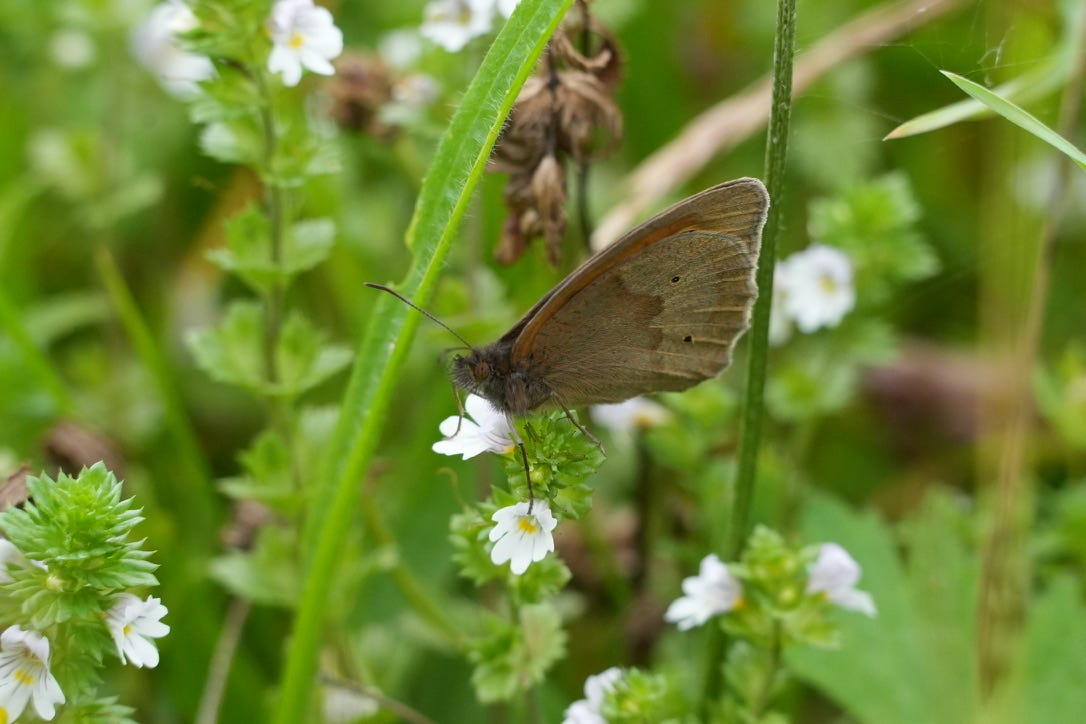
This is a great scheme as you can start by doing pollinator counts where you watch specific plants for ten minutes and count visits by pollinating insects. Then, if you’d like to, you can get much more involved across your local area.
Nature’s Calendar - track trees in climate change
Run by: Woodland Trust
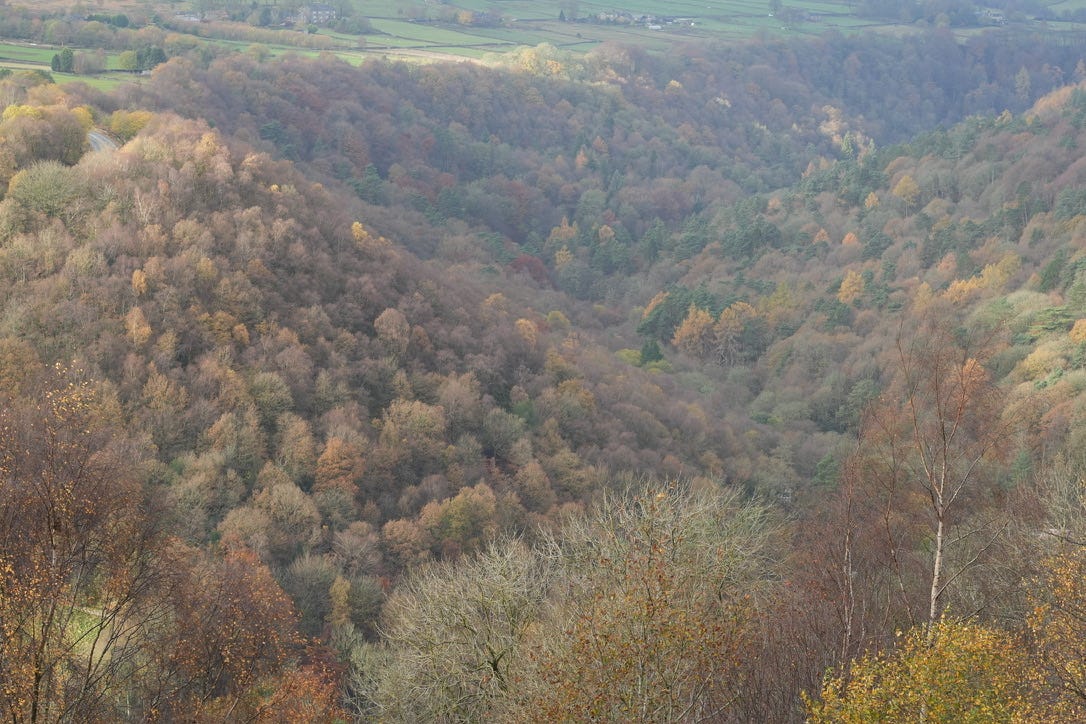
This is another easy and important nationwide dataset asking everyone to monitor stages of tree growth through the year i.e. leaf colour and fruit in autumn, leaves emerging and blossom in spring. Overtime this gives vital data to track changes in season with climate change, as well as health and status of the trees themselves.
Report dead or sick garden wildlife
Run by: Garden Wildlife Health
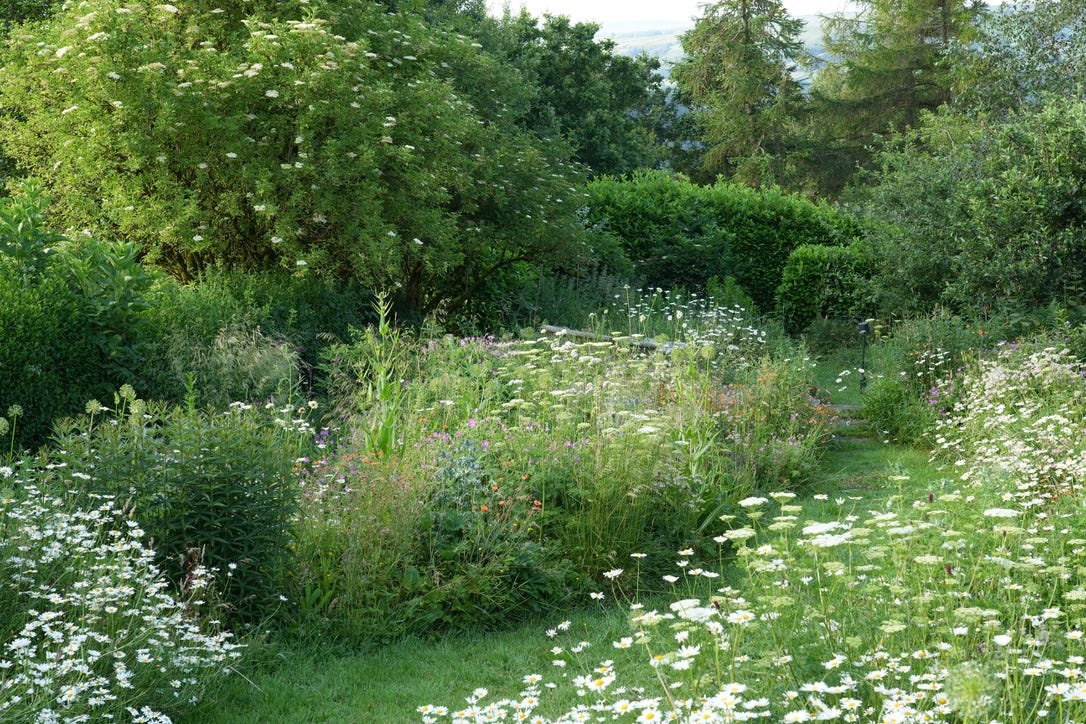
This may sound a tad depressing but reporting dead or sick wildlife in gardens is one of the best ways of monitoring overall wildlife health because in the wild it often goes unnoticed. This is run in conjunction with the Zoological Society of London.
Contribute to national databases of wildlife records
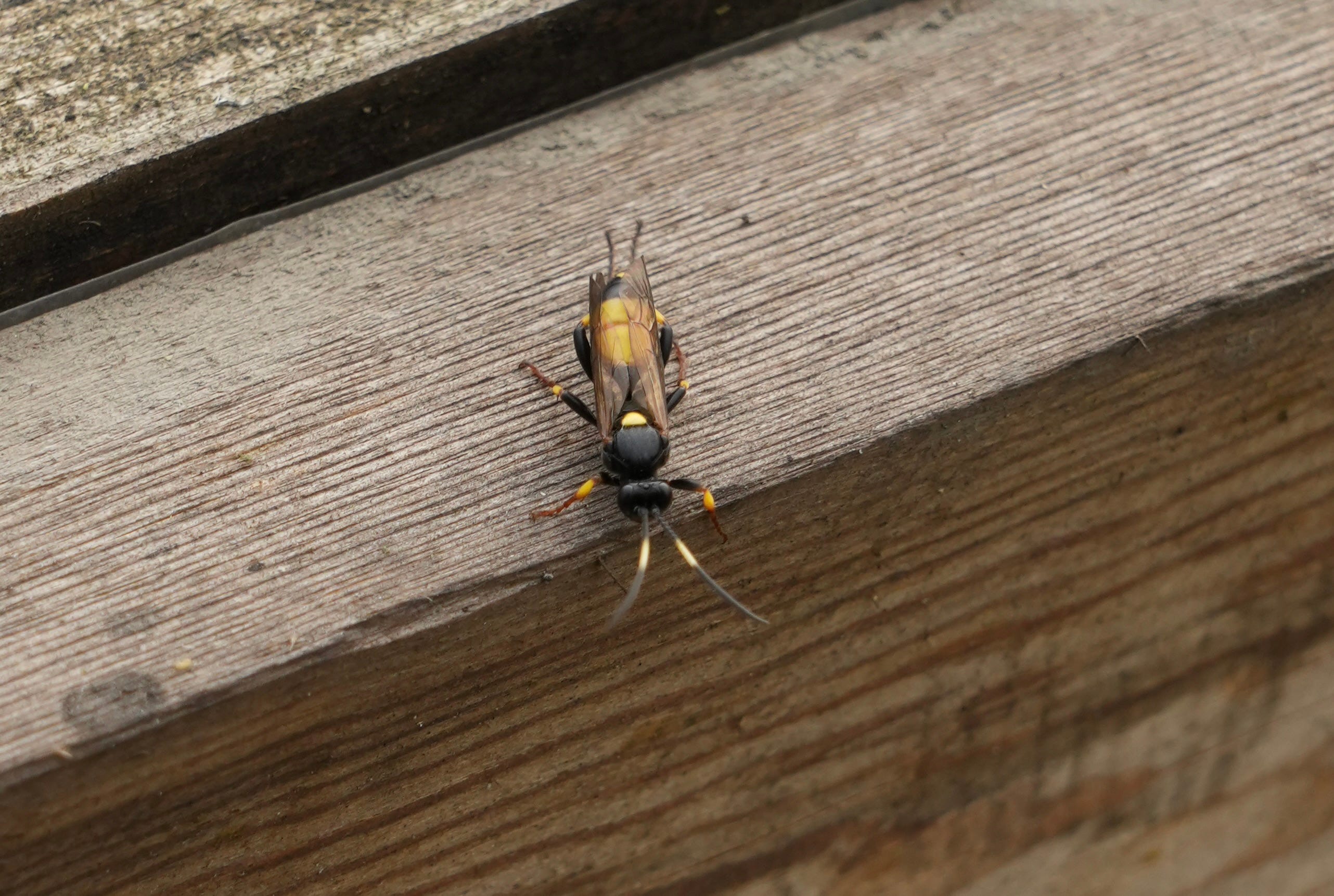
There are various national databases you can contribute to. While they have varying levels of support to help you ID, it’s recommended to try and ID the entry as much as possible first to help with accuracy.
iNaturalist: I use this a lot because it has a good image search tool that suggests what species are, which are then backed up by a community who can verify it or tell you the ID is wrong.
iRecord: submit records to be checked by experts. Like iNaturalist data is made available to scientists once verified.
If you are really keen, there are lots of more advanced wildlife recording schemes across the UK aimed at people with a little more knowledge of certain families of wildlife.
Have I missed any other national schemes I should include above? Please let me know and I will update the list.


Pre-order Grower Gatherer today
from all good book shops