

The other evening I stepped out to mow or do some other gardening task that led me to the stable we use as a shed. I heard chittering from the end stable. This is the room we let swallows nest in each summer, their mud and saliva nests attached to wooden rafters. True Calderdalians, they always seem to mend and reuse past nests.
As I peered round the door, the chittering stopped, and I looked up to see three young swallows on a rafter, already out of the nest, quietly staring back at me with their juvenile white faces. I snapped a photo and said hello before slowly backing away to leave them to it.
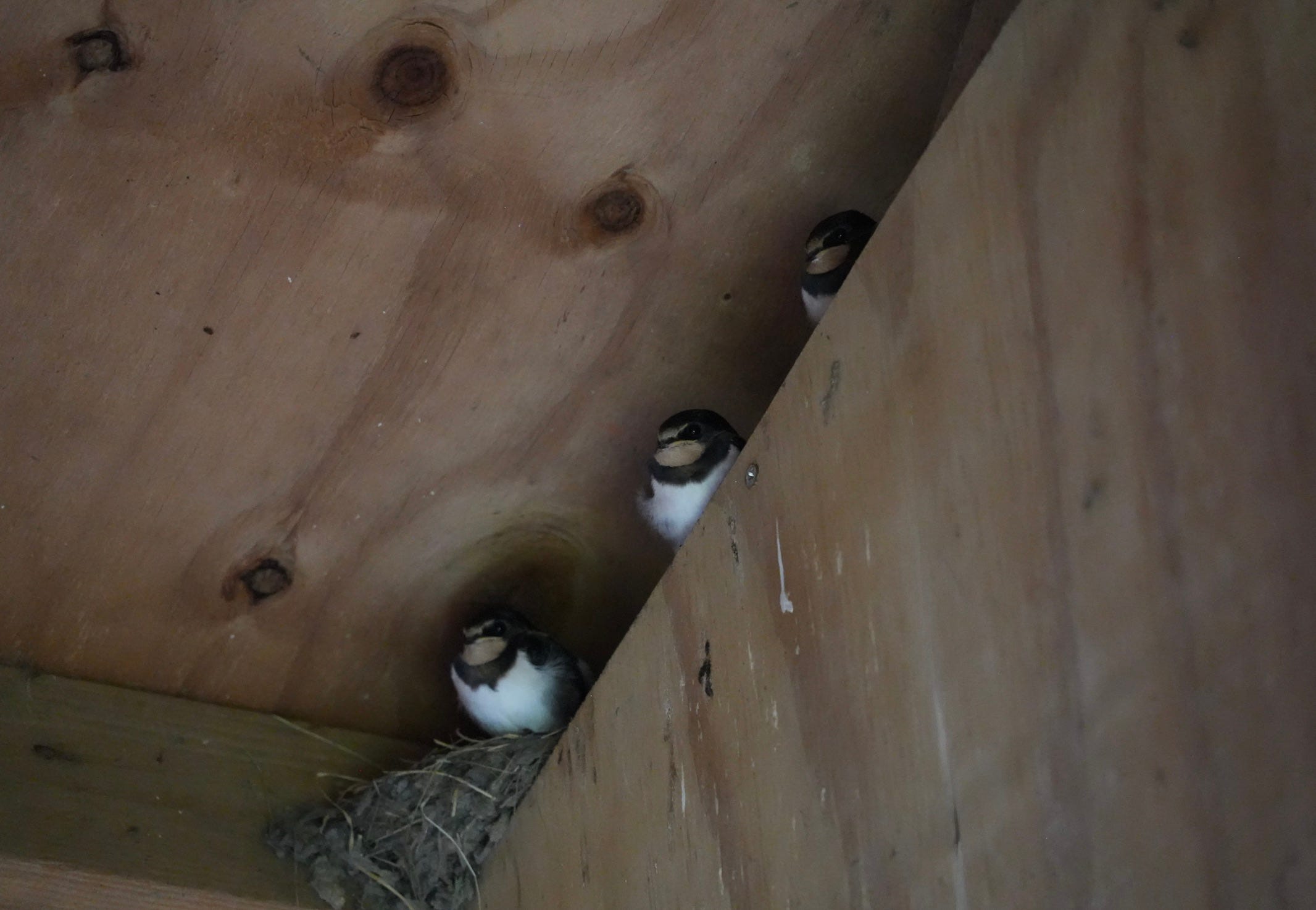
To my surprise they all flew out shortly after. Not only were they already airborne but flying confidently. I’d obviously missed their initial tentative practice.
Soon the three young swallows circled overhead looking at me before their mum and dad came over to join them. One of the parents paused on an adjacent roof.
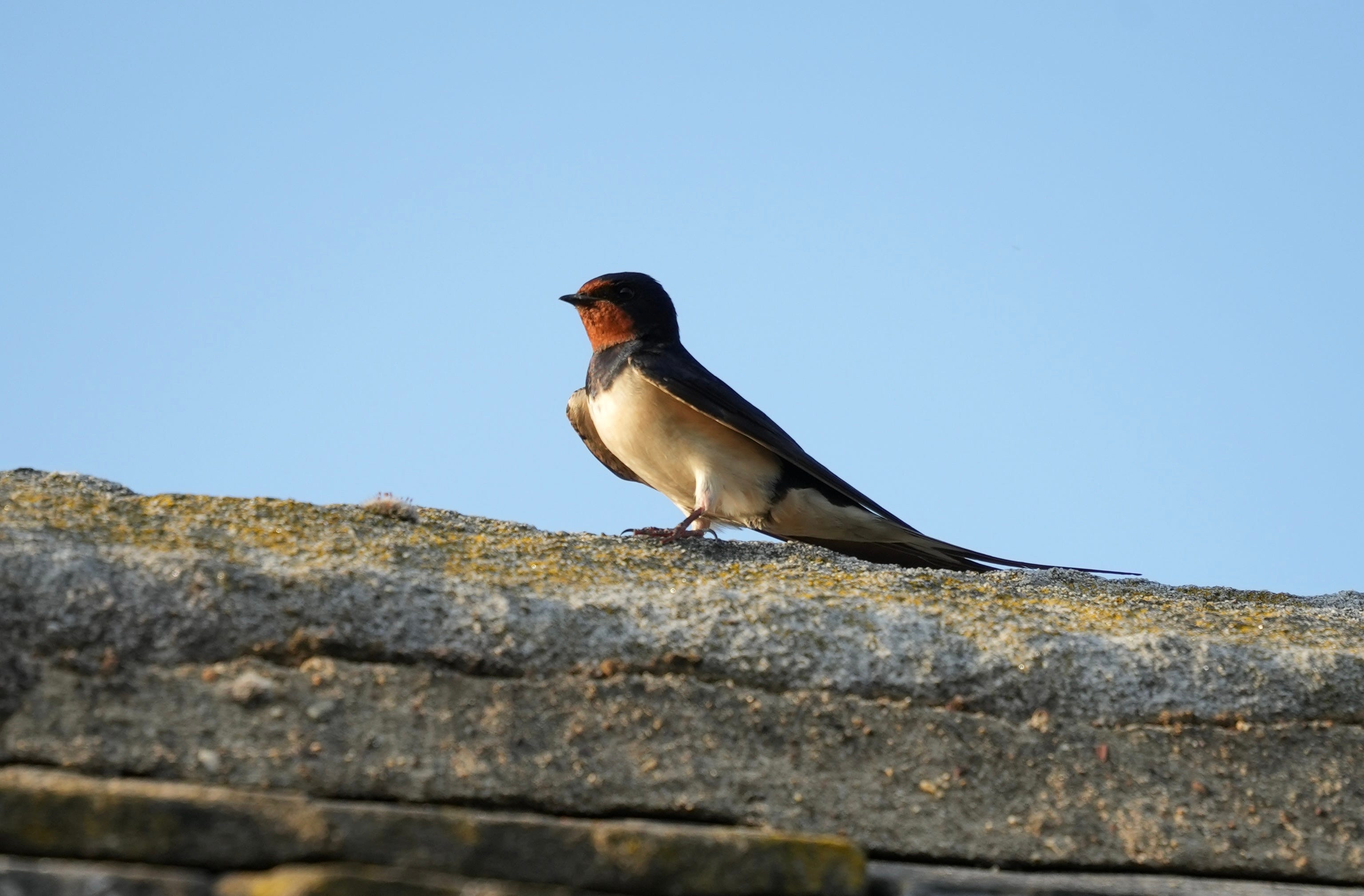
They stared at me for a long time, sussing me out. Their gaze protective but I also read pride in their stance and an understanding between us. They were right to be proud, I was proud of them too, that they raised three fine offspring. Against the odds of woodpeckers and magpies sneaking in to steal some of the chicks, and everything else nature throws at them.
Swallows have been one of the small success stories of our garden. When we saw them for the first time in the summer of 2021 it was a magical moment for me. I must have seen swallows before in my life, but this time I really saw them. How they swim and glide through air currants like fish in water.
In the first few years we kept the doors to the stable shut because there was a small square cut out we assumed was meant for them - there being dried nests inside already. And because they appeared to be nesting in an old pigsty on the other side of our drive. But I began to realise the nests in the pigsty weren’t used and they weren’t going in the hole, though they were nesting in our neighbours’ outbuildings. There were no signs of chicks in ours for the first couple of years and I began to panic we’d made a big mistake.
That’s when, in 2024 I swung the top of the door to the end stable open. Within days swallows were inside checking out the potential new digs. Perhaps the old nests gave them ideas, perhaps these swallows had used them before or grew up in them. Chris and I were so excited, and I more than a little relieved, though I cursed myself at the lost couple of years.
Sadly, this was also the year of a very wet and cold spring and early summer that made it difficult for insects, the first set of chicks starved to death. An active nest requiring 5,000 - 8,000 insects per day. Their tiny bodies removed from the nest by the parents somewhat brutally but also necessarily. After our initial joy, Chris and I were devastated, and we carefully collected them from the floor to bury.
Later that season, the weather picked up along with insect activity, enough to feed a swallow family. A second clutch of eggs was laid and hungry chattering could soon be heard once more.
One day I peered in to find a tiny swallow staring back at me from the floor. Panicked I ran to get Chris, both of us unsure what to do. All advice is to leave wild bird chicks for parents to deal with - interfering can cause parents to abandon nests, starving the chicks. Or sometimes the chick is sick and cast out intentionally to protect the others.
In this case, it was too cute, too defenceless, healthy looking, and the swallow parents had no physical way to lift the chick back up. I threw caution to the wind and donned my muddiest, most mud and plant scented garden gloves and - when the parents were out hunting for insects - gently clasped the chick within my two palms. Wobbling up a ladder that Chris steadied, I raised the young swallow up to the nest. It knew what to do and casually walked from my hand into the nest again with its siblings. I advise others to not do this, but in the interest of being transparent, we did.
I checked the floor daily in case they fell out, though we never saw the chick on the floor again. A week or two later I was overjoyed to see three young swallows on a beam away from the nest. They had flown. Was one the sweet little thing from the floor? We like to think it was.
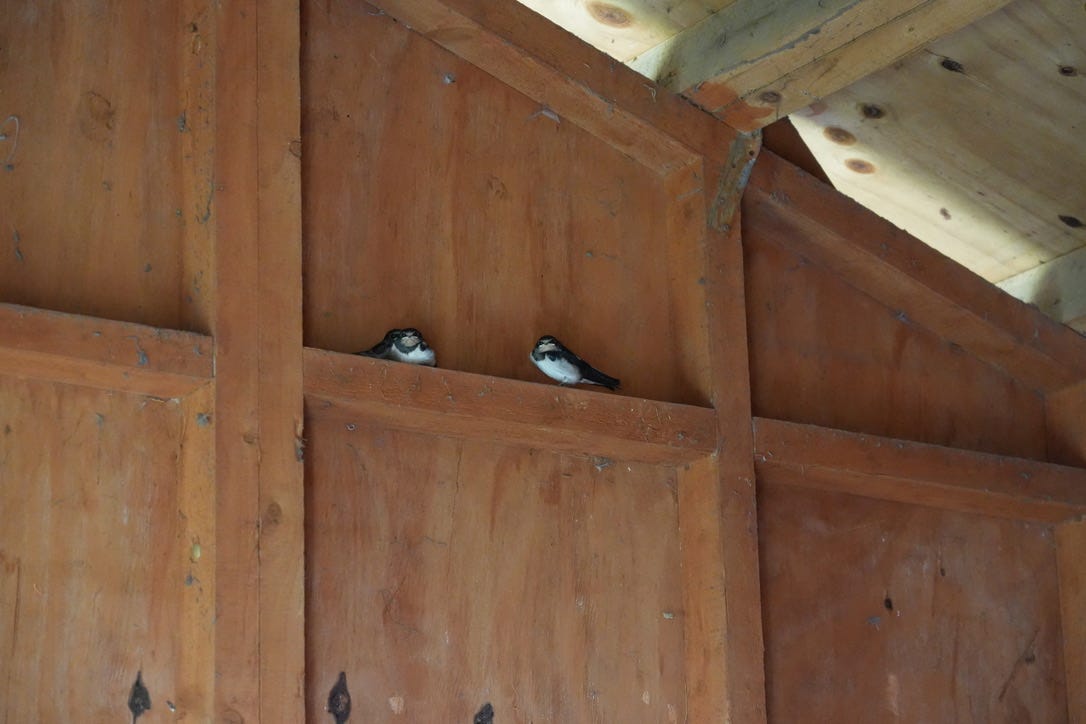
Last year was more successful with one, perhaps two broods. This year, with one brood flown already, I’ve seen the parents flying in and out of the pigsty, gathering mud and perched on a nearby post. When I looked into the stable last night during a downpour the first brood was huddled sheltering from the rain. They are still being fed and taught to hunt insects by the parents.
I suspect the parents are both caring for their first brood and readying a second nest in a new spot in the pigsty. Away from their chicks and perhaps in a more secure spot away from magpie eyes.
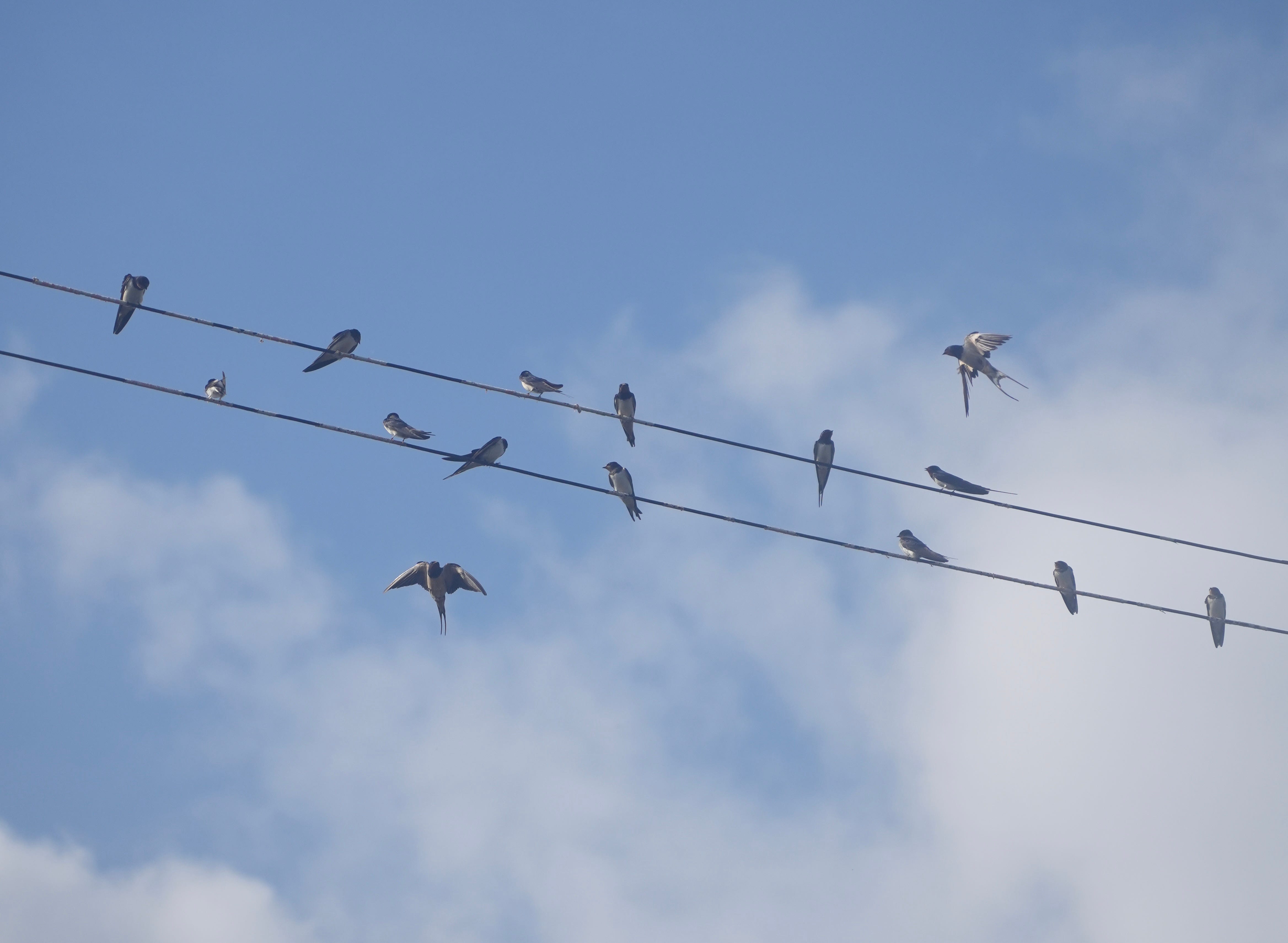
Of the things I love about our garden in Yorkshire - and there are many - the return of the swallows in spring is one of the greatest. I love their presence so much I have a fear of their loss - what if they don’t come back? Right now though, I will watch their antics as they feed on insects from our garden’s rich ecosystem and hope for a second brood for this year’s successful pair, increasing their number further. Until the time comes when autumn arrives on the wind telling the swallows to ready for the long migration back to Africa or Southern Europe for winter.

Me too, I love your uplifting stories, especially after reading a heartbreaking one (substack?) by Kate Bradbury about swift chicks deliberately throwing themselves out of their nest because they were too hot. The wonderful owners of the barn (and Kate, when they were on holiday) hosed it down every few hours to reduce the heat 😇.
Our own success story- we now have at least 50 House Sparrows and Starlings in our small garden in S.E. London, achieved by providing cover, food/water and nesting sites/boxes, plus lots of planting. It's not hard to do, tho there is a lot of whitewash to clean up!
Do you have a pond?!!
Thank you, as always.
I appreciate your writing about nature, there feels so little we can do in these times of disruption but helping nature survive is an important step. Now living in New Zealand I look forward to reading your descriptions of a wild English garden similar to a garden I left behind, made for nature and all those wonderful little creatures called insects.