

How to study moths in your garden
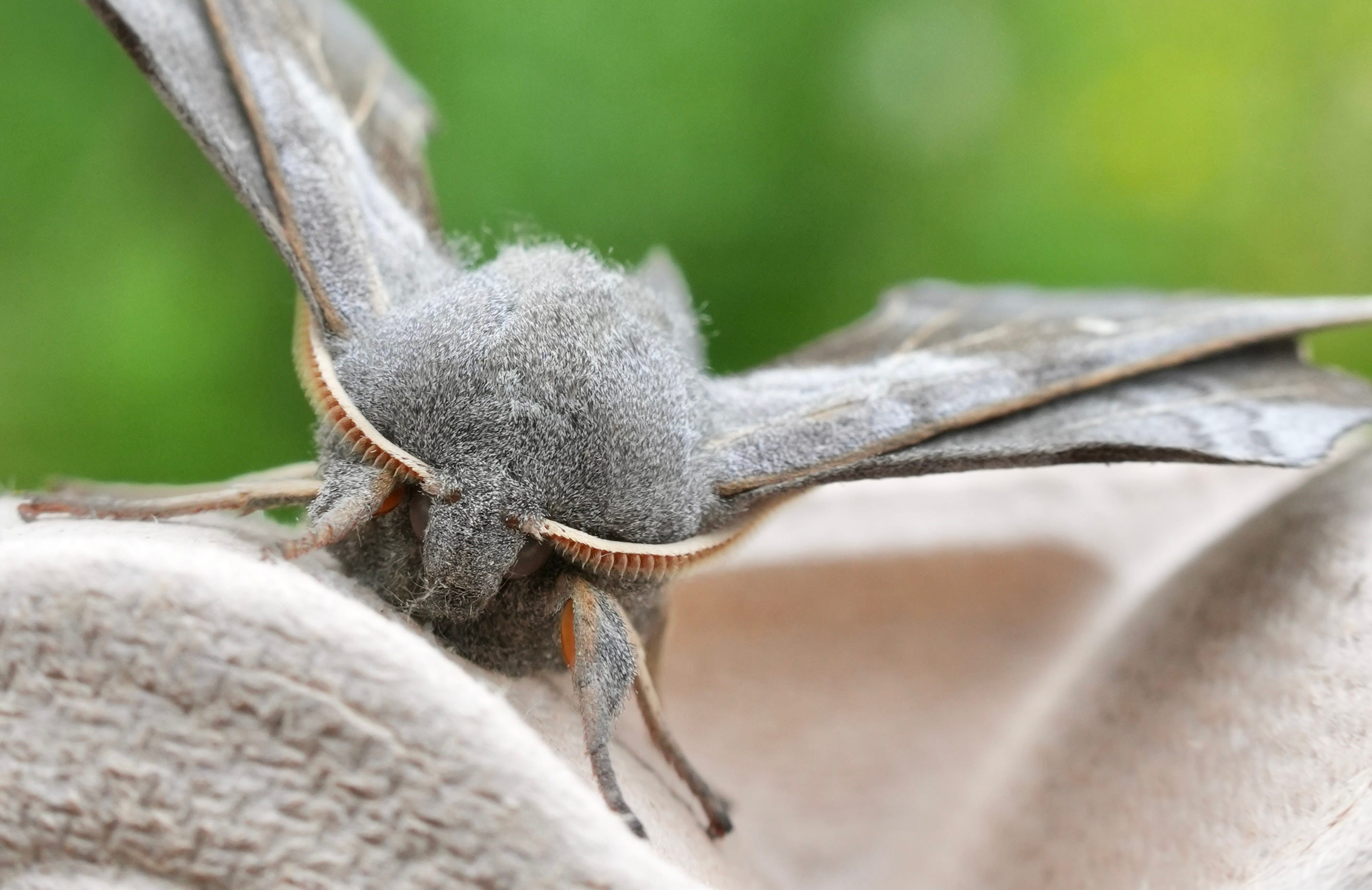
One of the hopes with my book A Greener Life was to change opinions on unfairly maligned wildlife including moths and hoverfly. These two groups of insect are completely harmless to humans, they don’t sting or bite. In fact, they are very gentle and cute creatures.
I have a particular fondness for moths because there are so many species in the UK that are hugely varied and incredibly beautiful. Their colours and shapes are inspired by nature to camouflage themselves against bark, lichen, leaves, twigs and flowers. They are also often easy to observe and identify with a few techniques.
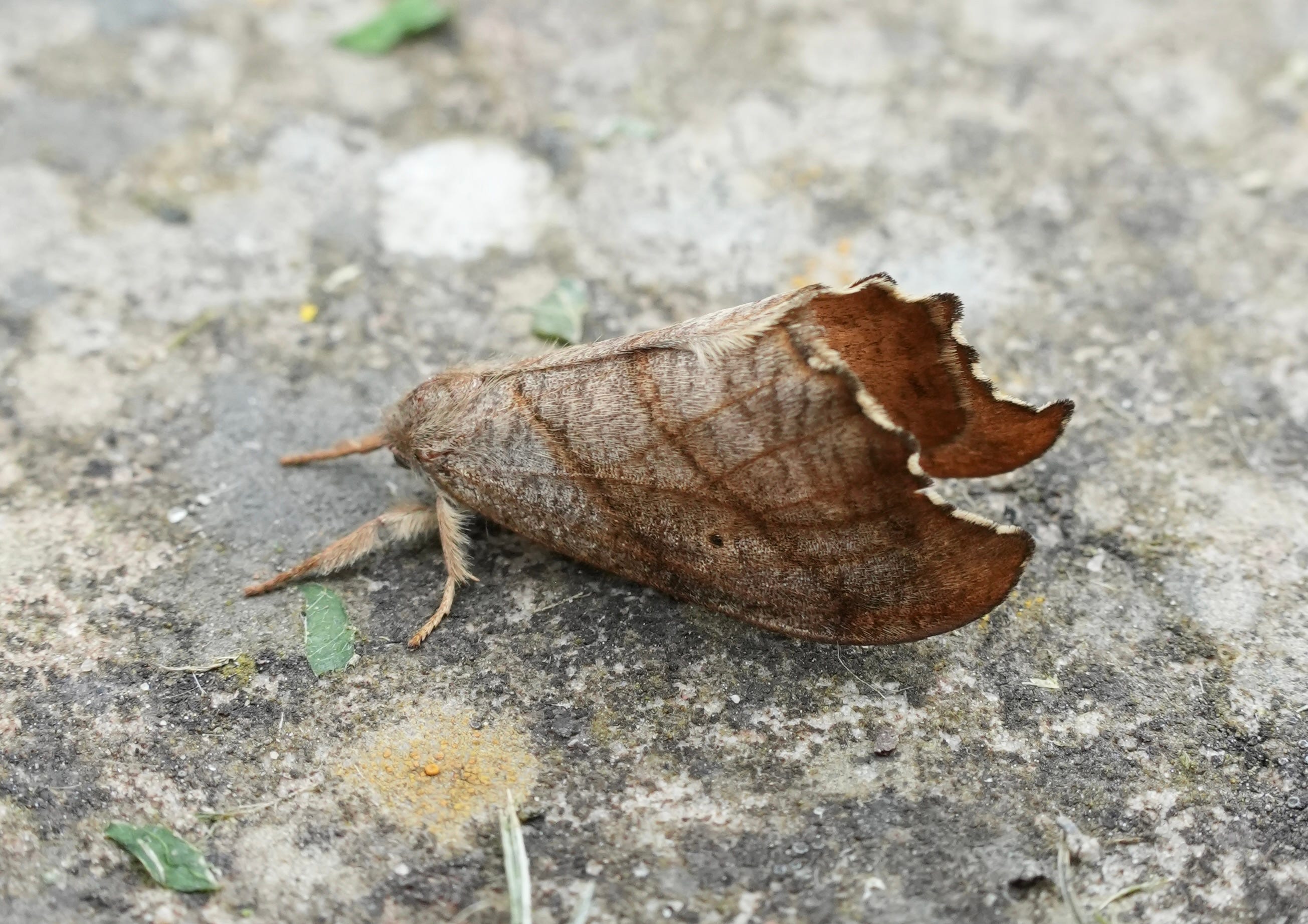
Having a wide diversity of moth species in your garden is one of my key pillars to a healthy ecosystem. Moths prove the garden has a wide diversity of plants on which their caterpillars feed, eating leaves, stems or flowers. In turn, moths are a core food source for birds and other insects. The more moths you have, the more other wildlife you will attract.
Turn any worries you may have about moths into wonder my taking a closer look.
1) Study day-flying moths
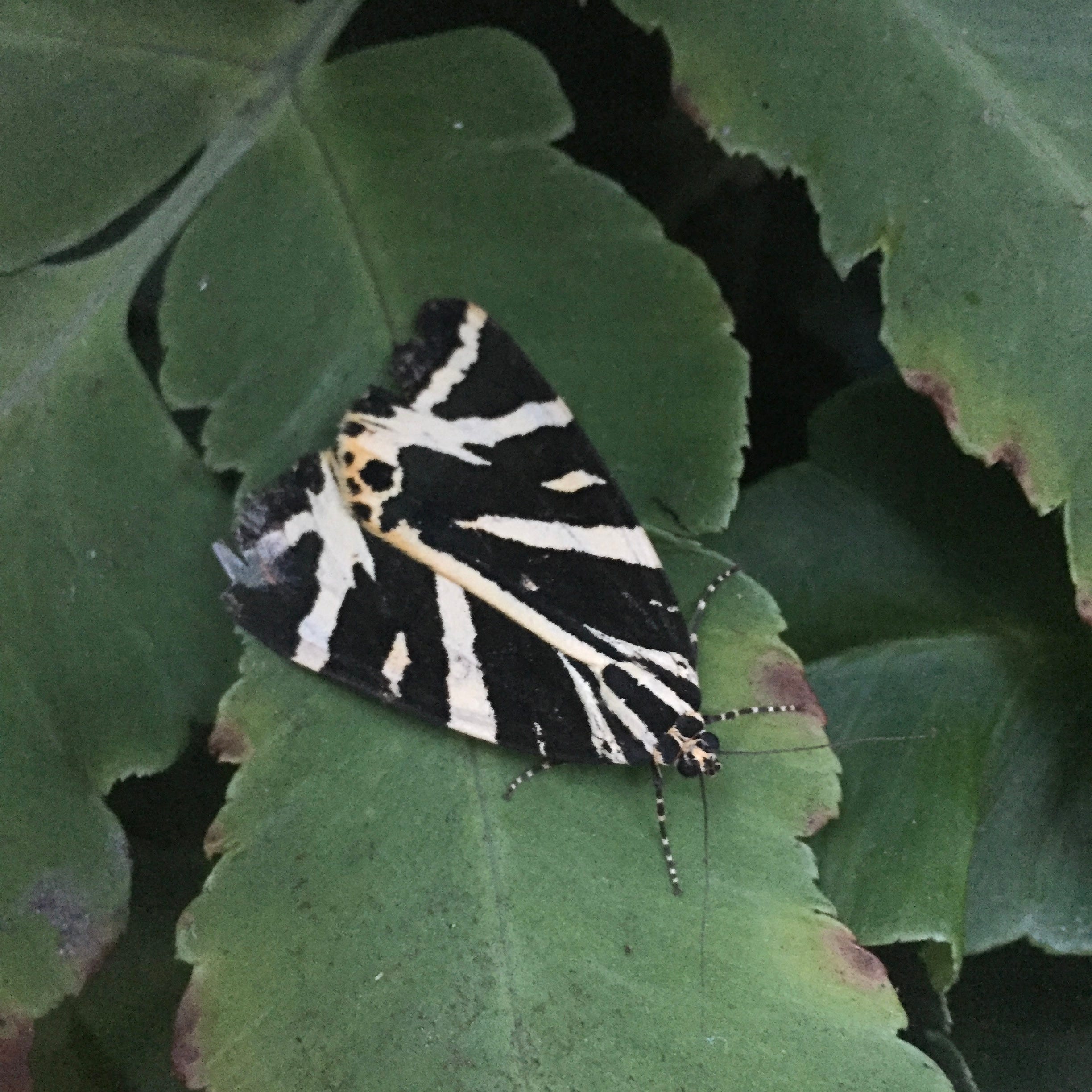
No equipment required except your eyes and a camera - your phone camera will do, especially if it has a macro and zoom mode to zoom in from a distance.
As you walk around your garden you’ll start to notice some moths fly in the daytime like butterflies - many people do mistake them for butterflies. If you brush foliage it’s likely you will disturb a moth causing it to fly to another spot.
All you have to do is move slowly and follow where the moth eventually lands. You can then look at it from a short distance and try to take photos to study the detail on their wings later.
2) Study night-flying moths
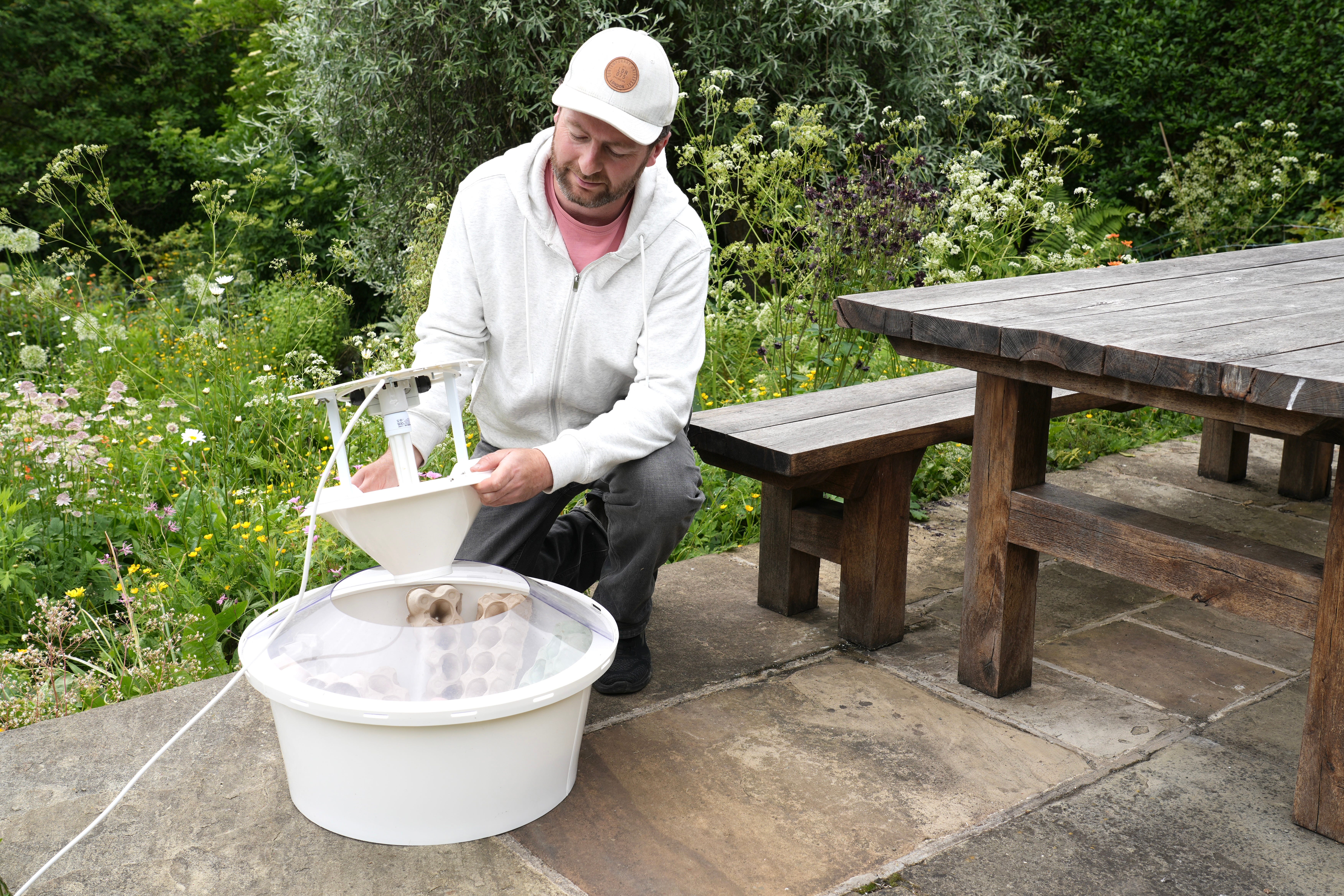
The real fun begins with the magic of studying night flying moths because that’s what the vast majority are active. Here are two easy ways to study night-flying moths.
i) White sheet and lamp
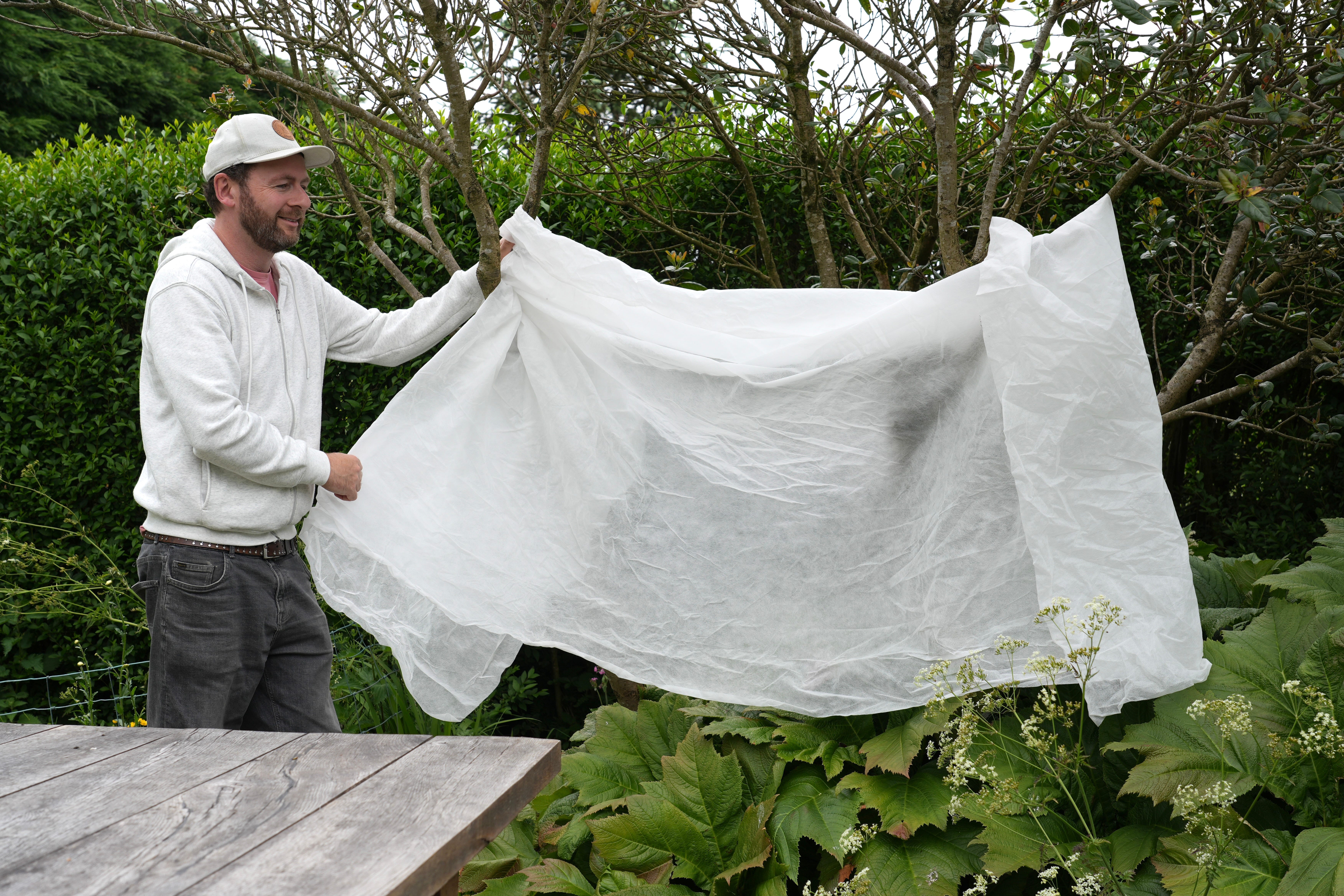
Super simple, peg a white bed sheet up somewhere and when it’s dark place a lamp behind it. Obviously be careful with the electrics, you can buy fairly inexpensive bright camping lights made for outdoor use. A good method is actually to place the sheet in front of a house window with the light in the room on. Moths will fly into the sheet allowing you to take a look and snap some photos. Take a torch to see the moths more easily.
ii) Moth traps
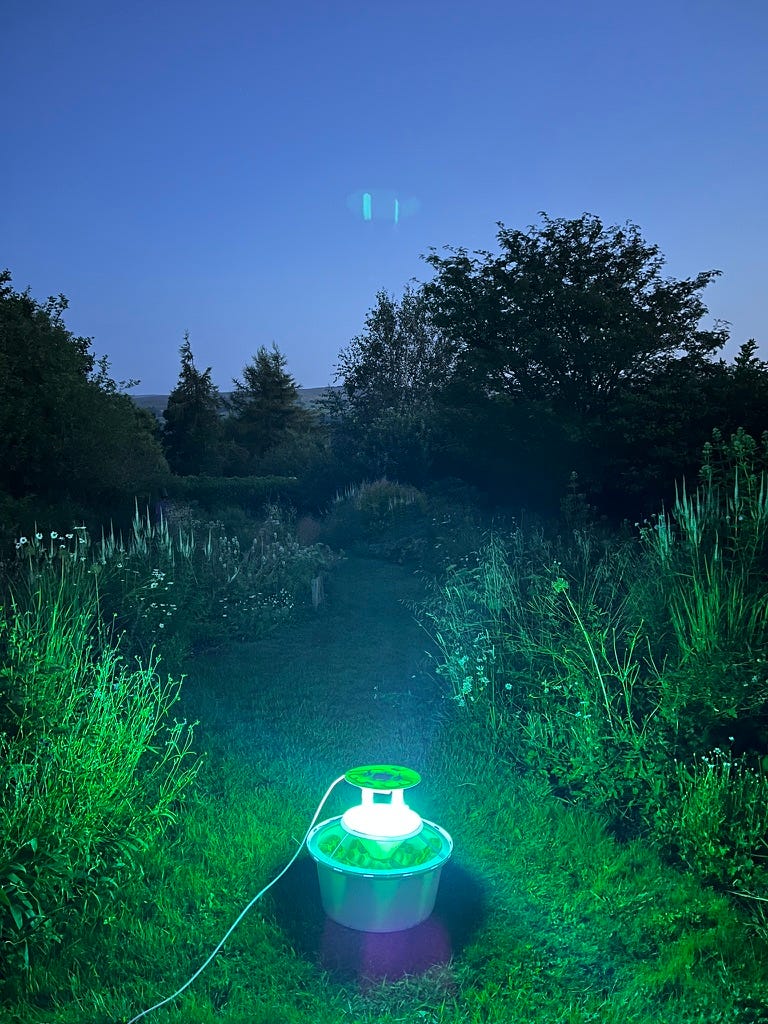
The name moth trap is unfortunate because it sounds like you’re harming them but all you do is attract them to a container overnight, study them either at night or in the morning, and then release. If you check first thing in the morning and don’t repeat night after night, this is not harmful to the moths. It is also the easiest way to study them as they are sleepy and slow in the cold of morning.
There are various moth traps available that all tend to be extremely expensive for what they are. Portable fold up traps exist, battery powered vs mains, as well as different sizes. I wanted to look at the moths in our garden so I bought a trap with a mains cable I power from our shed’s electricity using an outdoor extension lead.
It’s the special actinic light bulbs that make up the cost. Actinic bulbs produce UV light frequencies we can’t see that are highly attractive to various moth species (it’s dangerous to our eyes so never look directly at the bulb and consider wearing special protective glasses). In the past mercury vapour bulbs were used that were really bright, got very hot and needed more power including a cumbersome additional electrical control box for safety. These are being replaced by less powerful lights better for the environment that don’t need the heavy electrical control box. While it’s felt these new bulbs don’t attract as many or different species of moth, for everyday purposes I find it absolutely fine.
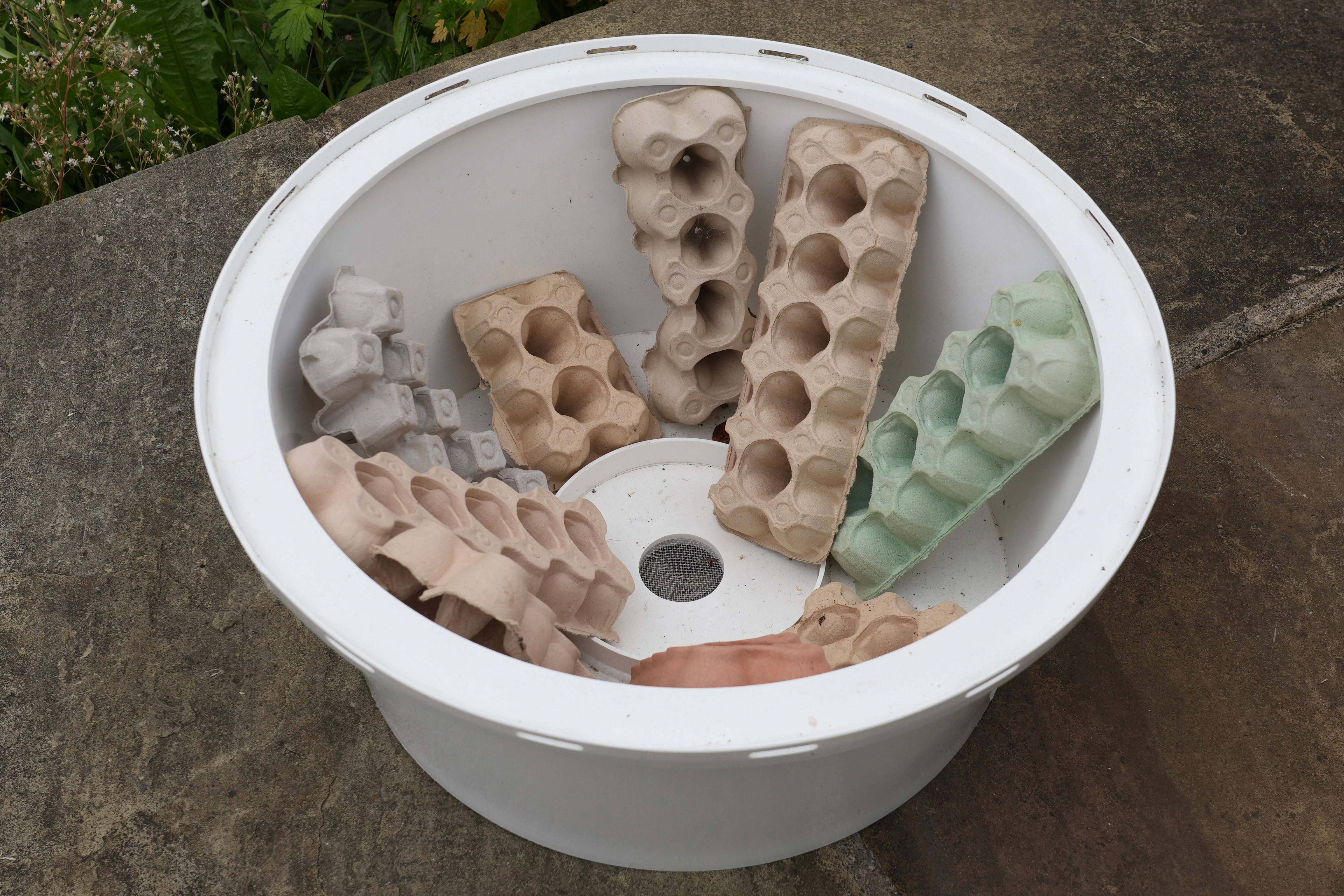
Considering how expensive the traps are, it makes me laugh that the way to line them is with upturned old egg boxes. Moths seem to like clinging to the inside of these - it’s where you’ll find them in the morning.
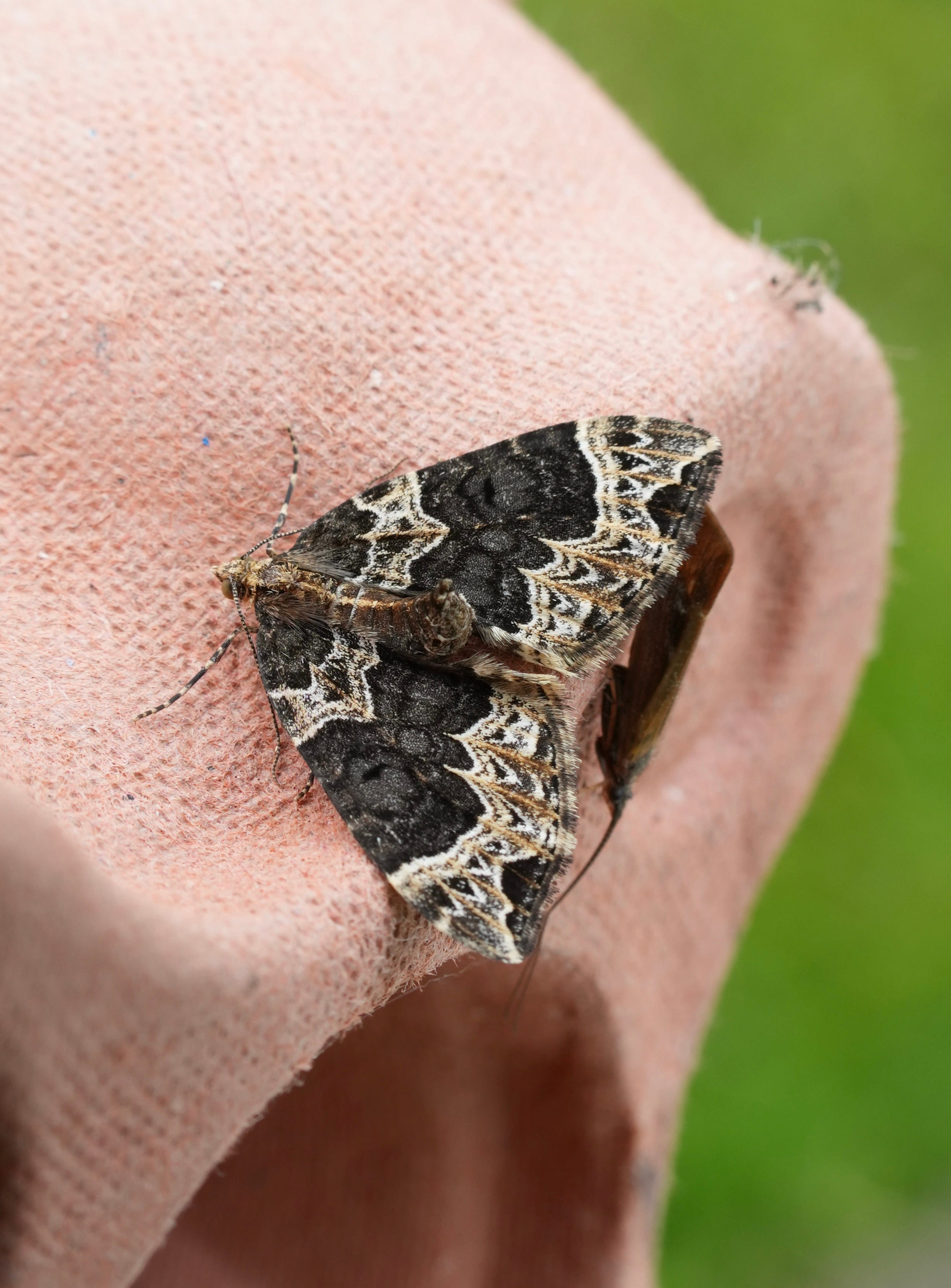
When releasing moths after trapping them, leave the egg boxes somewhere sheltered and shaded under a shrub or other plants. This allows the moths to fly away in their own time out of sight from birds - birds can learn to visit moth releases if done too often in the same spot!
