

My day with a kingfisher (Alcedo atthis)
Observing the daily feeding habits of this adorable river bird
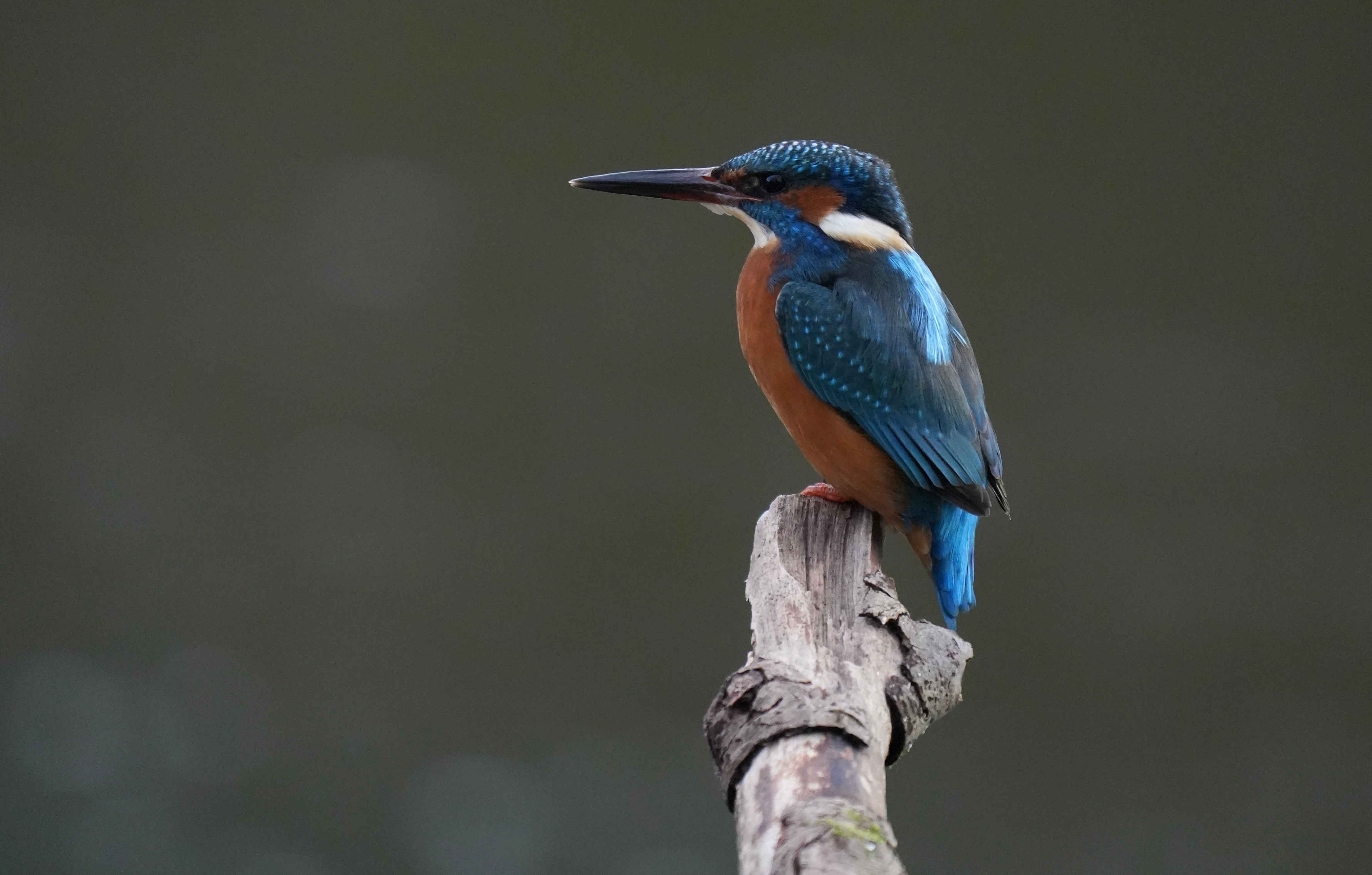
Here in West Yorkshire we are surrounded by rivers and canals which are home to one of our most brightly coloured and unique indigenous birds, the kingfisher (Alcedo atthis).
Kingfishers are fairly common birds along UK rivers but aren’t regularly noticed because they are small, fast and elusive. You might spot a flash of lightening-blue as one rockets along a river. In my life I think I’d only ever seen a kingfisher once, perhaps twice.
Since before we moved to our little farm I’ve been meaning to look for kingfishers, Chris’ sister told us she regularly sees lots along the canals near us. Despite walking the canals and rivers myself, to date I’d yet to see one near us. If you’d like to spot a kingfisher, look to clean, slow moving or still water containing fish.
Then I heard about a particular kingfisher known affectionately as ‘the local celebrity’ because of its carefree disposition around people. I popped down with my wildlife lens and after a short wait, was treated to a magical day alongside the kingfisher as they went about fishing.
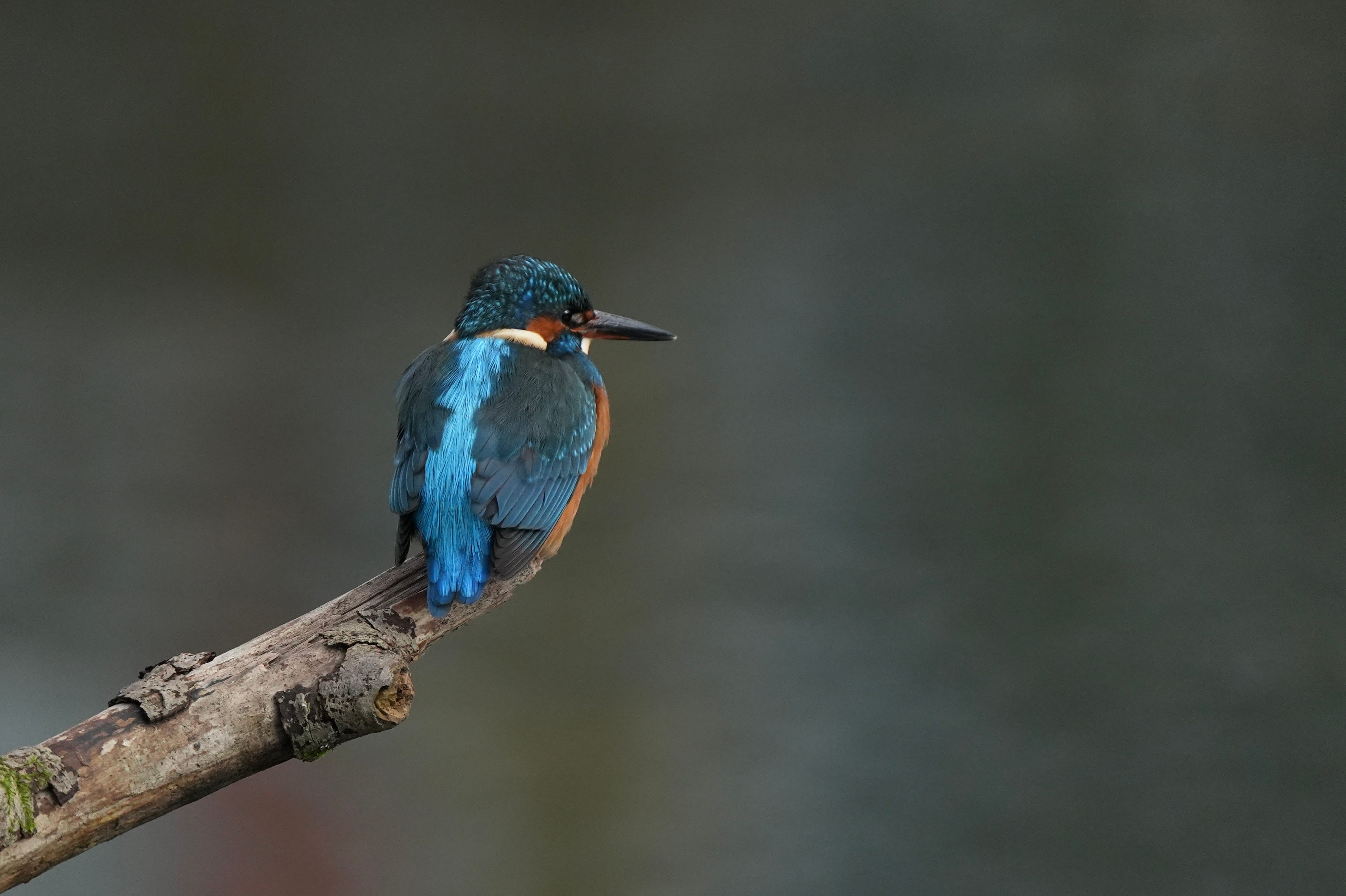
This particular kingfisher is a young female. You can tell she’s female by the orange tinge under her beak, males have entirely black beaks. I should really be calling her queenfisher, so let’s do that. If we’re lucky, she may breed in spring and teach other kingfishers to be tolerant of awe struck Homo sapiens.
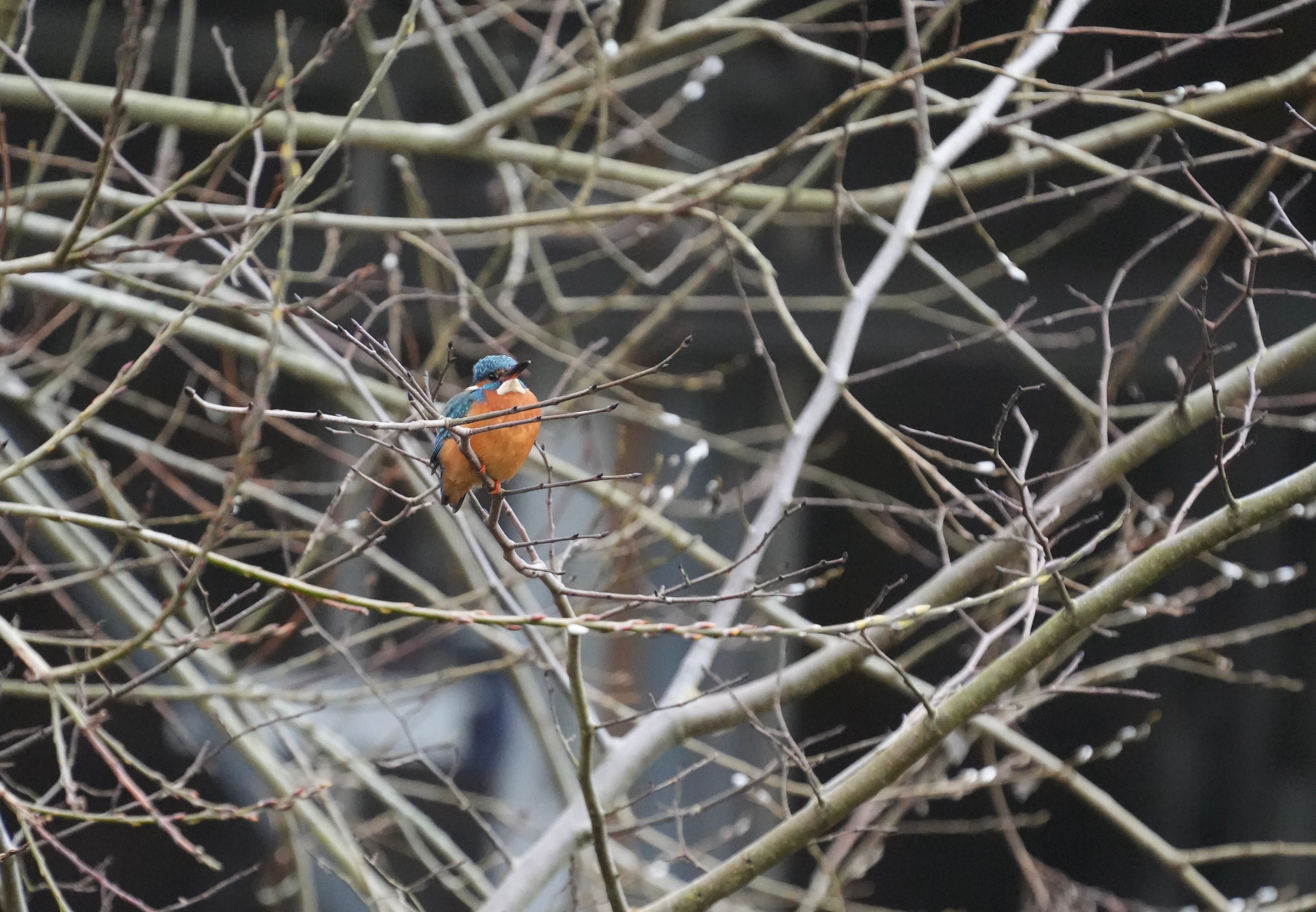
The first thing I’ll say about the queenfisher is how impossibly cute she is. Fluffy with sweet eyes that are constantly aimed at the water. They are much smaller birds than imagined from photos, a couple of centimetres bigger than a robin. In fact, she reminded me a lot of a robin, not only for the colourful chest but the shape of the head when front on. A mix between a robin, a long-tailed tit and woodpecker. And perhaps some other exotic bird. The Woodland Trust says kingfishers are twice as heavy as a robin despite being of similar size because they are more muscular, I’d guess also because they are filled with fish!
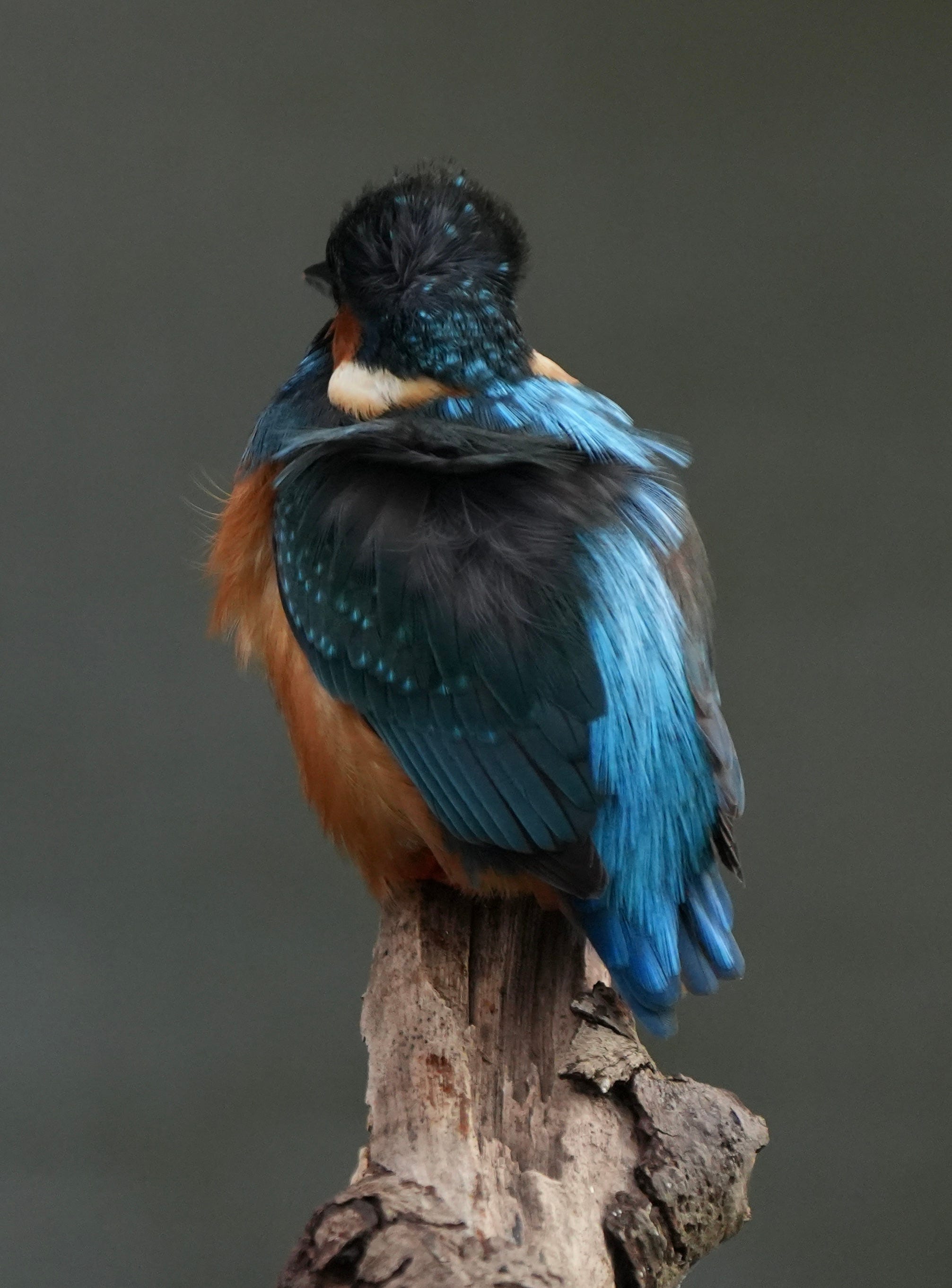
Able to stand very close to the queenfisher as she went about her day I was able to fully observe her colours. Kingfishers are even more beautifully coloured than I’d imagined. Mixed shades of copper-orange contrasting against their black-indigo upper half and wings studded with lightening blue spots and the vibrant stripe down their back. Plus a splash of white on their collar and under their chin.
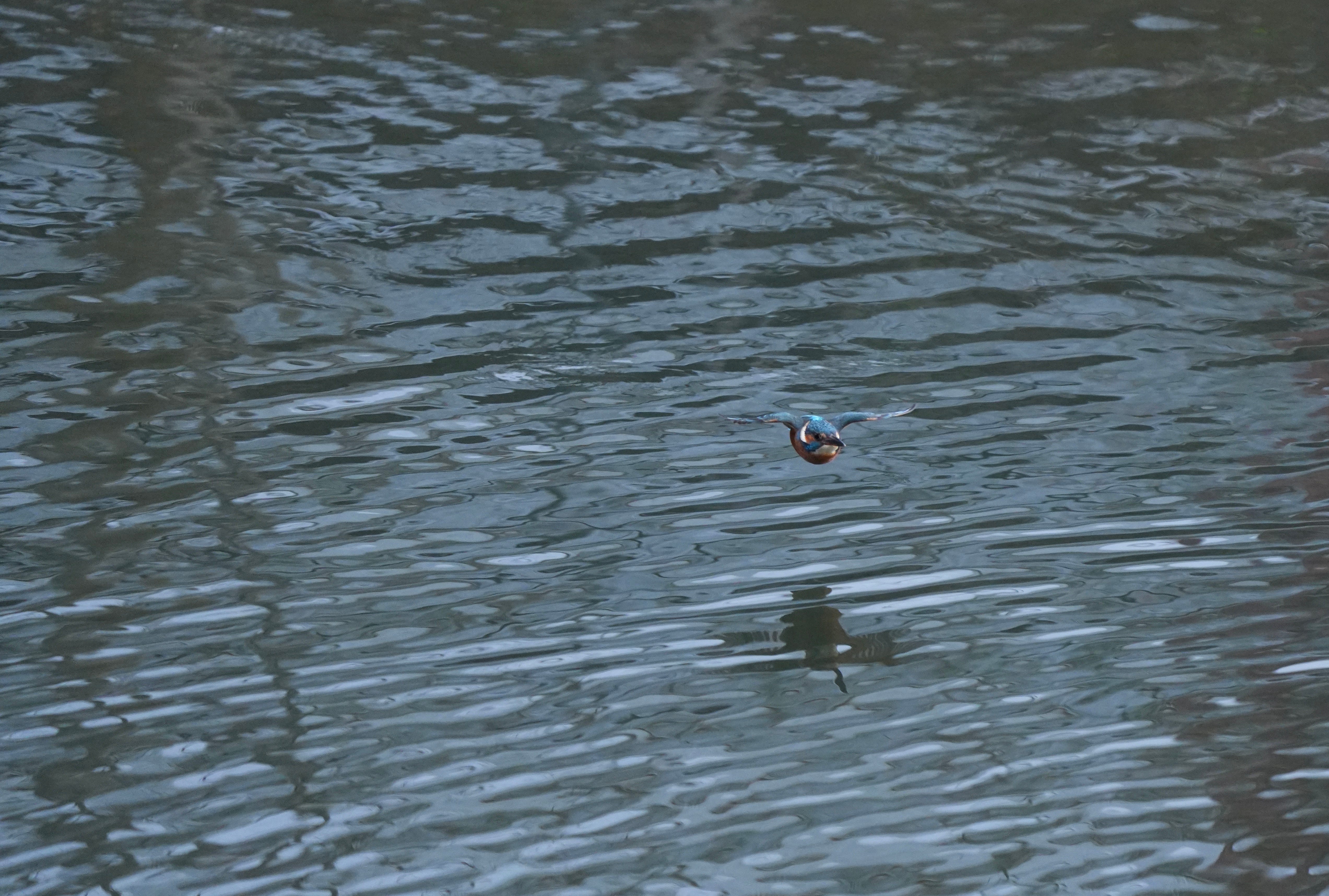
Their flight - to me at least - is reminiscent of a hummingbird because their wings flap quickly as they fly rather than always gliding. Often the queenfisher would jump into the air, hover momentarily to refine her position before plunging into the water, like an arrow, with a mighty splosh. Re-emerging with a fish, a ripple of water in her wake.
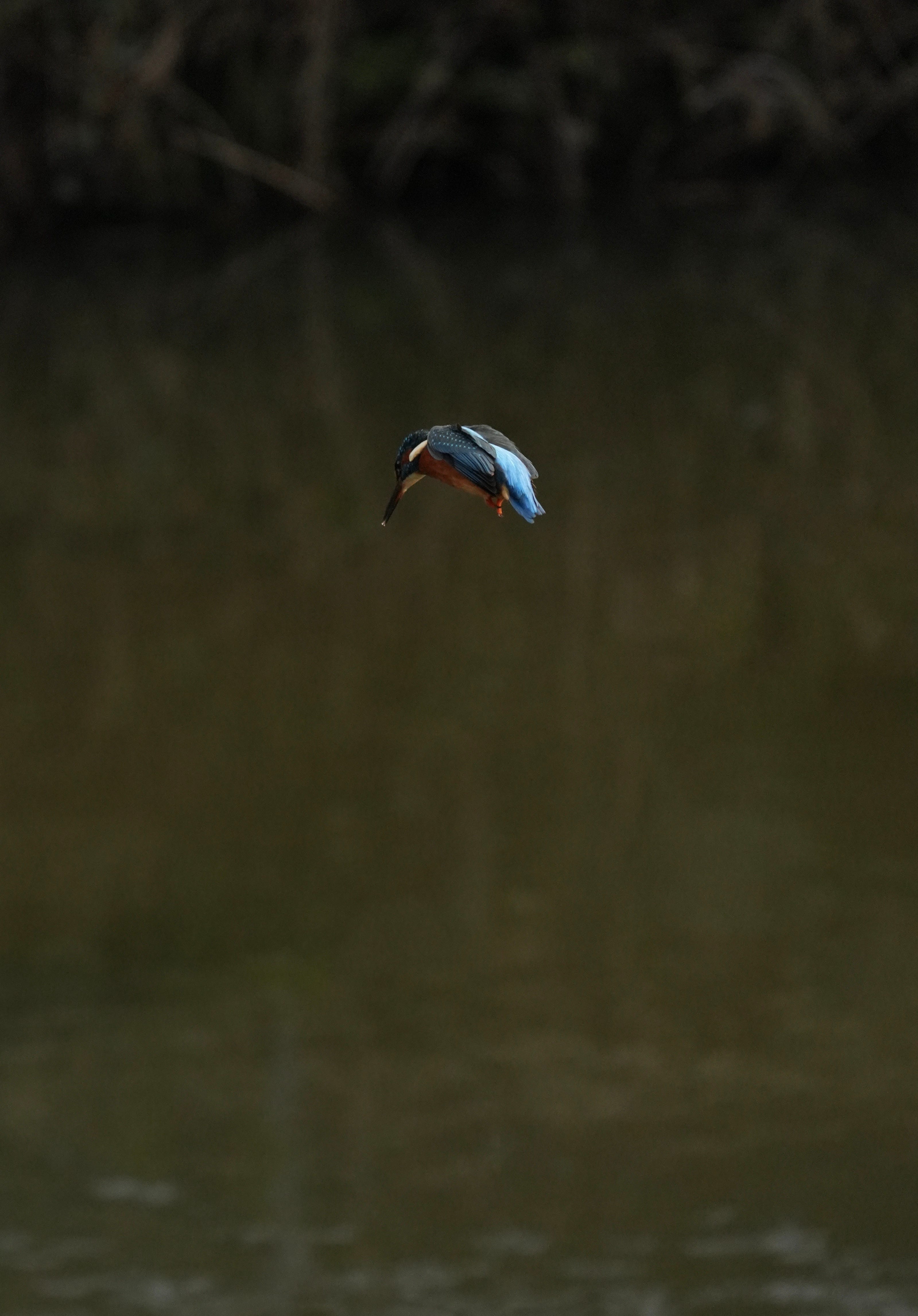
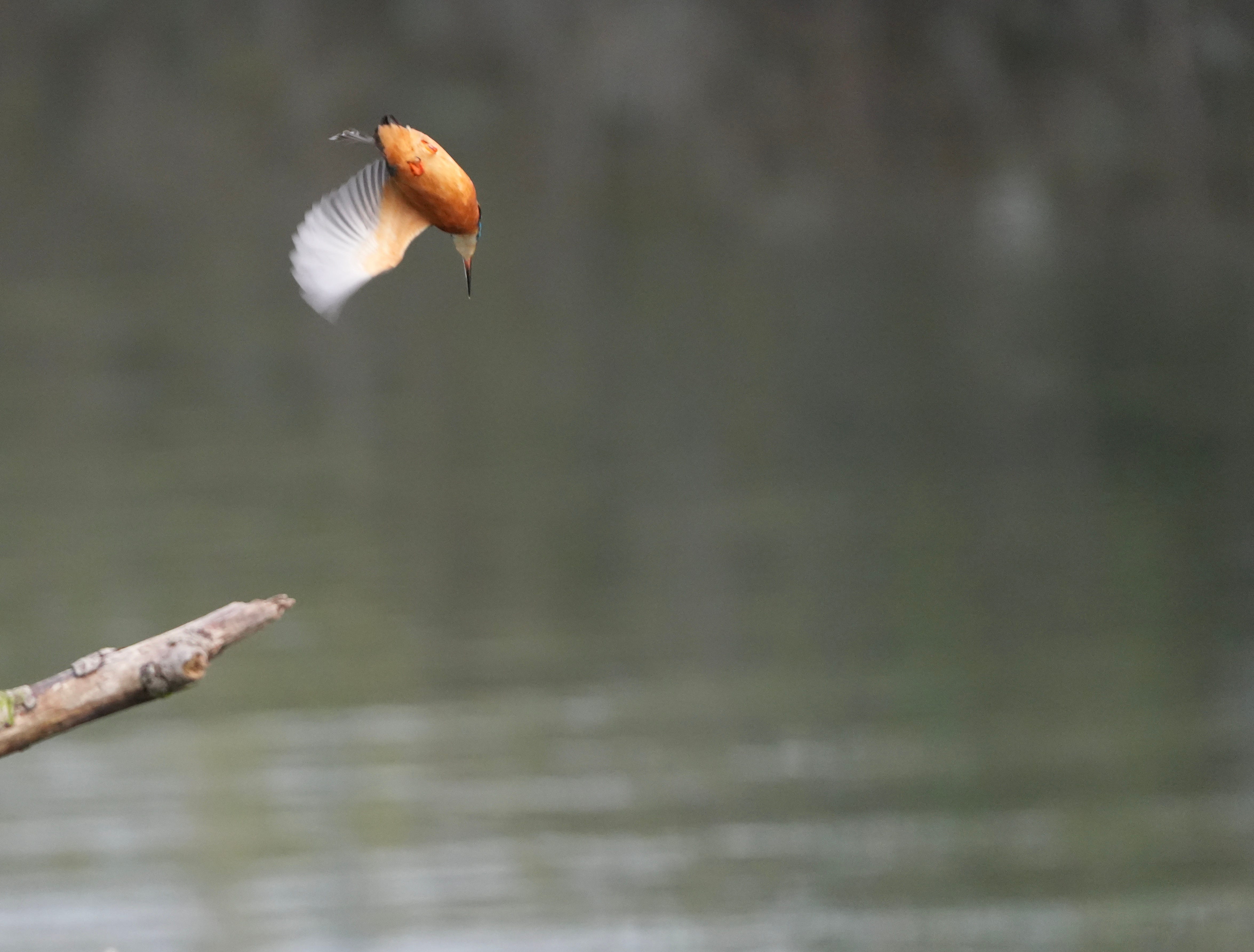
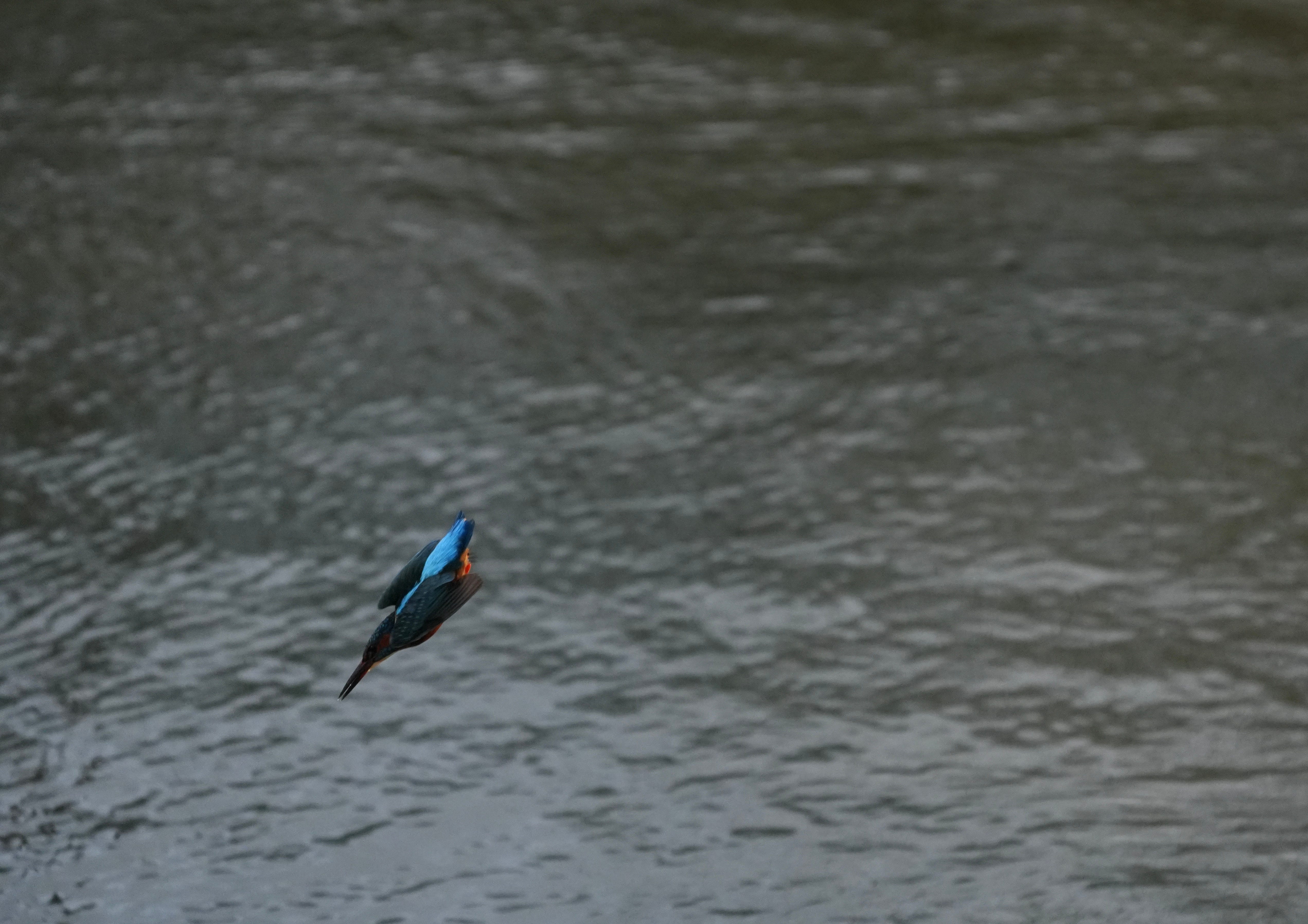
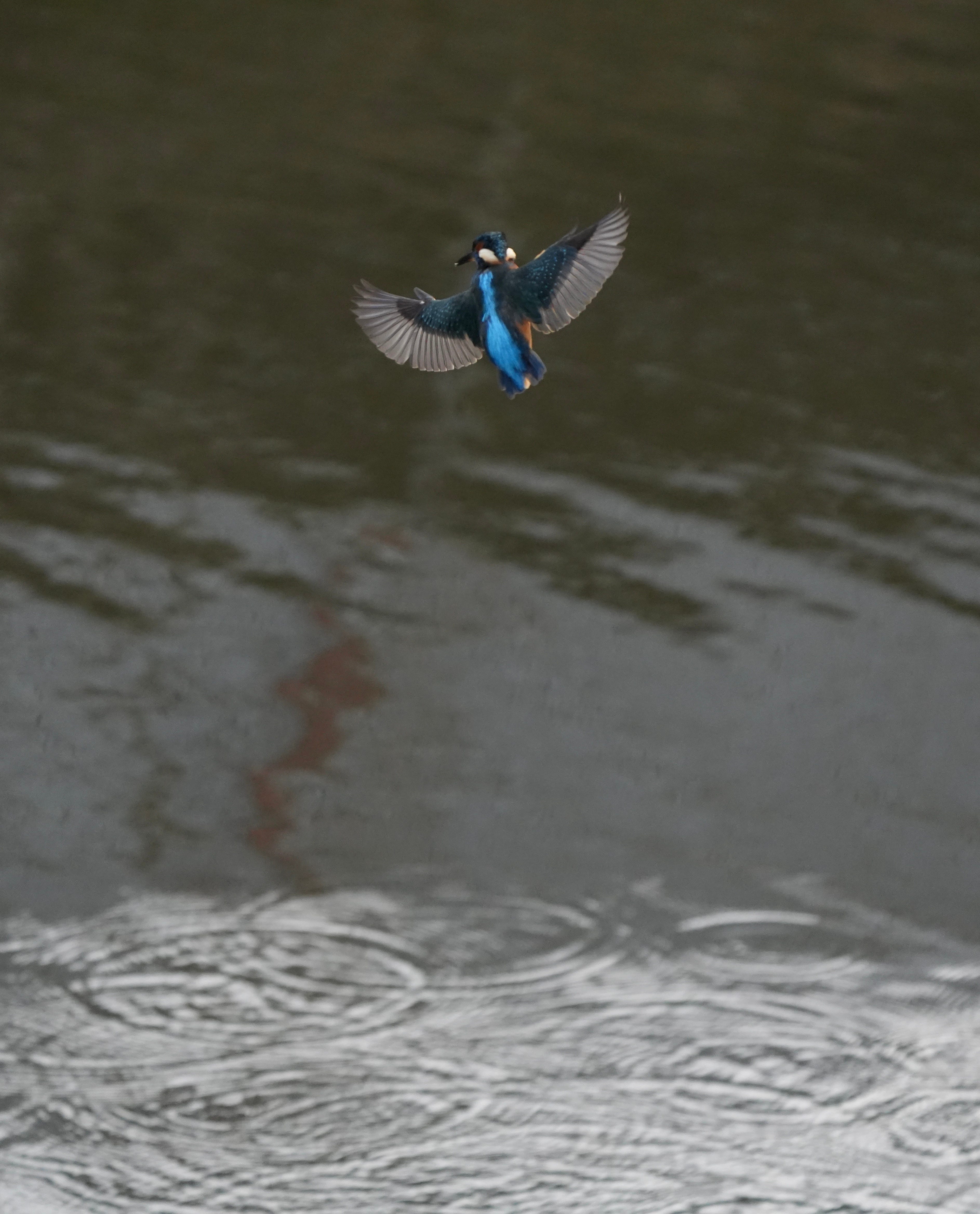
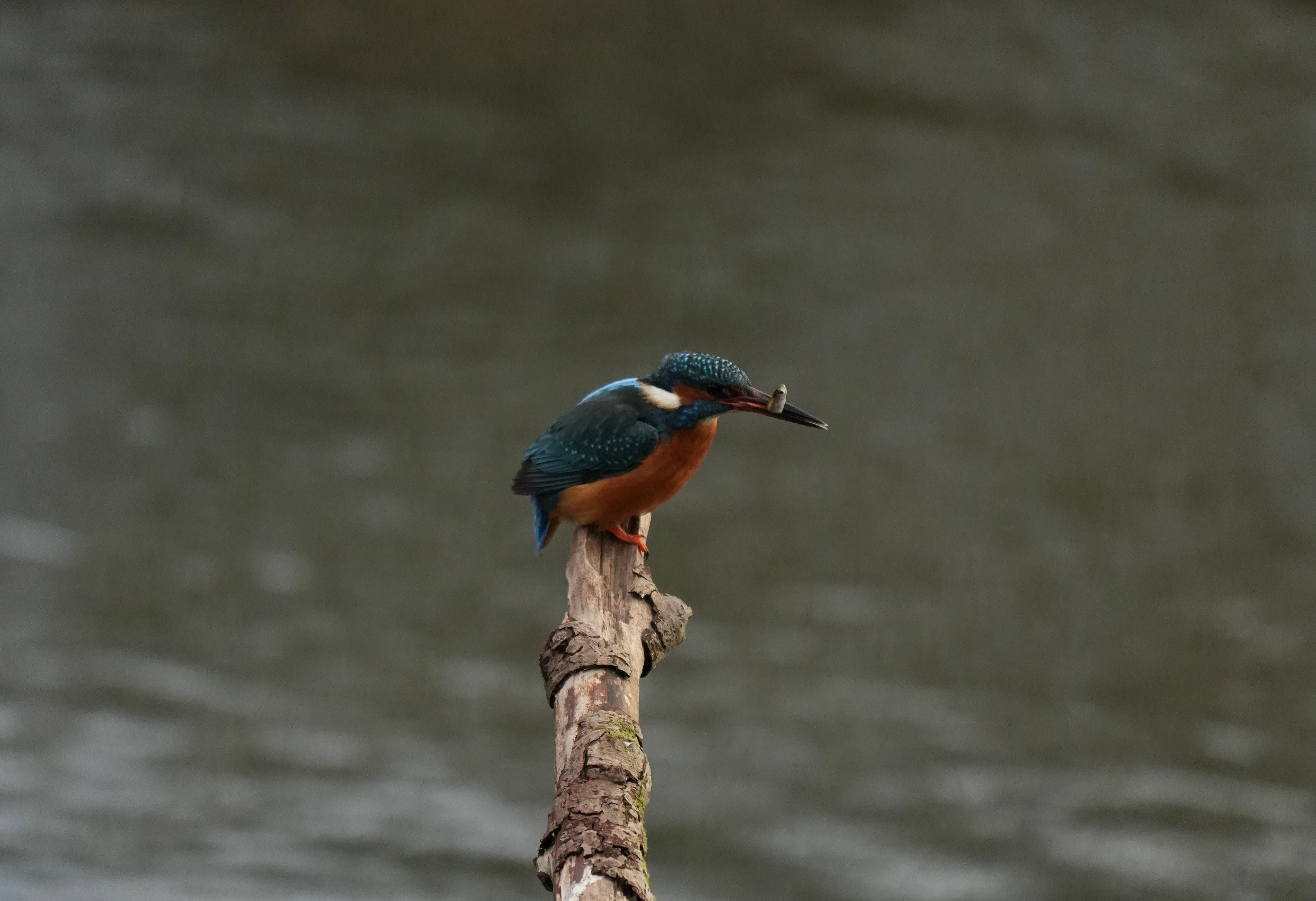
I was surprised by how much the queenfisher ate. She didn’t stop hunting for minnows and small fish for the few hours I was there. Ably spotting and catching a fish at least every 15 minutes, if not more. I suppose kingfishers must expend a lot of energy with their rapid flight, swimming and from the cold water.
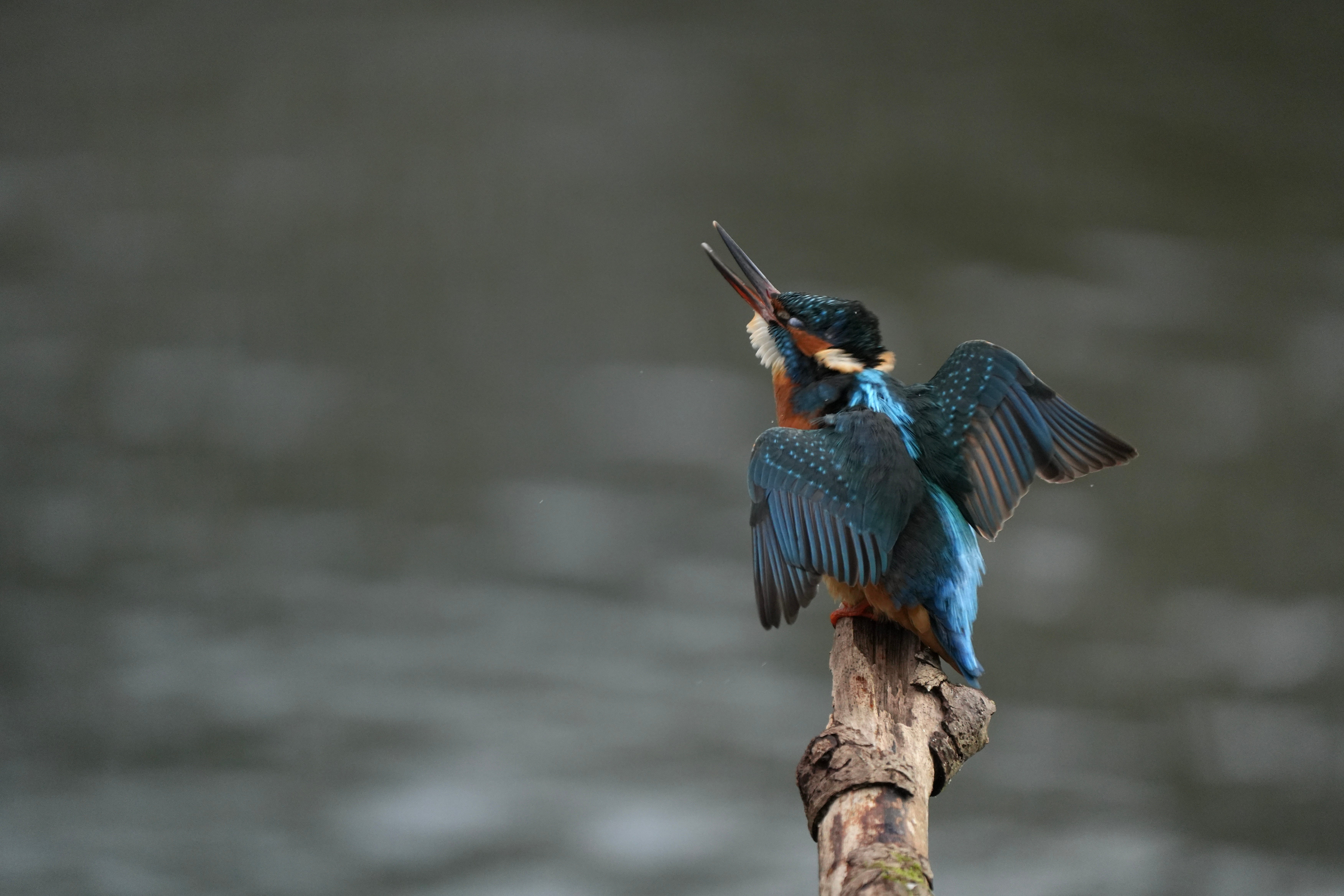
In terms of behaviour, she clearly had known spots where fish congregate and would land on a perch, plunge to catch a fish before carrying it to the other side to knock unconscious against a twig, eat it and then repeat the process. Perching a couple of feet above the water on a placed stick, bramble or hedge.
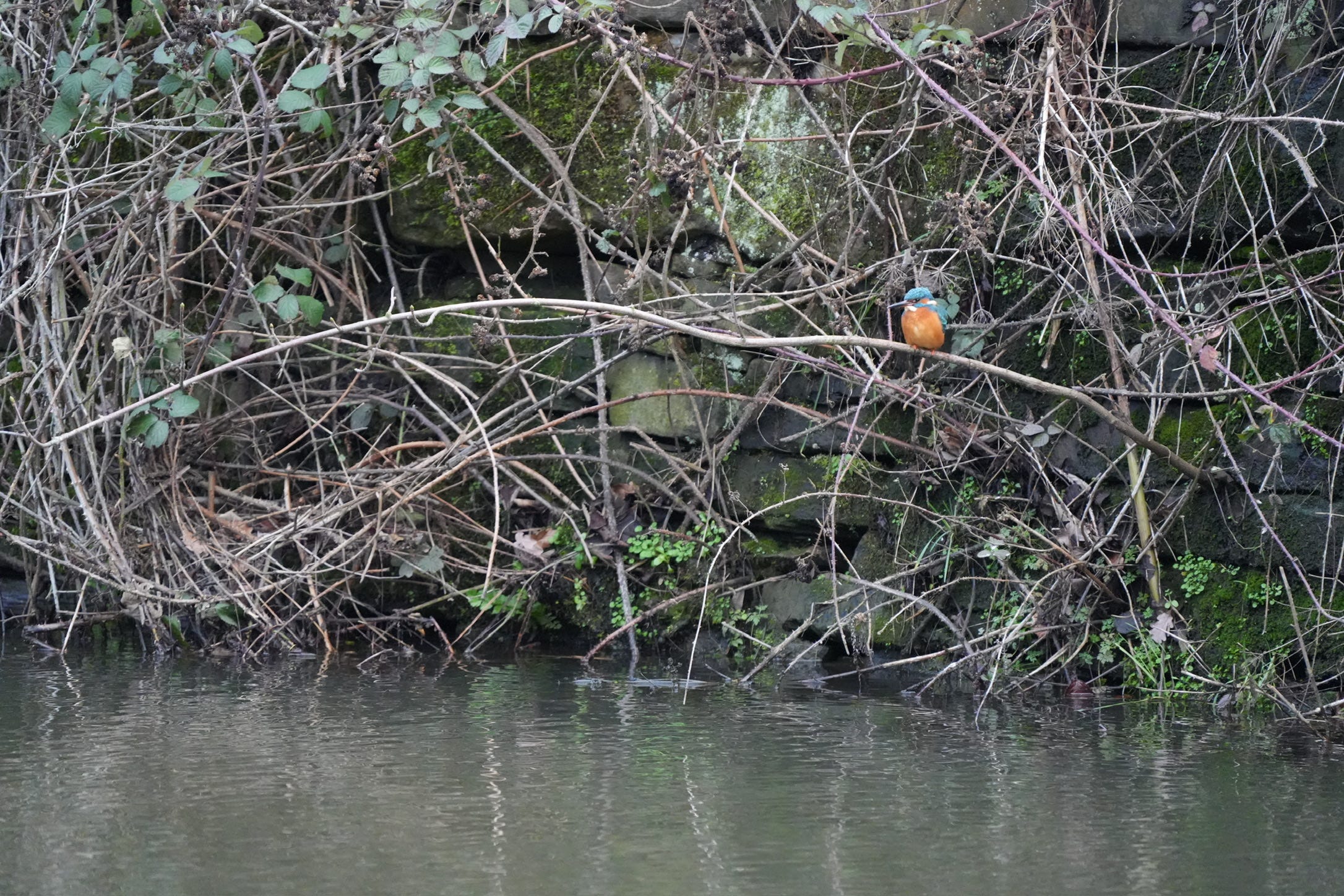
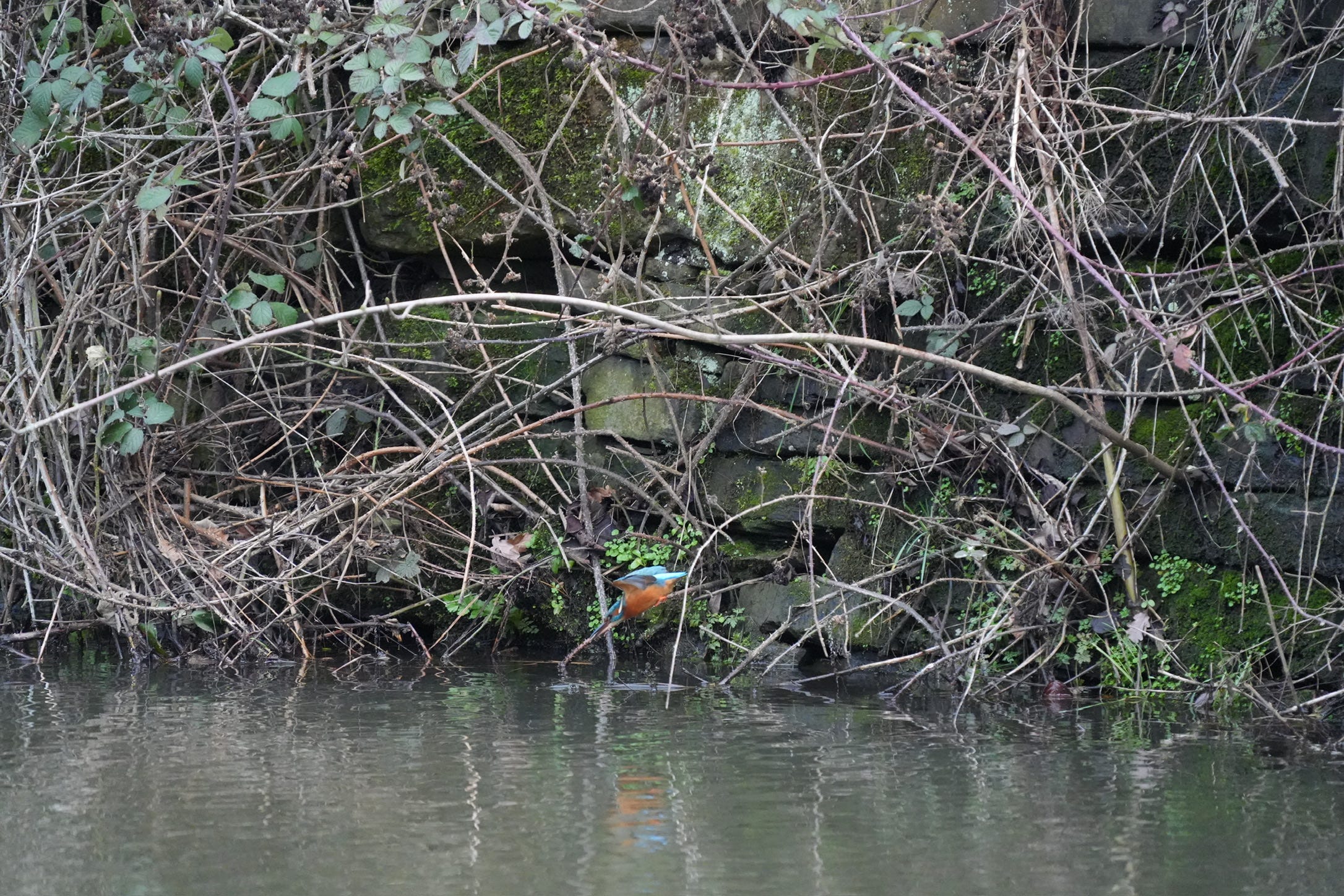
Eventually, she would move on from where we were to neighbouring rivers. Clearly with at least three favourite spots. Before coming back a short time later.
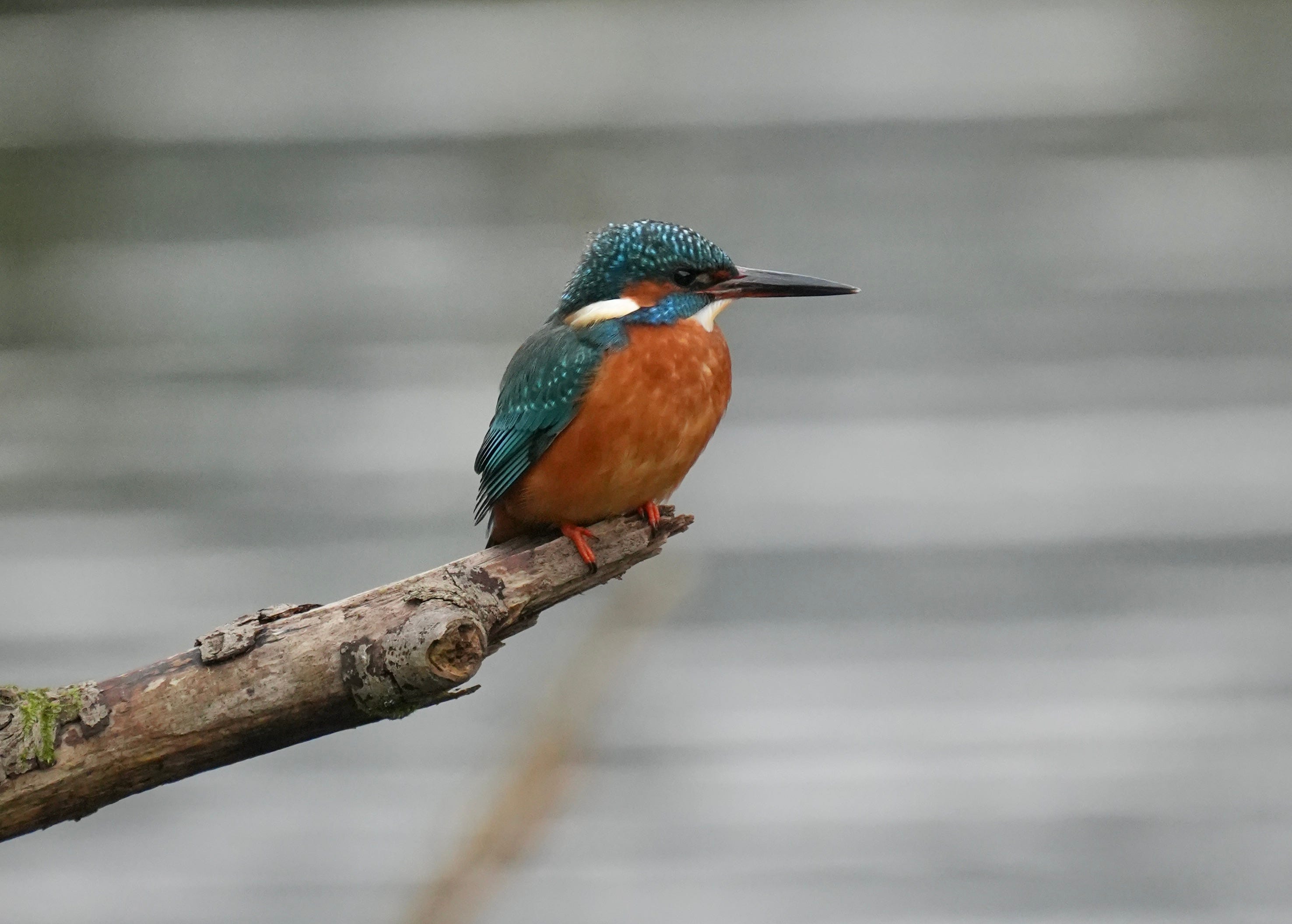
I felt privileged that this little queenfisher felt at ease with the steady stream of walkers and photographers, allowing us to observe her antics. I was also grateful to be around other wildlife enthusiasts who taught me about kingfishers and also tips on photography.
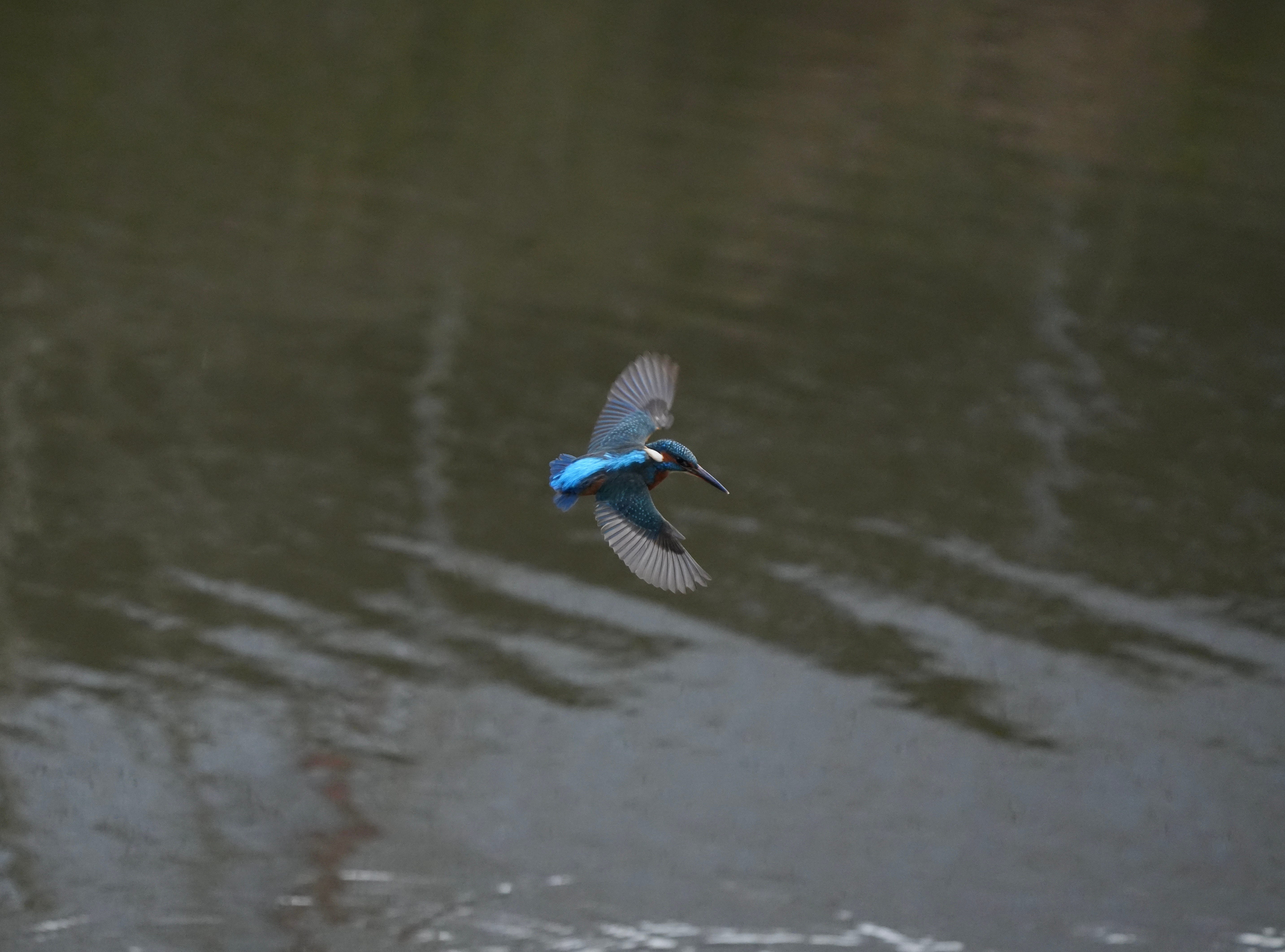
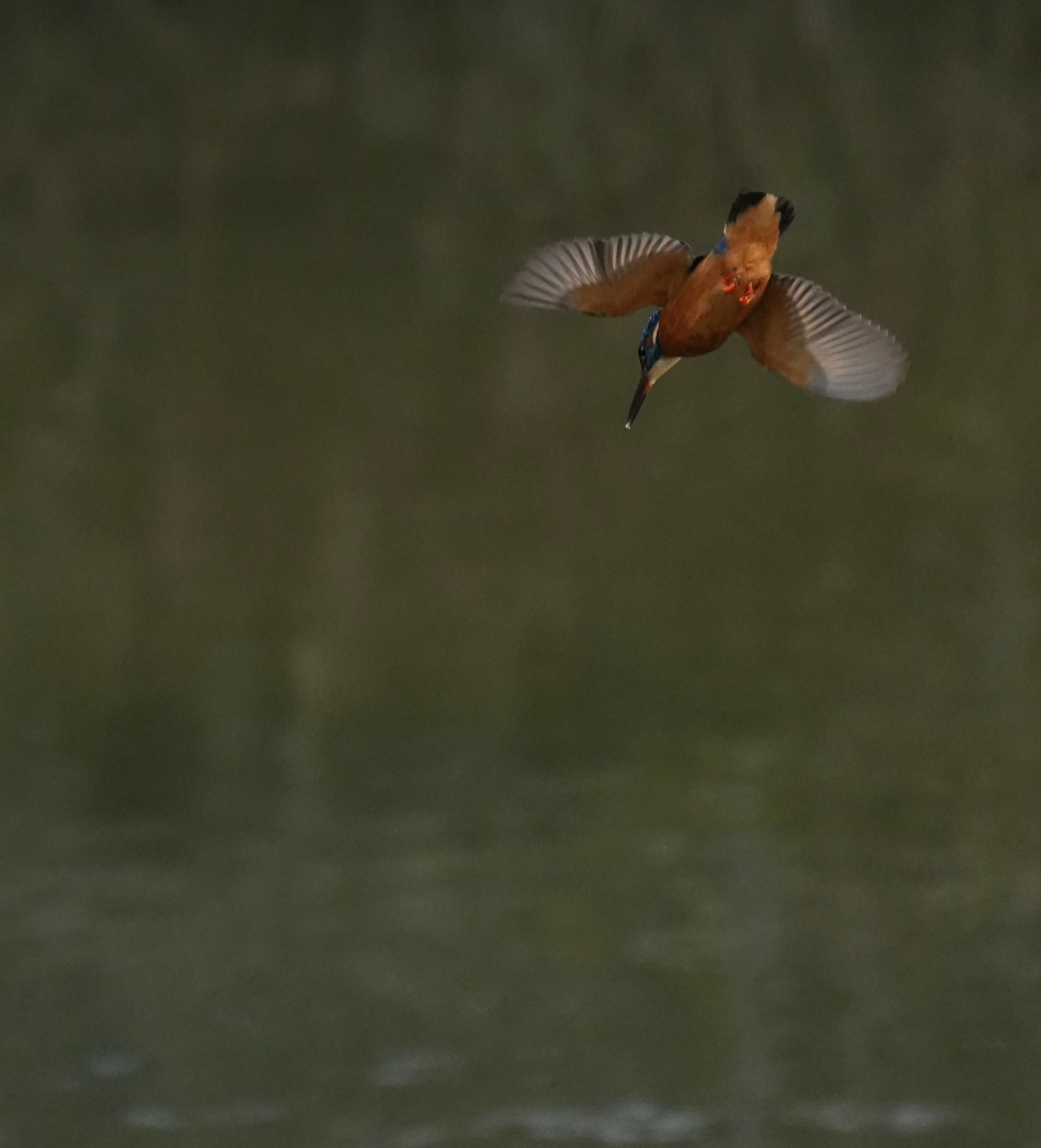
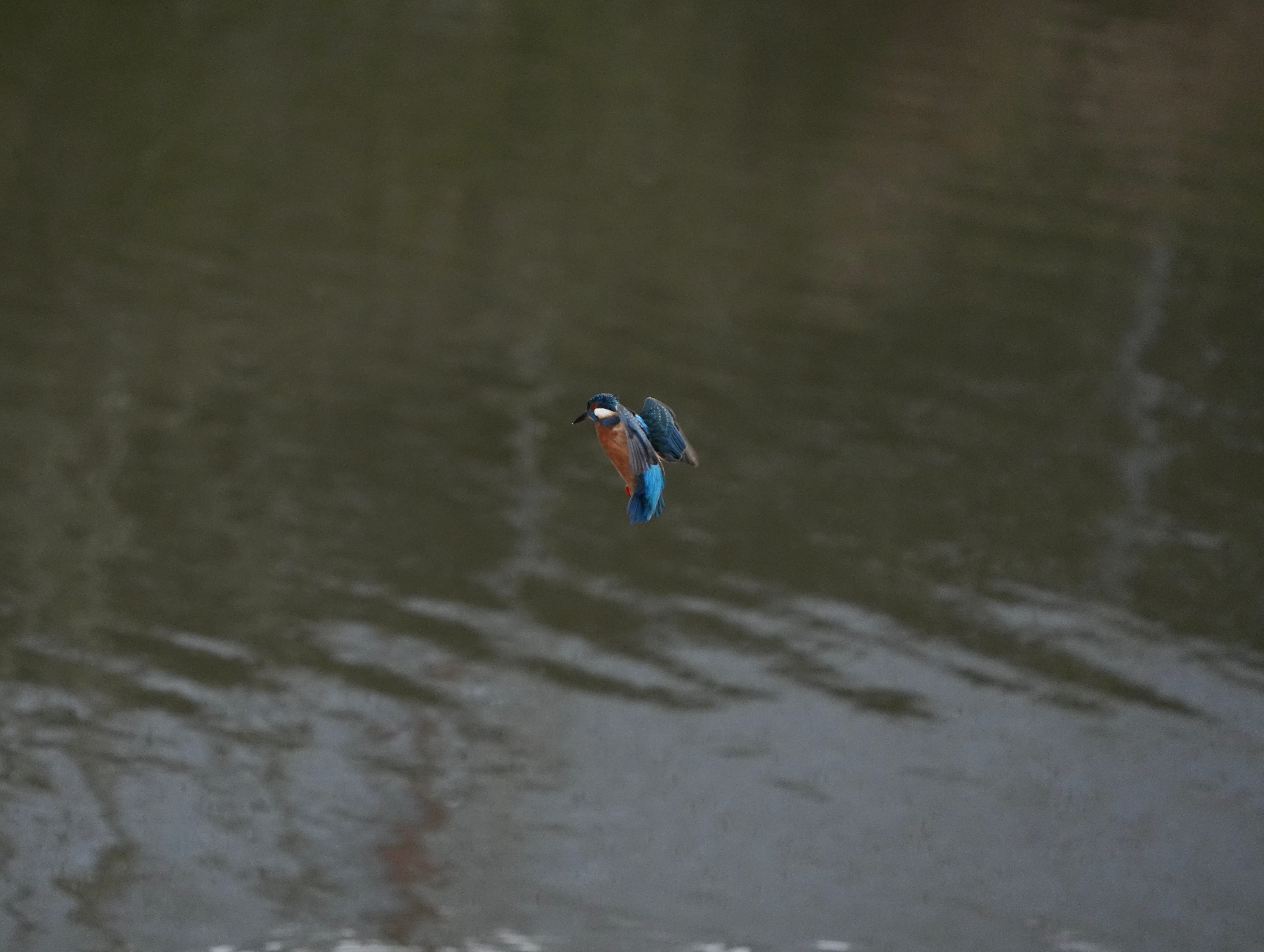
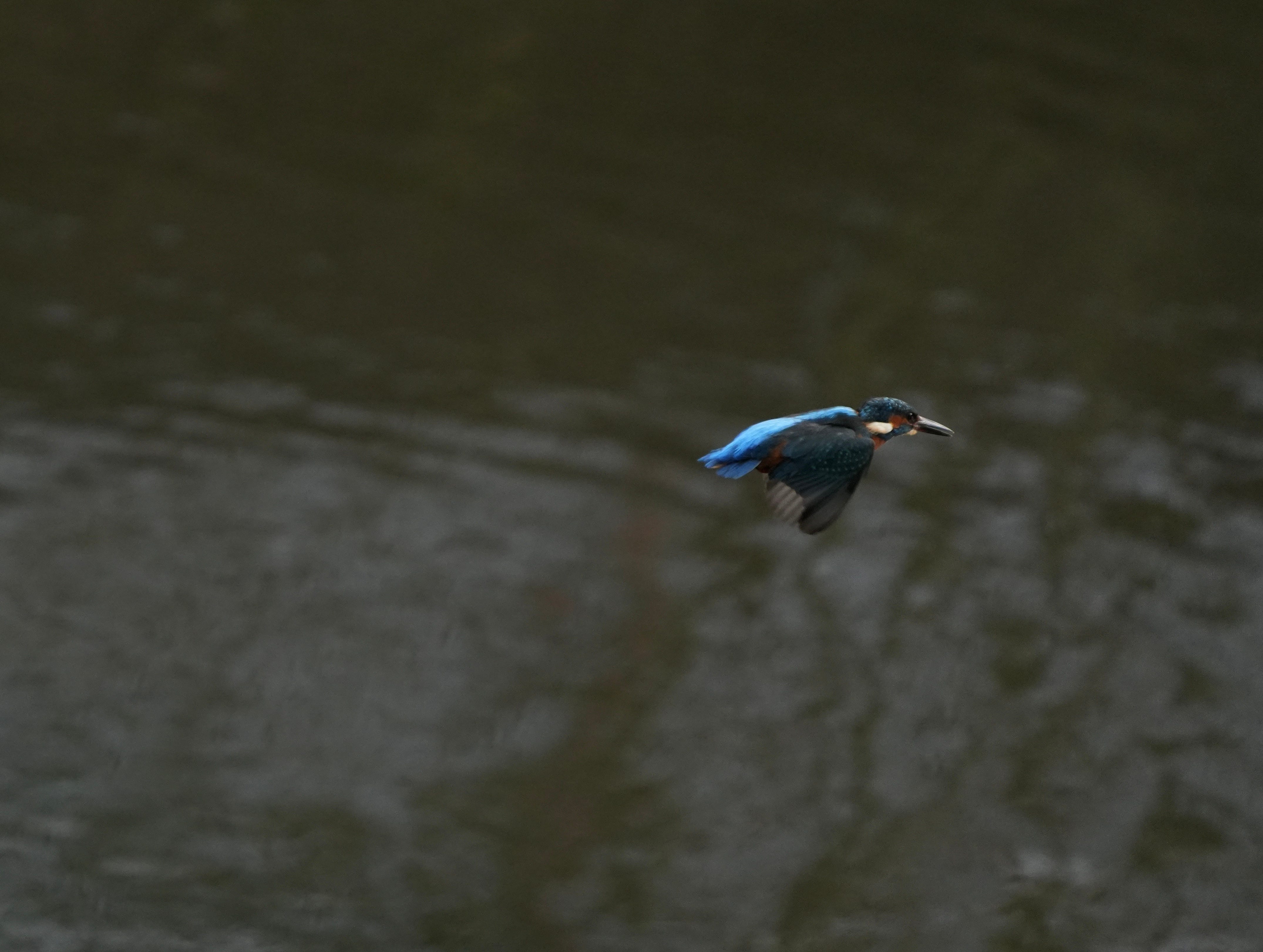
A friendly photographer (thanks Darren!) helped with my settings and told me that kingfishers nest in the ground on steep muddy banks, similar to puffins. I had no idea they did that, it was a day of learning about both kingfishers and photography. According to the Woodland Trust, kingfishers can lay up to 7 eggs in a clutch and have multiple broods a year. Though they are susceptible to very cold winters and polluted rivers.
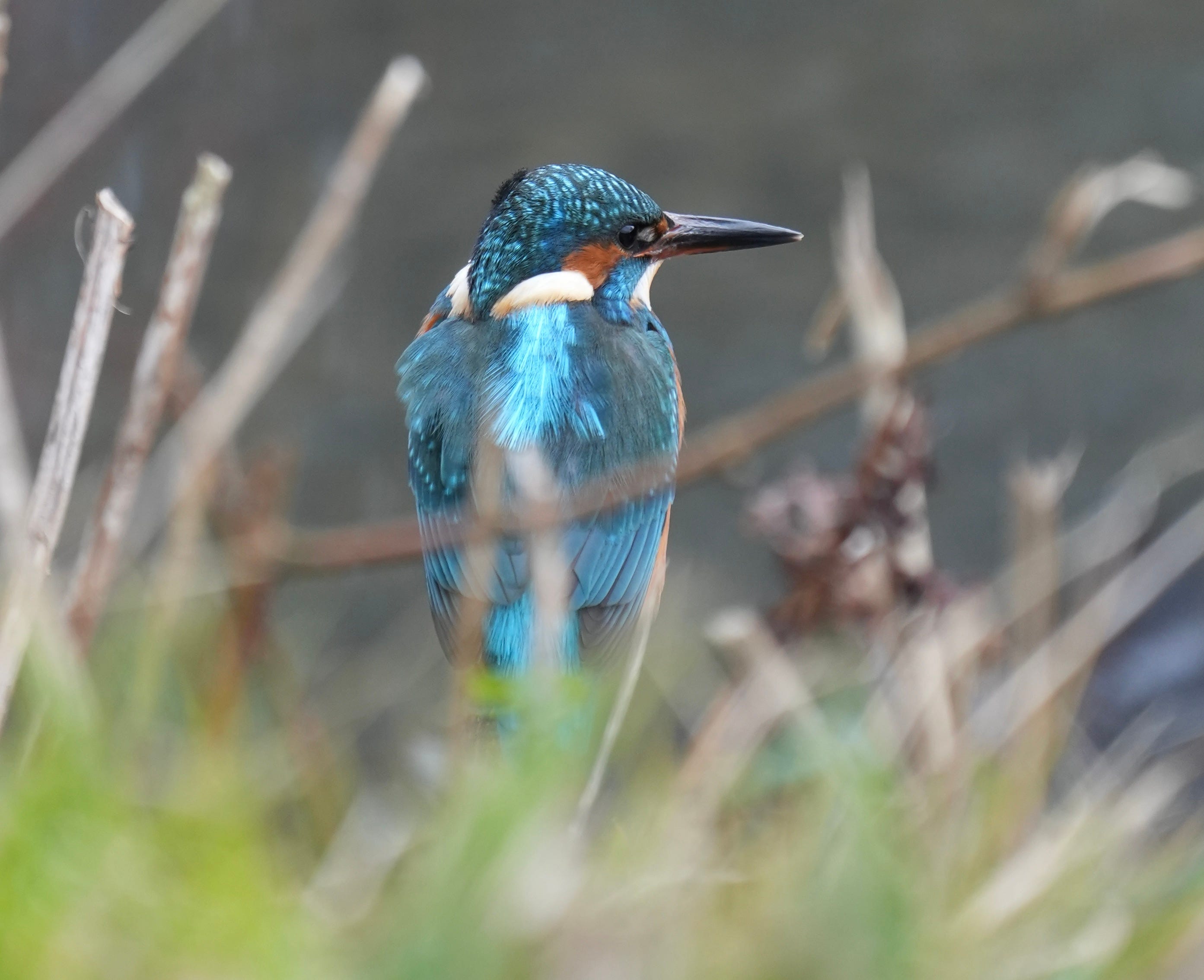
When I eventually tore myself away I overheard one lady out for a walk say, “I’m 63 and that’s the first time I’ve seen a kingfisher”. The wonder of this close encounter felt by everyone entranced by this beautiful little bird happy to share her spot in the wild.
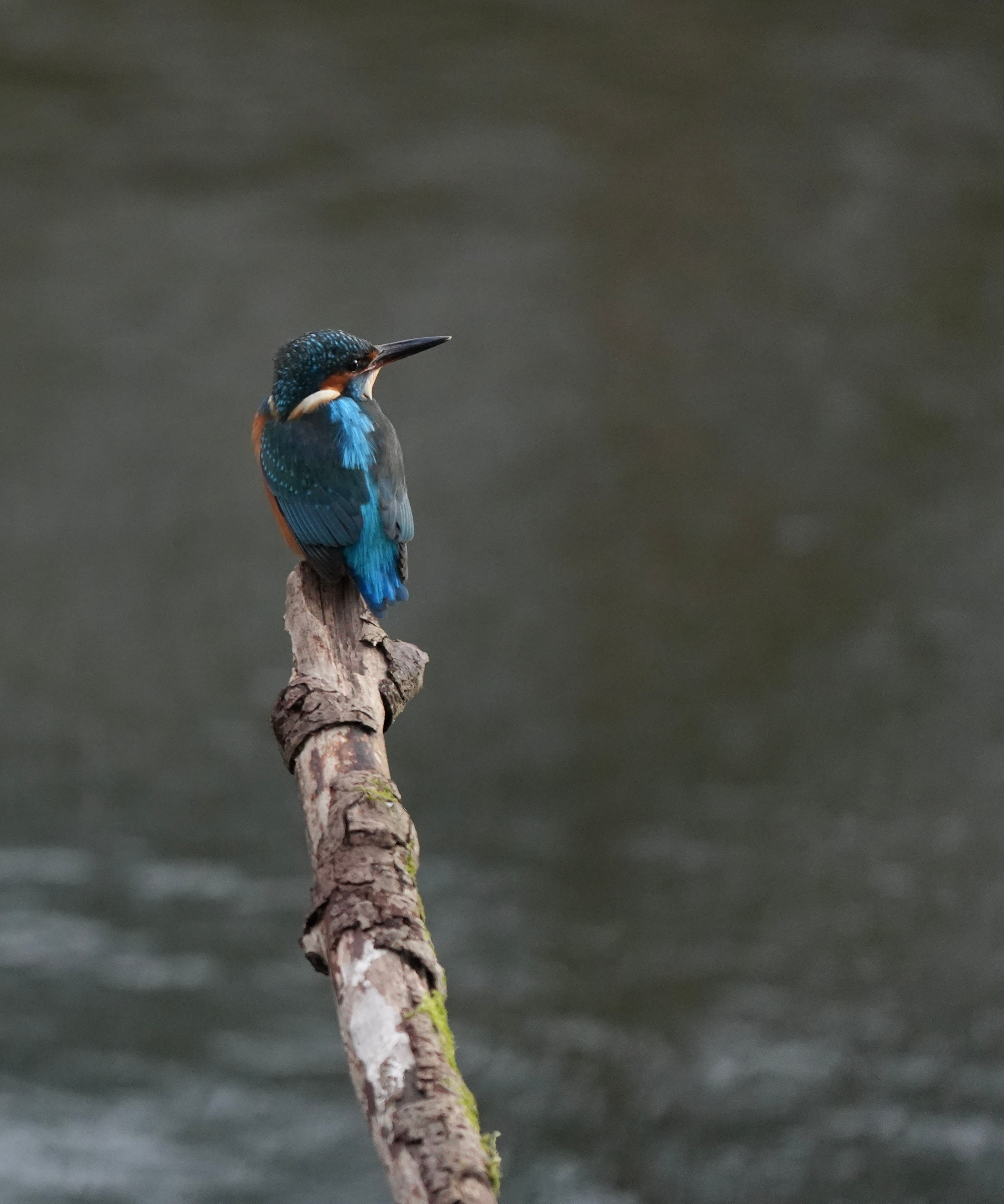

Dear Jack, I absolutely love that you wrote a complete essay on spending an afternoon noodling about on a riverbank being amazed by a kingfisher and all about how you learned to take photos and her habits and livelihood. It's the absolute best thing I have read all week because your joy spread out into the world, infecting other people with itself! (Yorkshire expat!)
Stunning photos!