

Parc aux Angéliques in Bordeaux, France
Wilding used to create a more natural version of New York's Highline in southern Europe
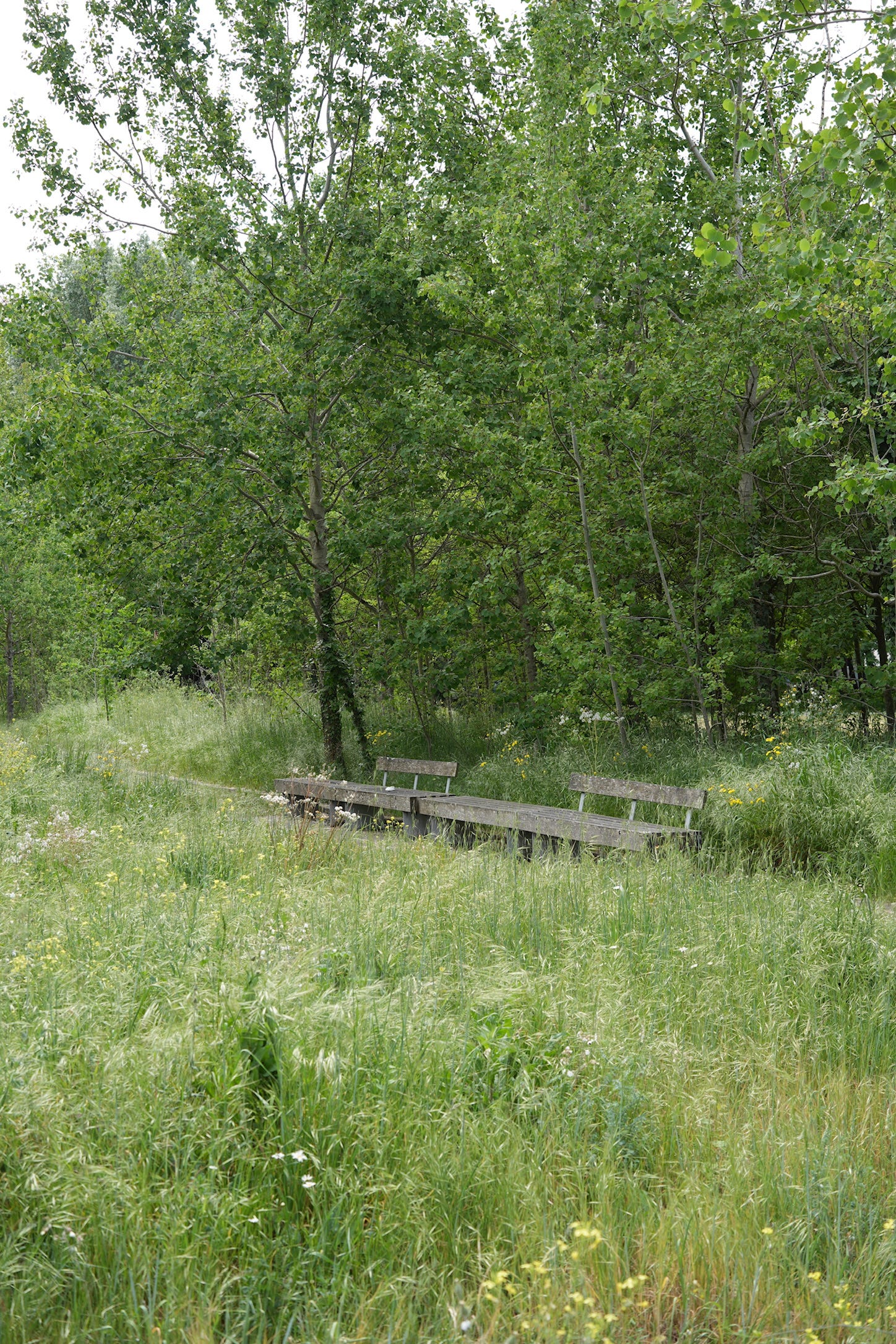
In Bordeaux we discovered an incredible wilding project along the right hand bank of the Garonne river. We’d been looking at the lush green bank from the beautiful old city, assuming it was a disused industrial area. In fact, while that is partly true, it has been reclaimed by the city’s people with landscape architect Michel Desvigne at the helm.
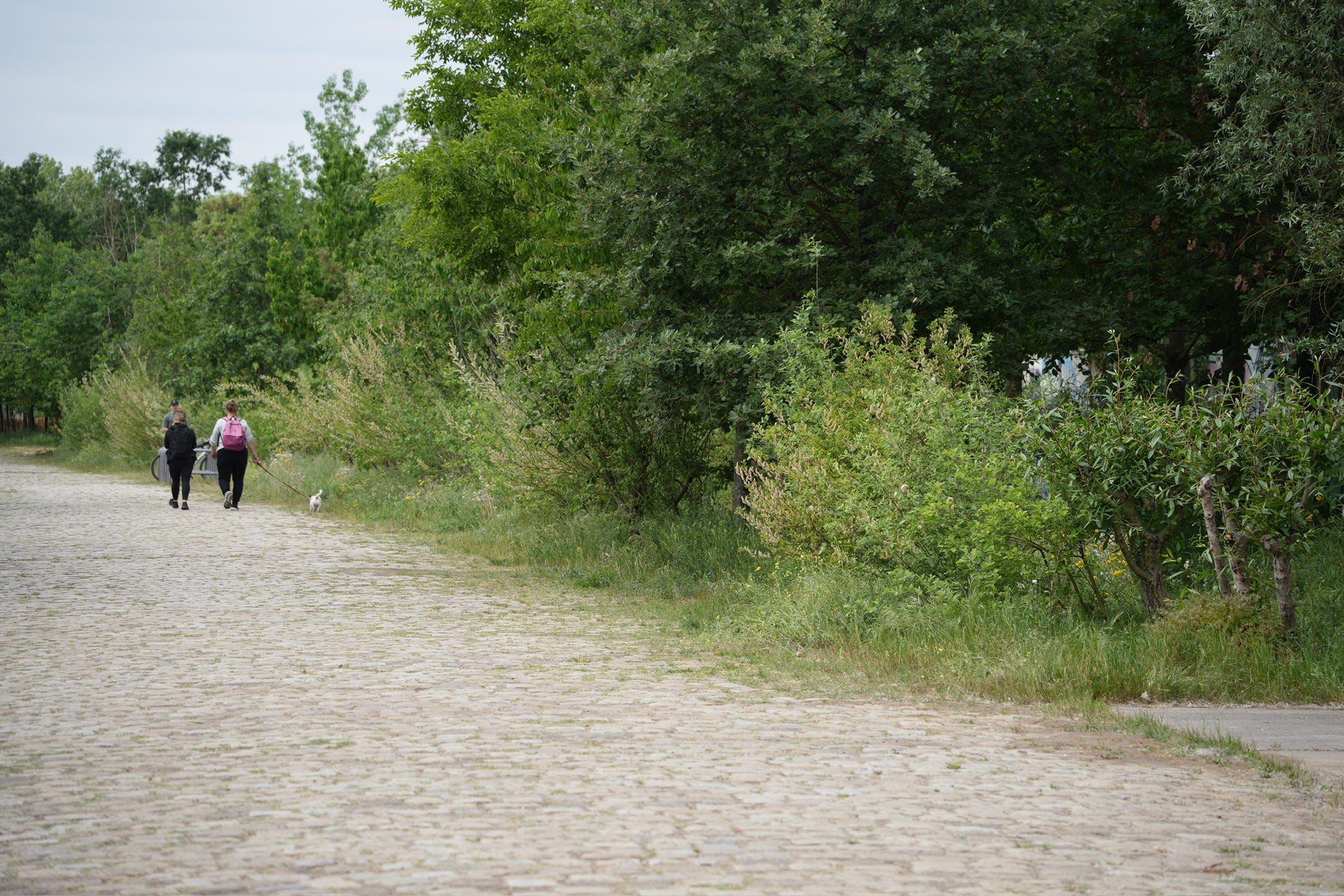
Essentially Parc aux Angéliques is a 3.5km walk through 75 hectares of park land that is being allowed to return to a natural state. Some areas are closed off to the public - though still visible - to allow native wildflowers to return.
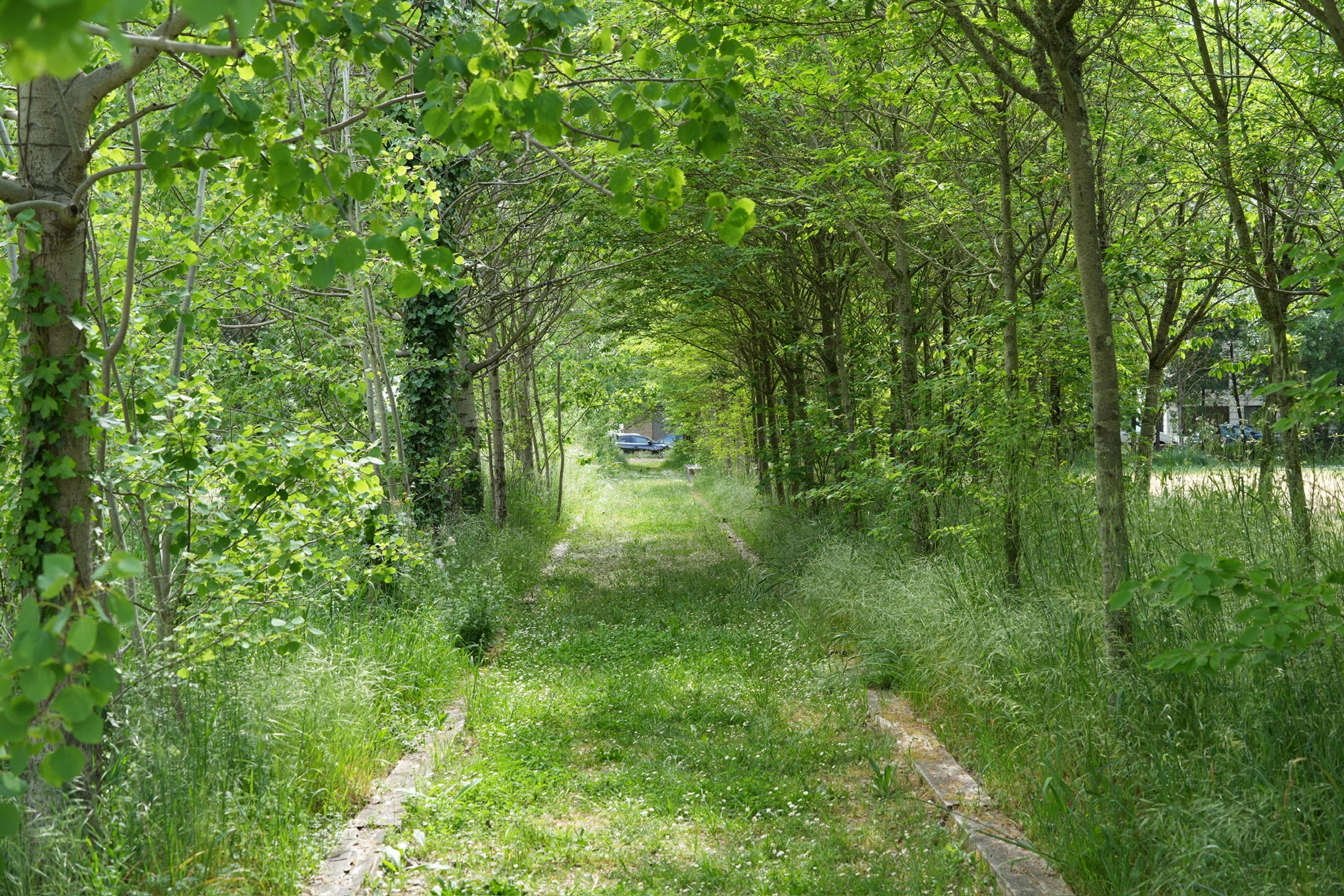
Parc aux Angéliques is named after wild angelica which is native to the city and it is a breath of fresh air. It feels so contemporary, so cutting edge and is incredibly beautiful. Hundreds of residents and visitors were walking, running and cycling up and down the main path. Stopping off to use outdoor gyms, basketball courts or to simply sit on the modern benches.
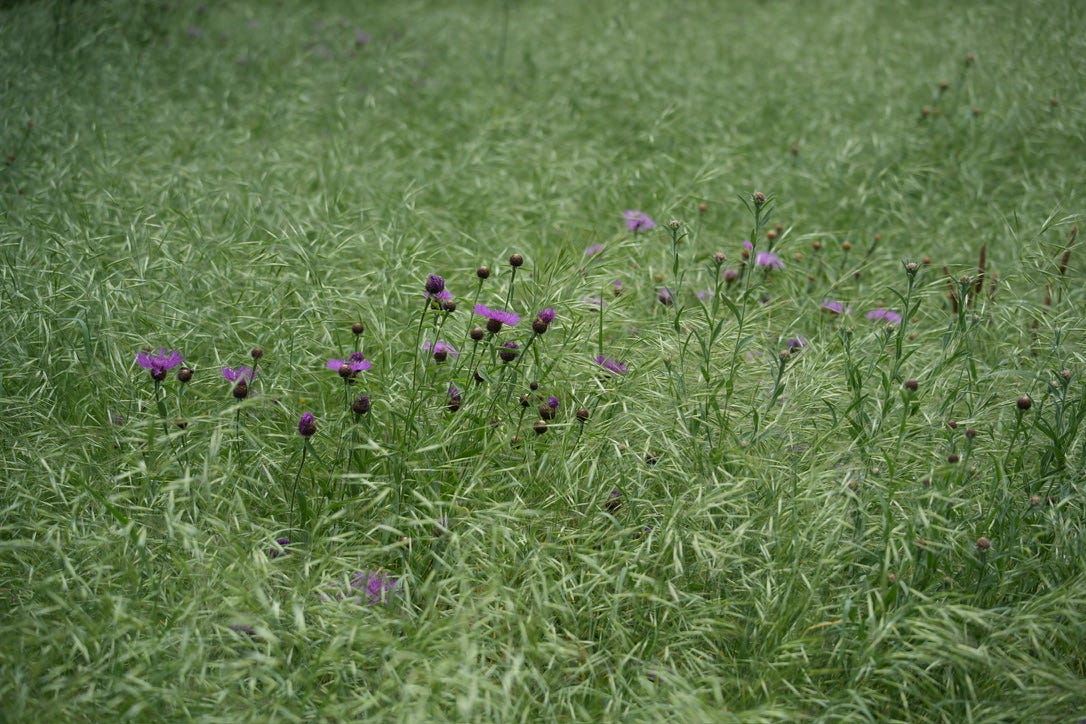
Some areas have mown grass but much has been left as delicate grassland. Everything is so light and airy, and very green after walking the beautiful but stone streets. I can imagine how important this fairly new park is to people who live in the city.
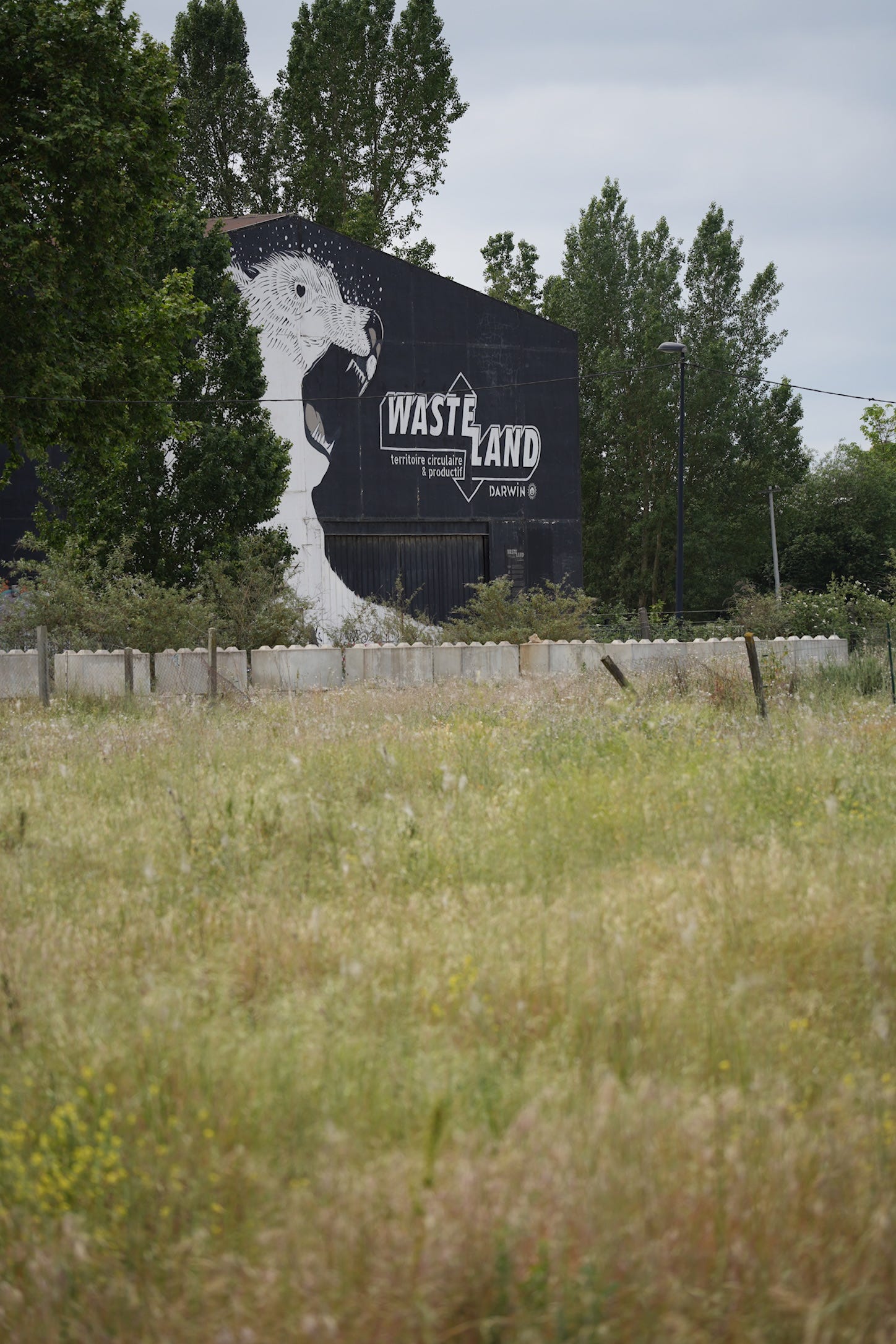
The most notable thing to me as a planting planner, is that trees are being used to create shade. With the current interest in climate change gardens in the UK, I would suggest this approach is far more interesting than aggregate mulches.
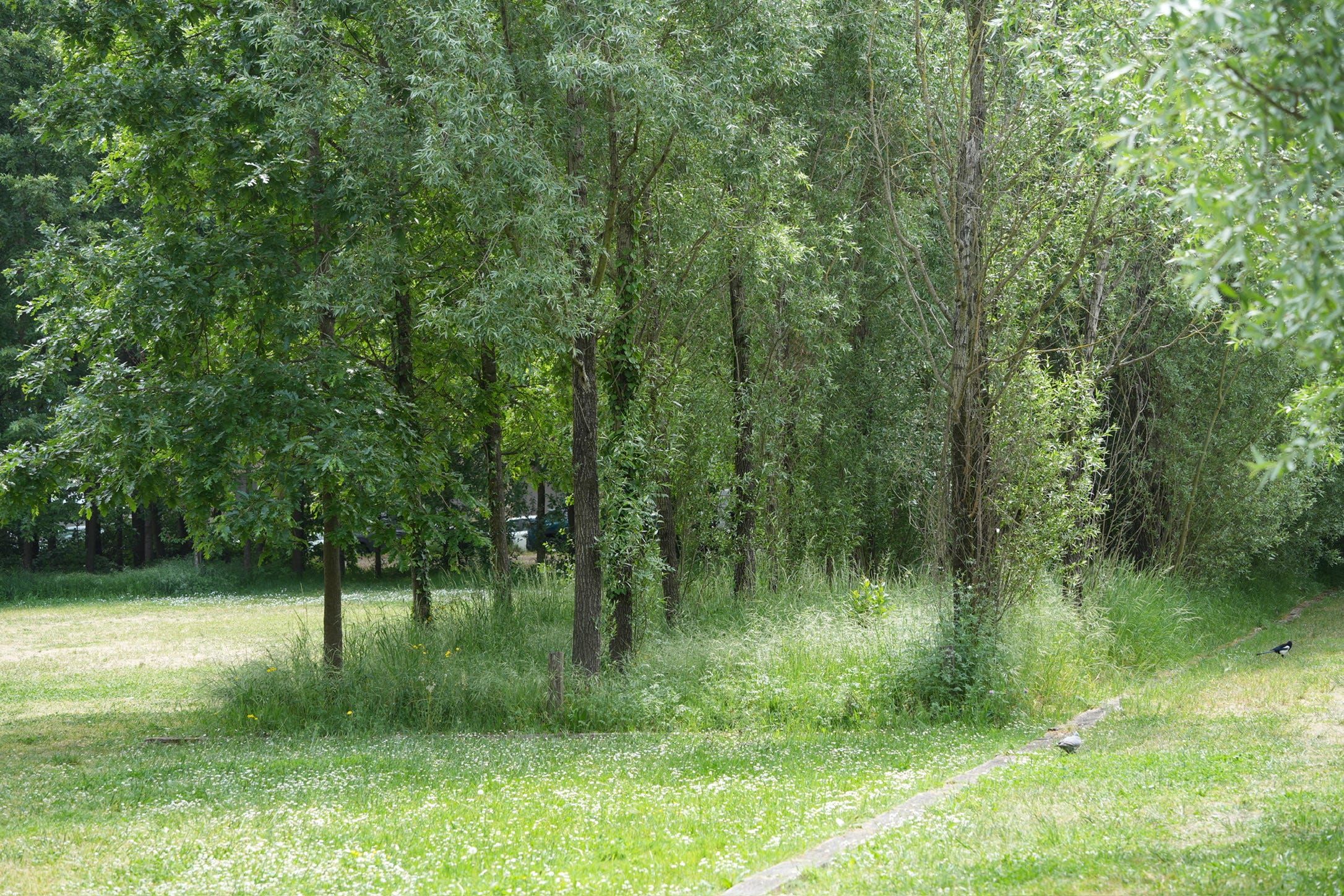
All manner of deciduous trees bring lots of shade to cool everyone during the heat of the day. With areas left for full sun, creating a mosaic of habitat. By interspersing low cut grassland with long, it allows light in on some sides for sun loving plants, and shade loving on the opposite side.
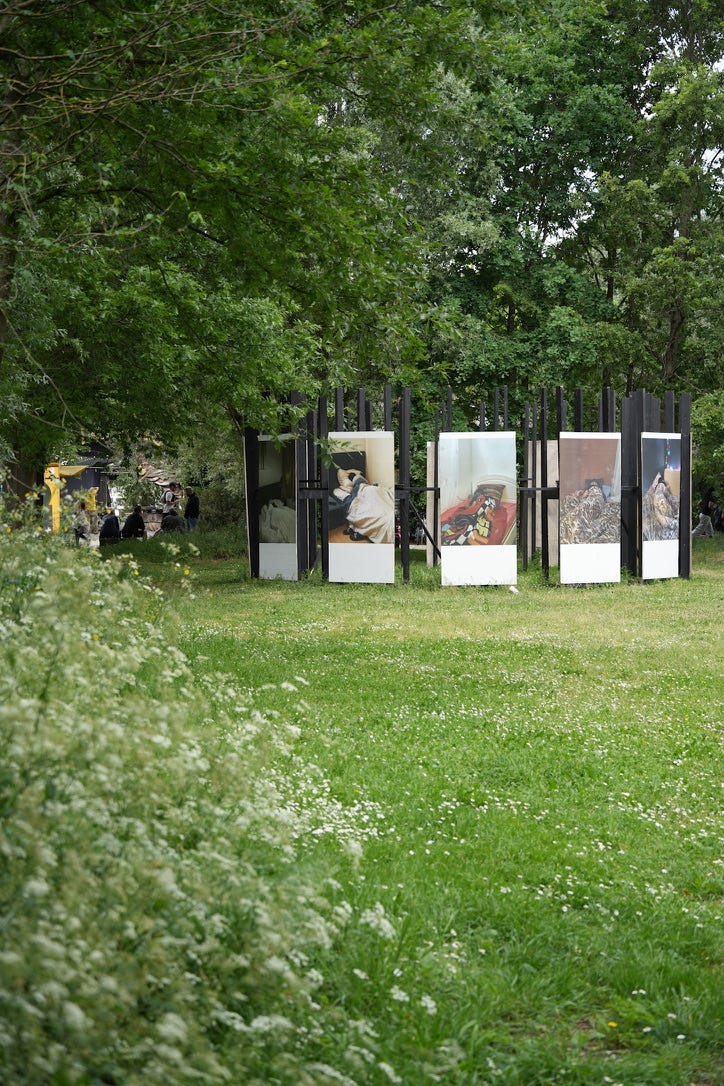
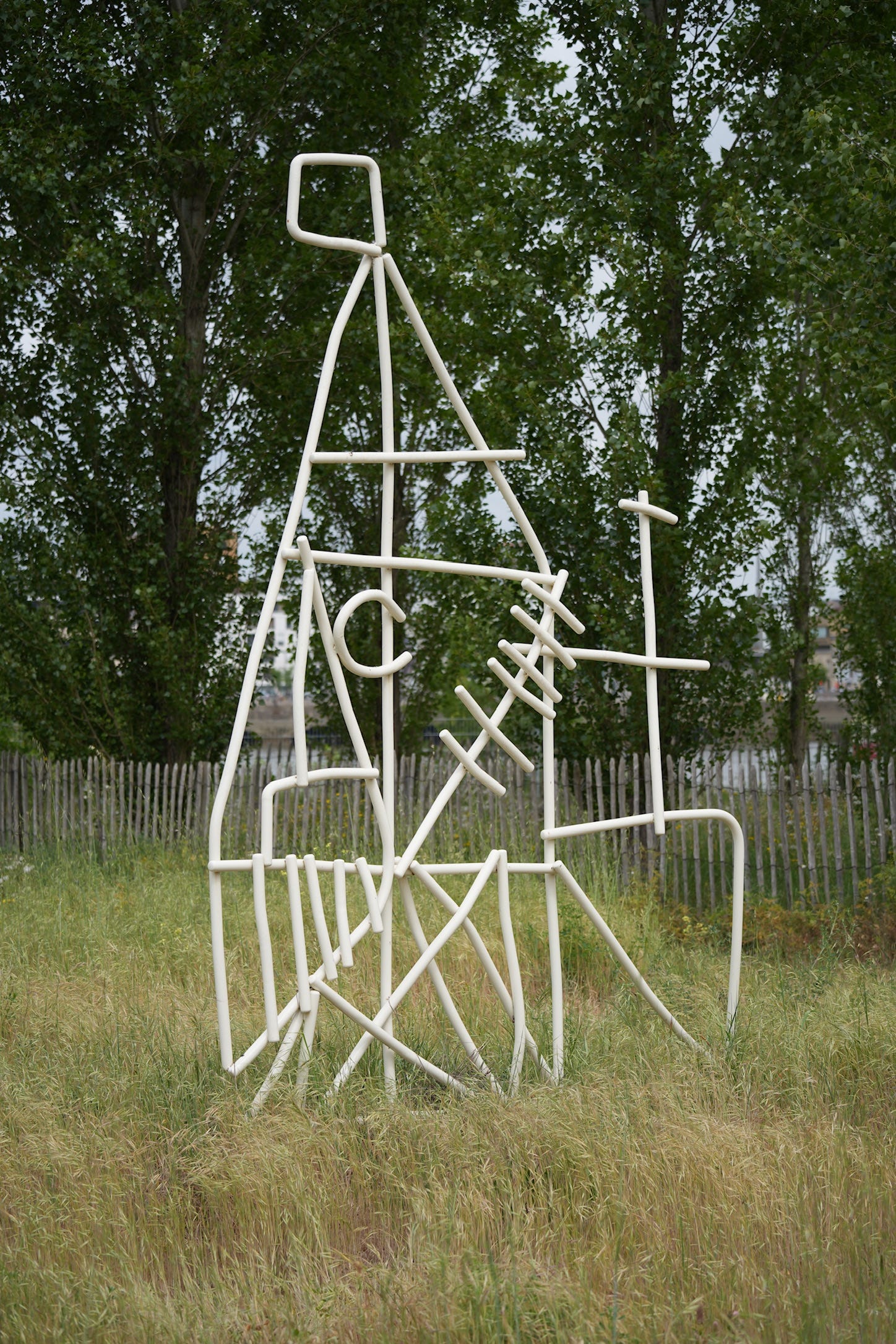
Occasional art installations make the most of the natural backdrop. It’s all so stylish in the way France does so incredibly well.
At one end are swales, sunken planting areas where rain water can runoff and drain slowly into soil. This helps prevent or reduce flooding. These have been more intentionally planted with a mix of colourful wildflowers
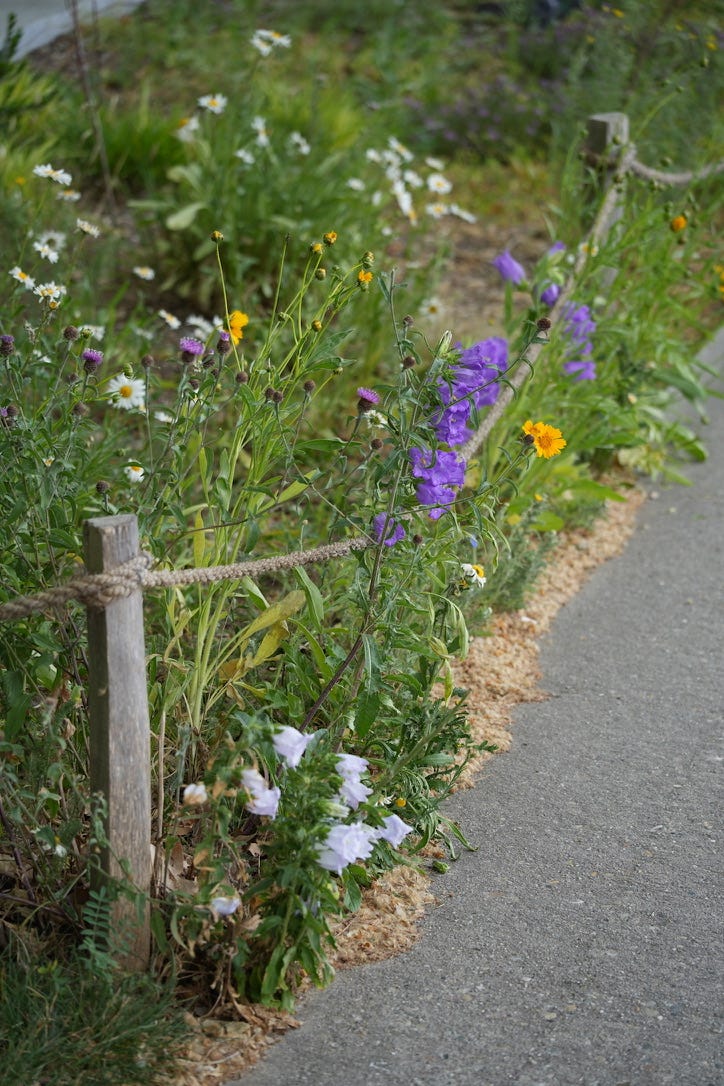
When we visited in late-April the spring flowering had largely finished as much of the habitats were entering a summer dormancy. In the south of France, it’s autumn, winter and spring that tend to be the most verdant.
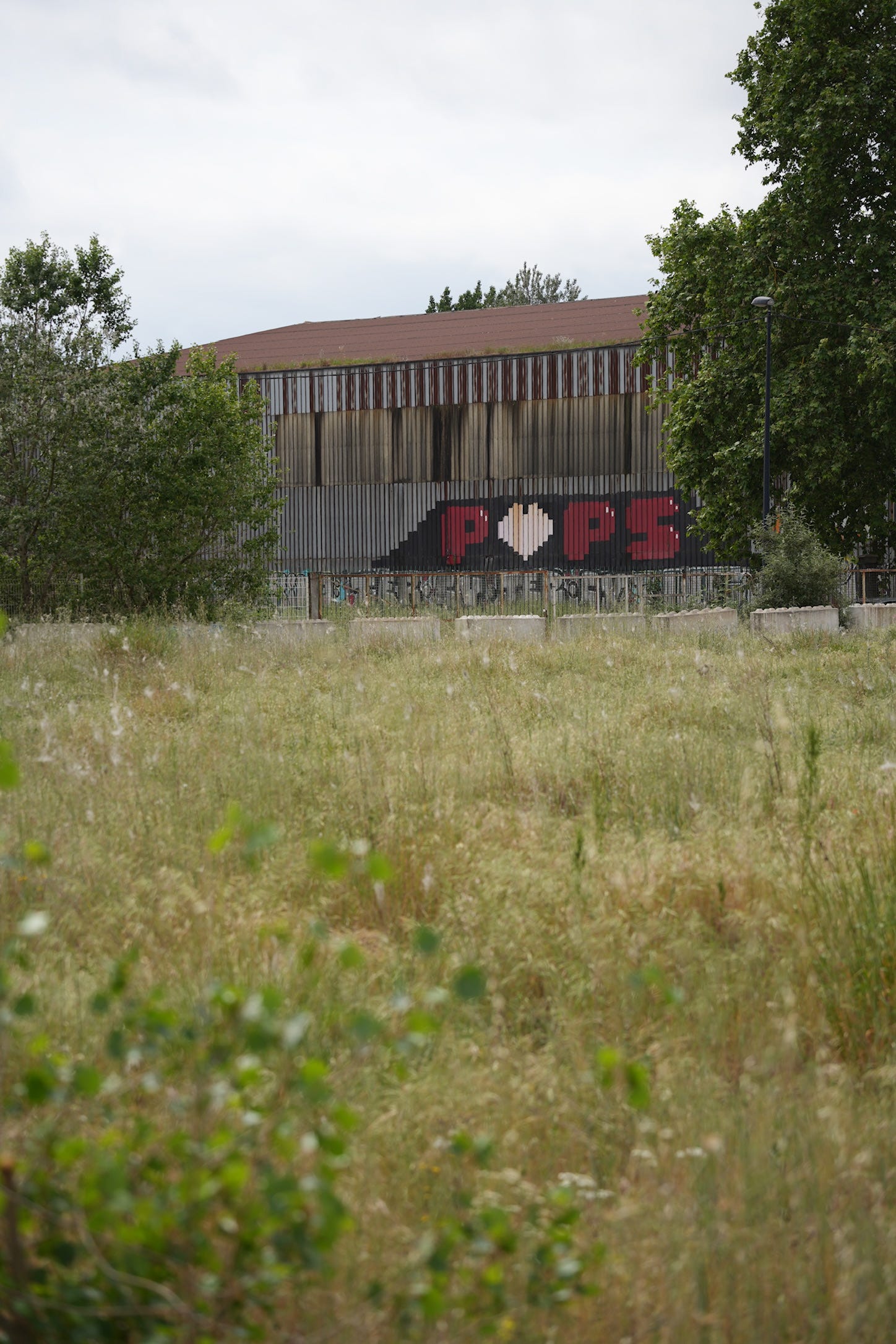
But there was still plenty of colour to be spotted and the variety of species is already impressive. The city plans to nurture the park to increase biodiversity in a gentle way over time.
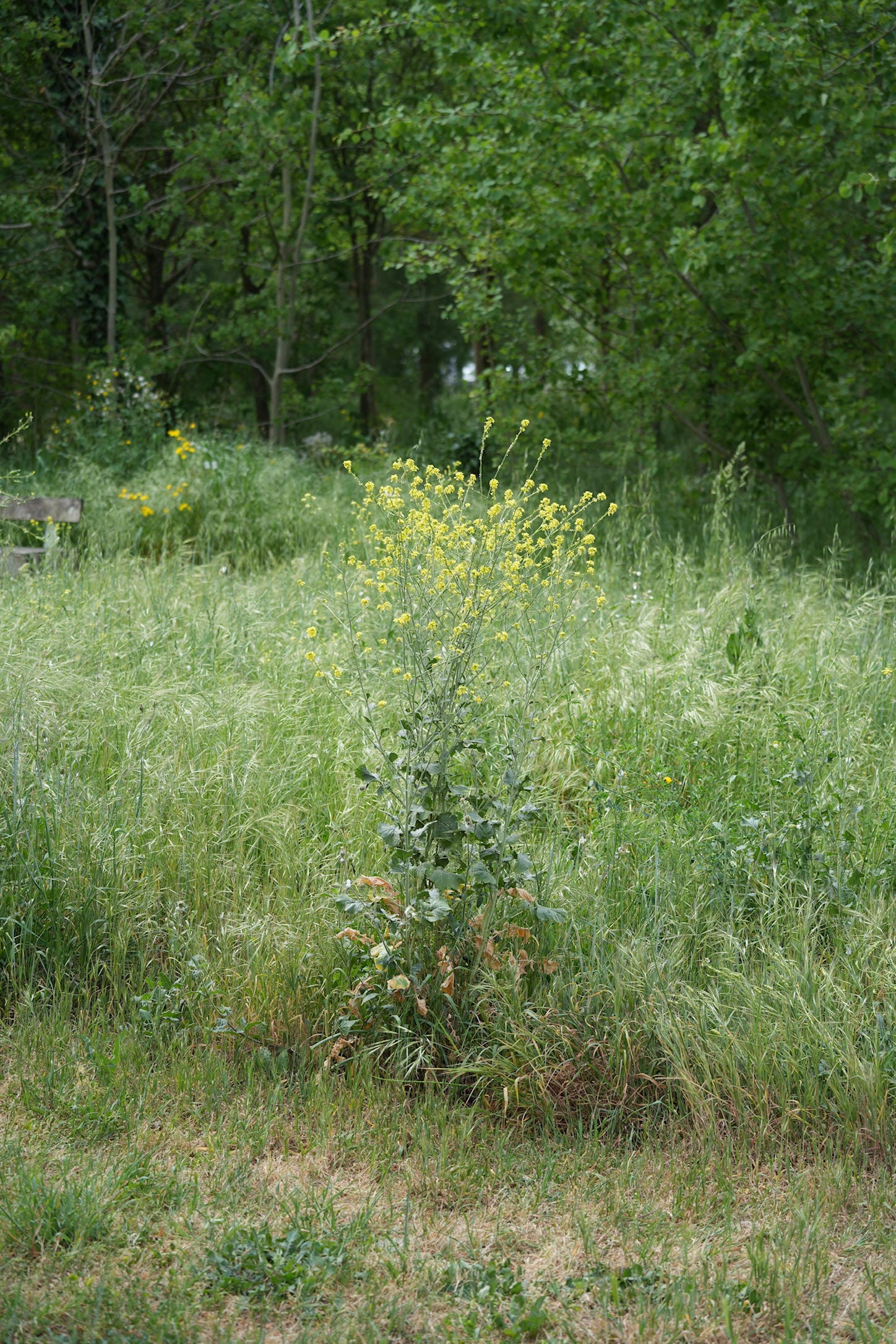
Though it was already the most alive part of the city we’d seen, with birds and insects flying around.
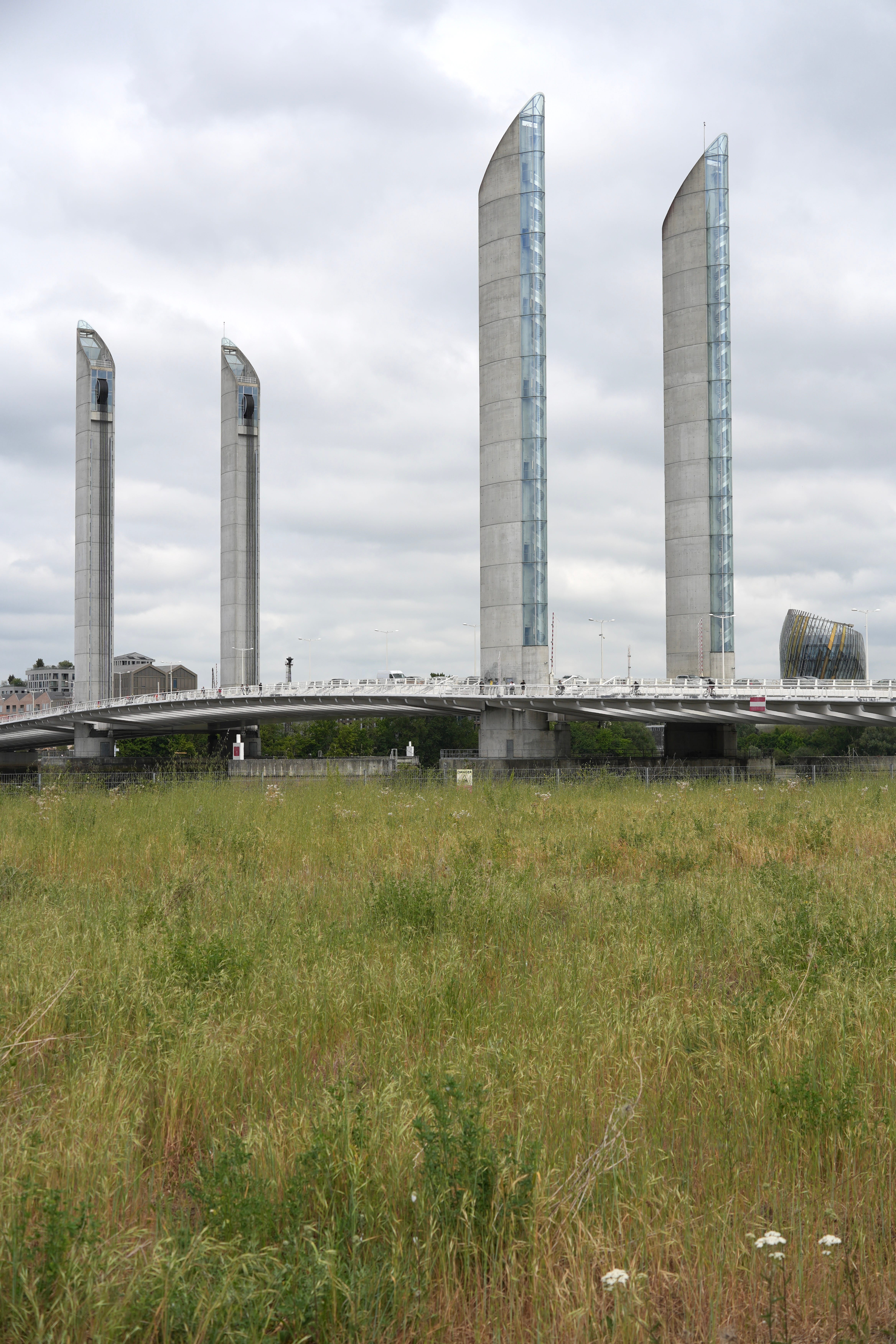
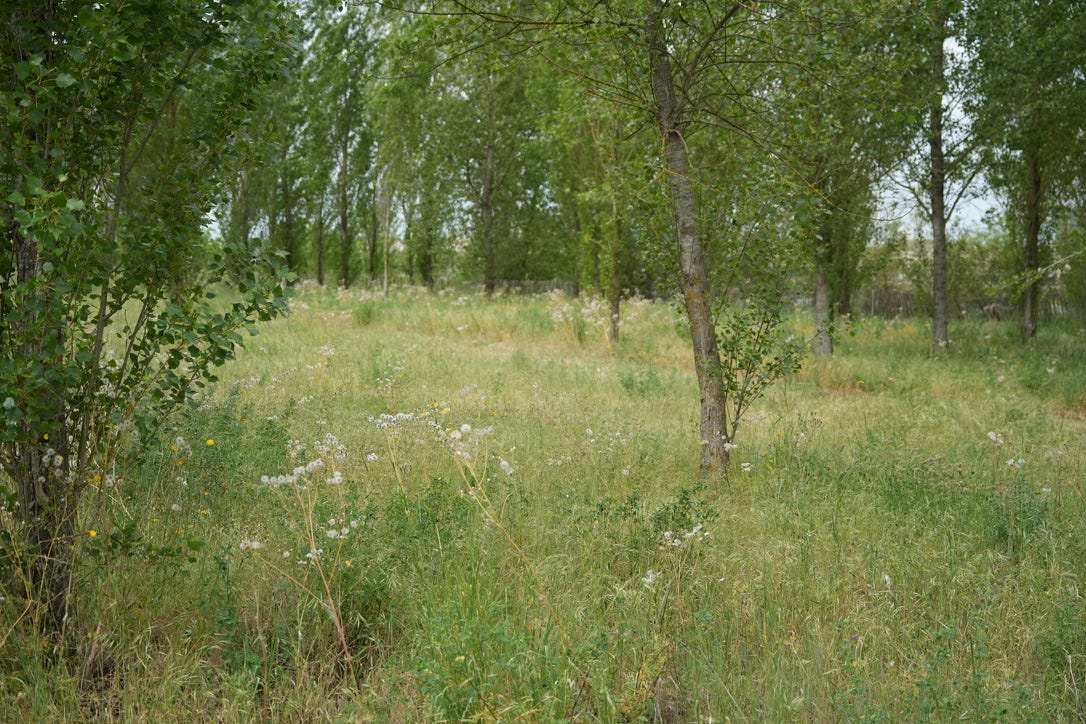
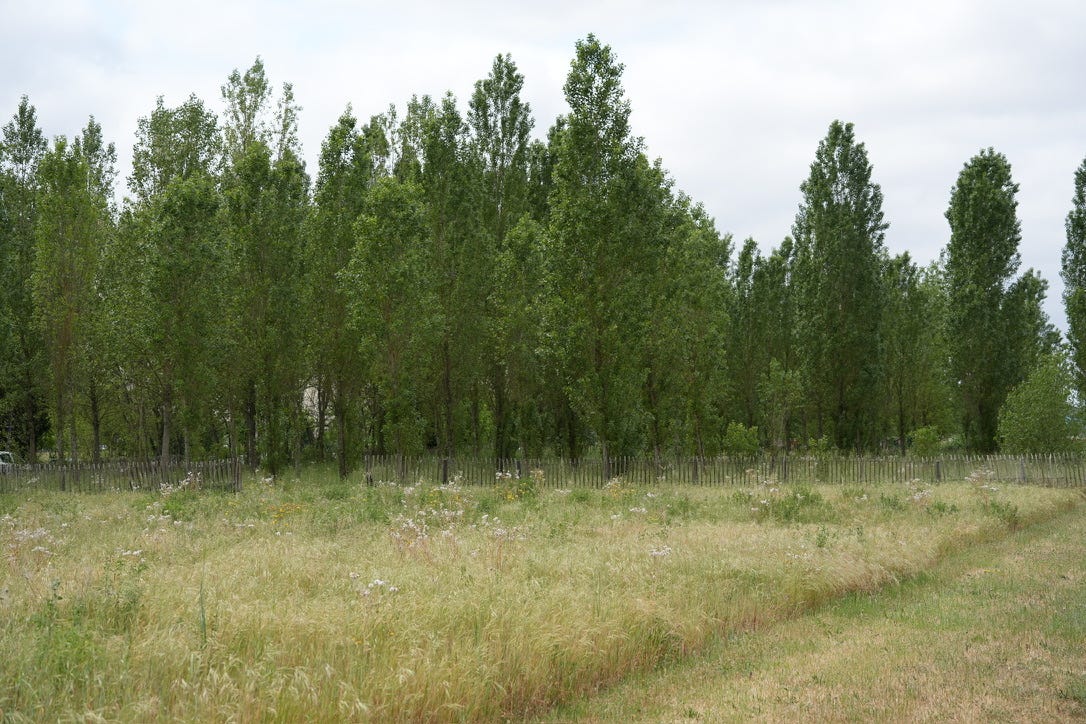
I am incredibly excited about Parc aux Angéliques, it sets a fantastic global example on so many levels. Greening the city for the benefit of people while also helping wildlife. Increasing residents’ exposure to nature. Both Chris and I felt it was our highlight of Bordeaux, which is saying something because it is a wonderful city.
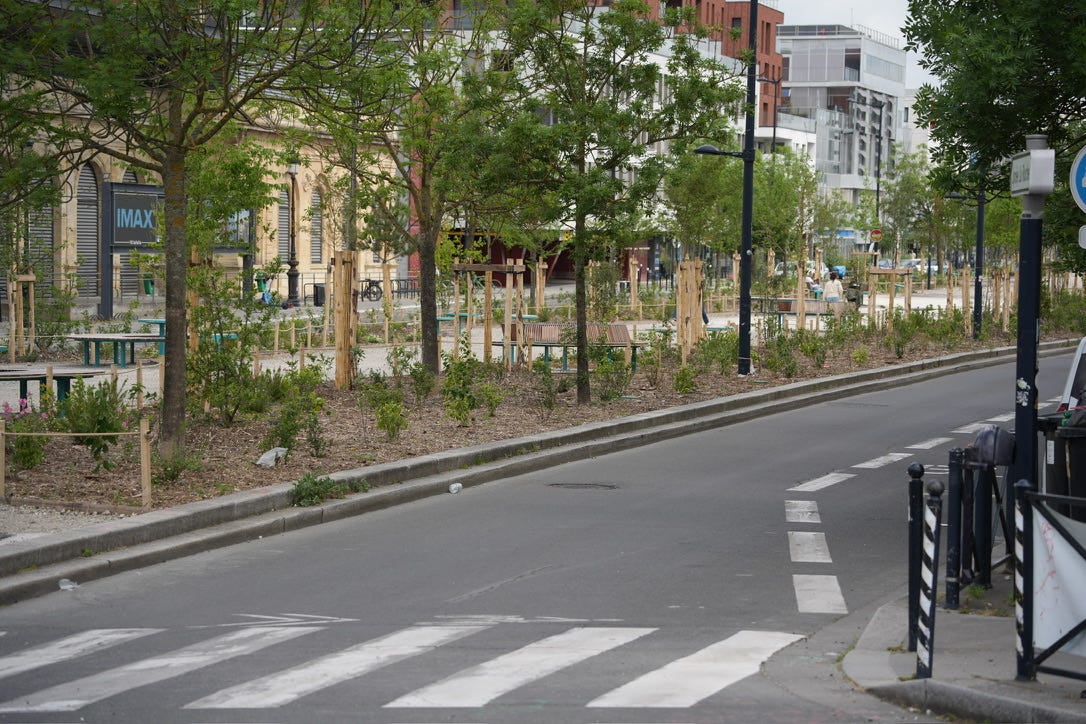
I also noticed in a few new planting areas finely chipped young ramial wood is used as a mulch. Ramial wood is chopped up pieces of young wood that is only a few years old and nutritionally rich as it decomposes. I suspect this is to help lock in moisture as well as to keep the competition down while the main plants establish. In the above photo you can see this and trees being planted to create shade for an understory planting.
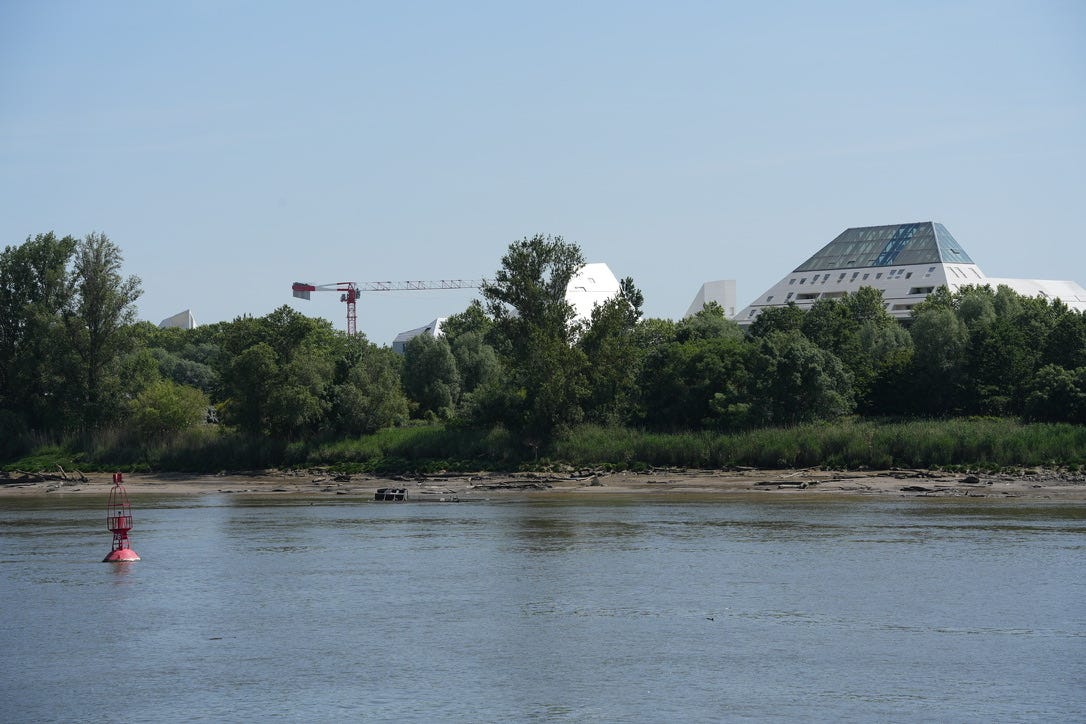
It all feels so effortless, so natural and so free. If you have the chance to visit Bordeaux, I recommend making a trip across the bridges to Parc aux Angéliques.

Climbing plants in Bordeaux

Chris and I spent a long weekend in Bordeaux in the south of France to celebrate 20 years since we first started dating. It’s a beautiful city on the banks of the Garonne river and the height of European romanticism. With stunning architecture and an abundance of vibrant restaurants, bars, cafes and shops. A city that melds classic with contemporary perfectly demonstrating that artistic edge continental Europe does so well.
Fab pair of articles with such interesting detail. Thank you. Have been to the NYC Highline when it was just opening as we lived in Pittsburgh. The Bordeaux development sounds so worth a visit, and to see the city vines too!
When I read this post, I thought "oh no, how did we miss that when were in Bordeaux!?" Then I looked at a map and realised we'd walked right through it :) I just remember how hot it was and the incredible shade provided by the trees. There is something right beside the park called Darwin Eco-Système which is all kinds of things: an event space, a space for eco friendly shops, restaurants, a co-working space, an incubator of eco friendly businesses, a skate park, a canvas for street art, you name it. Bordeaux seemed really progressive and energised, not what I was expecting at all really.