

Climbing plants in Bordeaux
A city rapidly adding biomass to its warming ancient streets
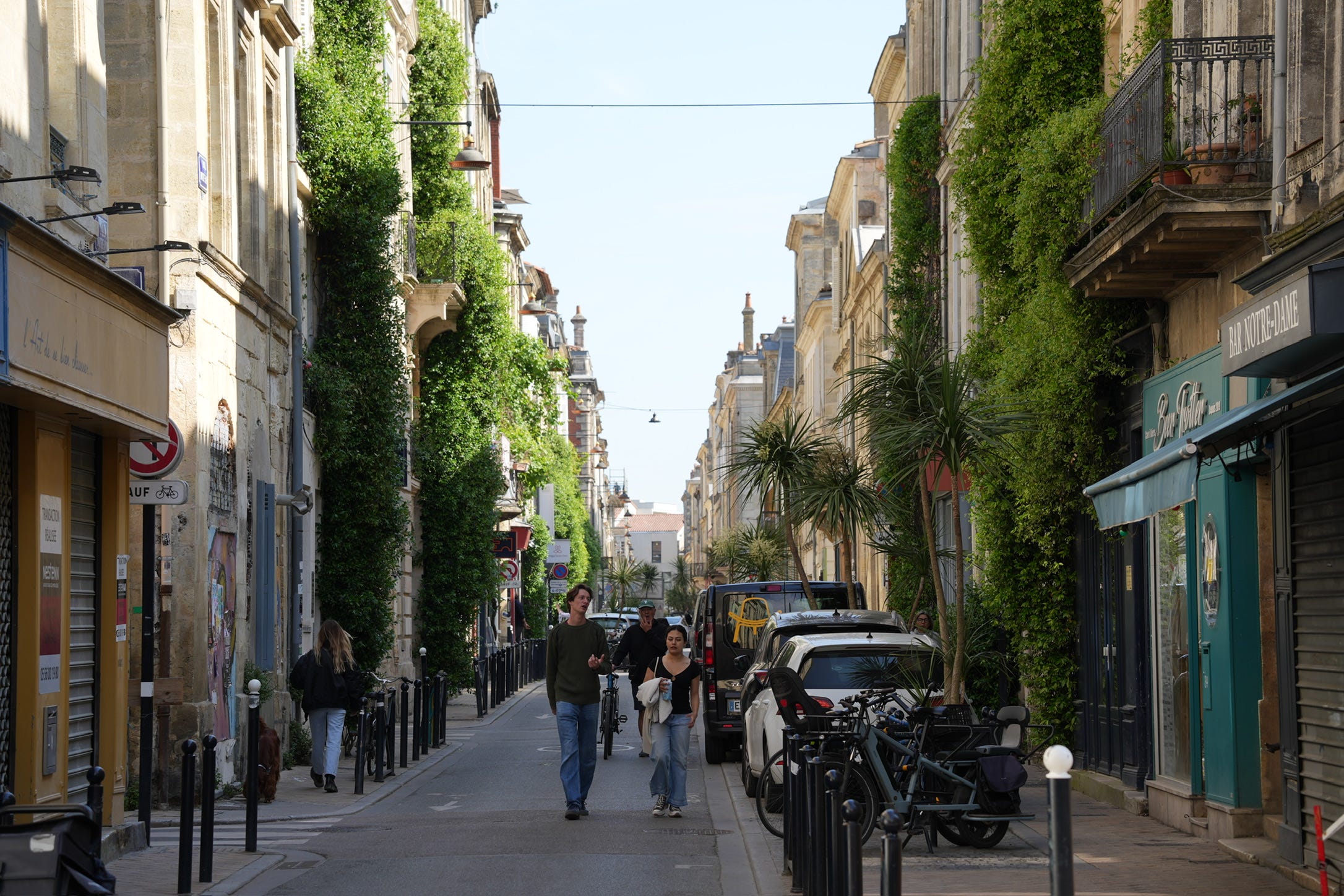
Chris and I spent a long weekend in Bordeaux in the south of France to celebrate 20 years since we first started dating. It’s a beautiful city on the banks of the Garonne river and the height of European romanticism. With stunning architecture and an abundance of vibrant restaurants, bars, cafes and shops. A city that melds classic with contemporary perfectly demonstrating that artistic edge continental Europe does so well.
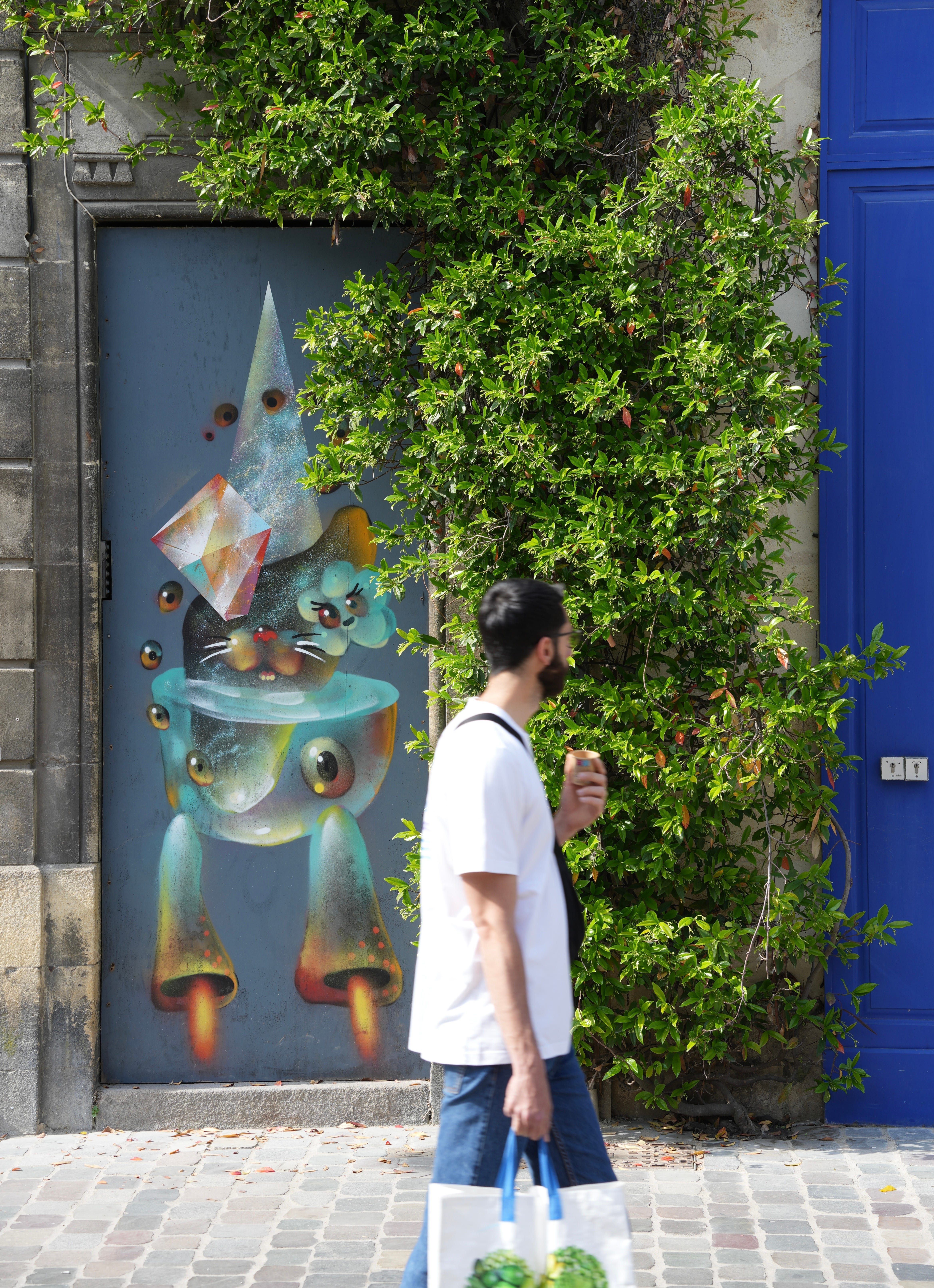
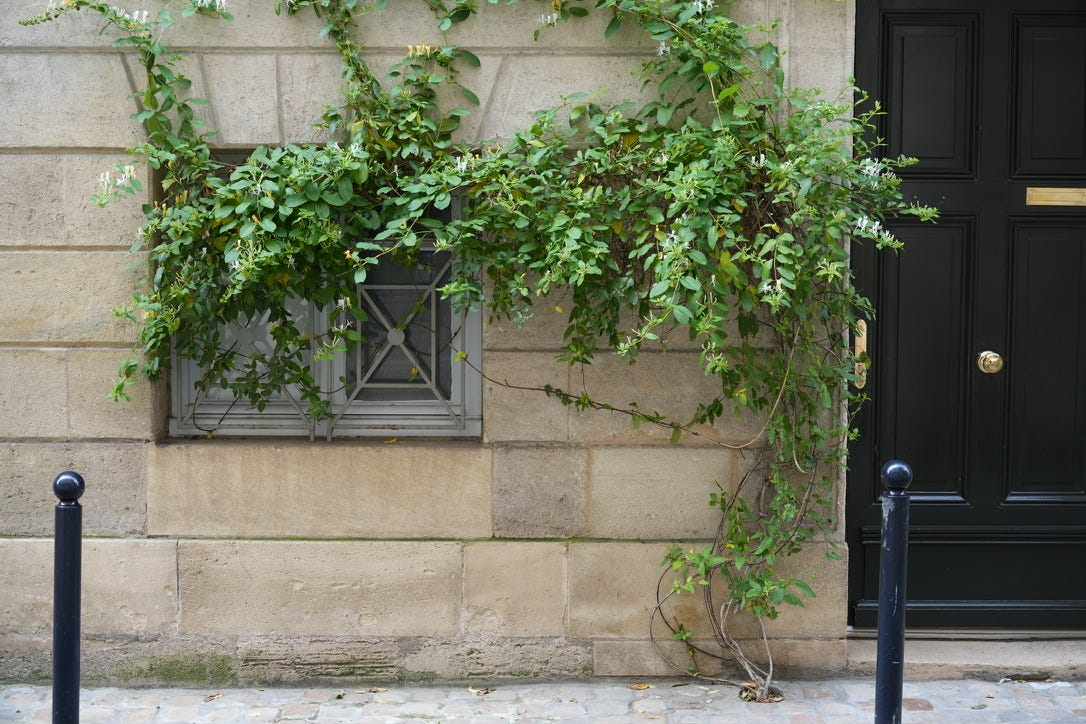
As we walked the city streets we began to comment on the lush climbers casually growing up the beige limestone walls. Turning what would be a city of stone to a verdant oasis, filling streets with the scents of jasmine and honeysuckle - their flowers just beginning to open.
Broken fragments of terracotta pot or gutter were propped against many of the plant bases. Clearly residents are making an effort to protect and care for them. It was while commenting on these, we noticed many of the climbers were actually quite young.
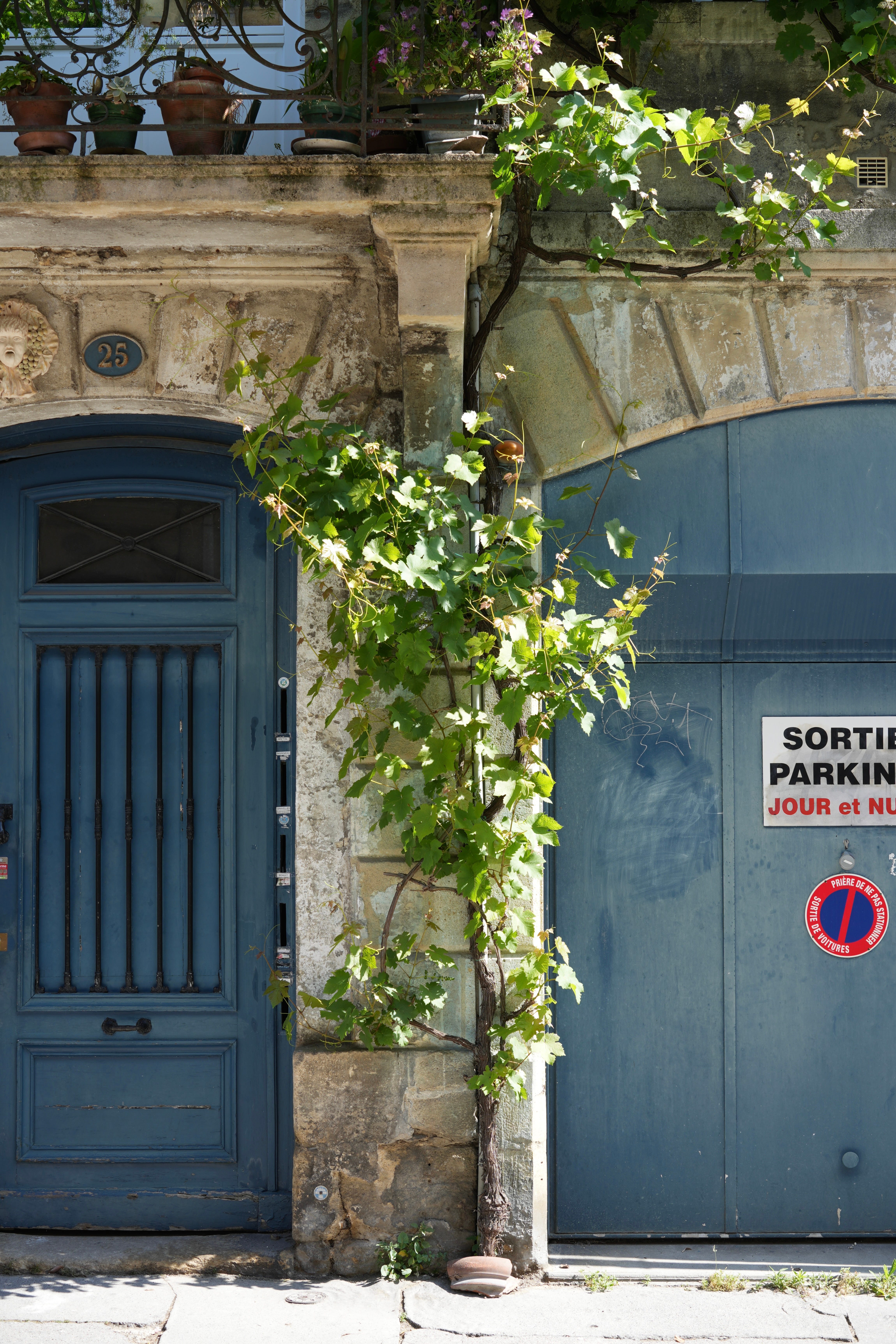
That’s when it dawned on us: is this a recent effort to green the city? Planting climbers into defunct drains, pockets and cracks. Chris did a quick search online which confirmed it is. The city is attempting to increase biomass and the council will support house owners that want to turn their narrow pavement into a ‘crack garden’ with vines and other plants such as hollyhocks and figs. We looked back on Google Street view and many of the climbers we saw hadn’t been there five years ago.
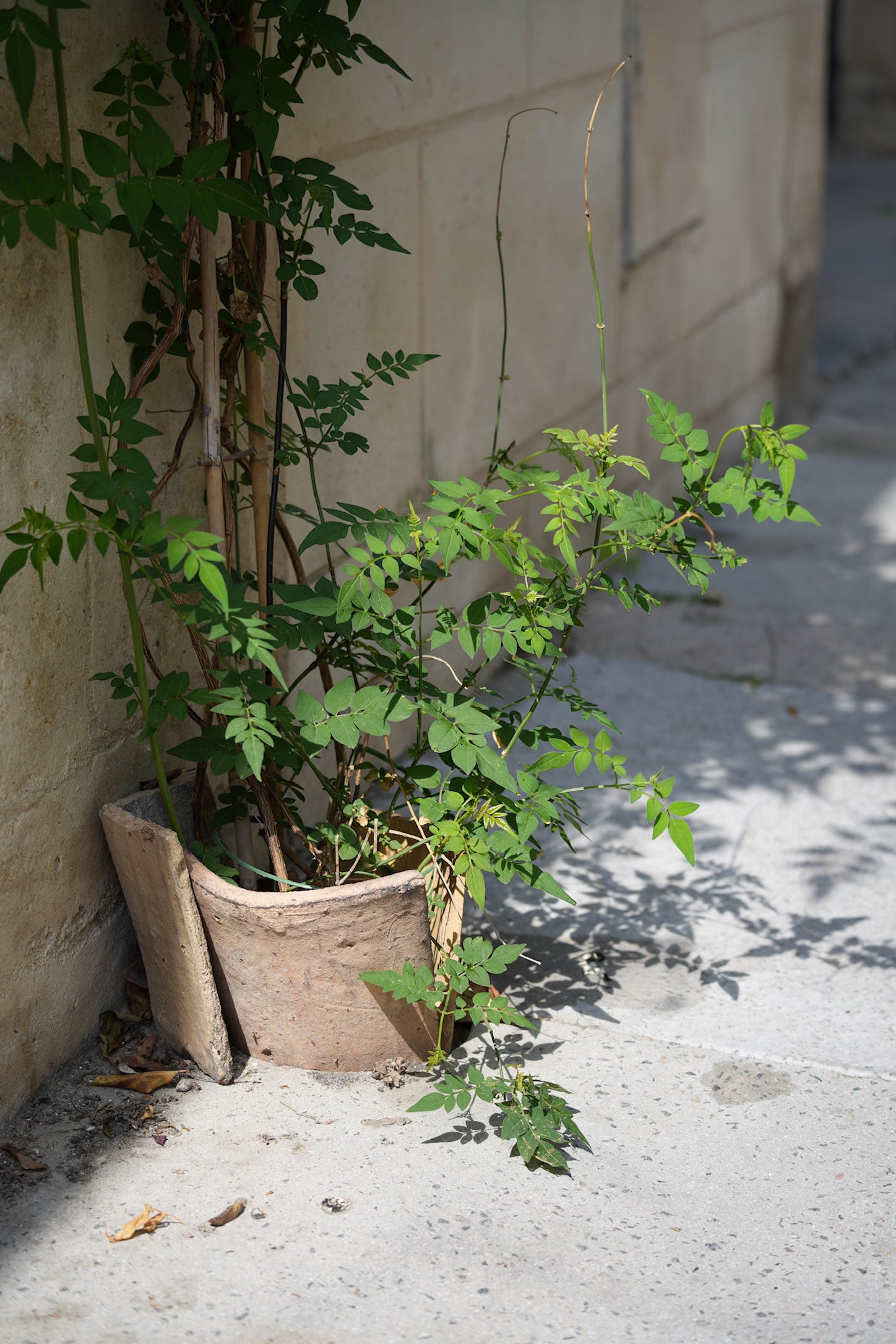
Council officials can be booked to cut a planting pocket and fill it with starter soil. Presumably making sure the underlying soil is easily accessed by roots.
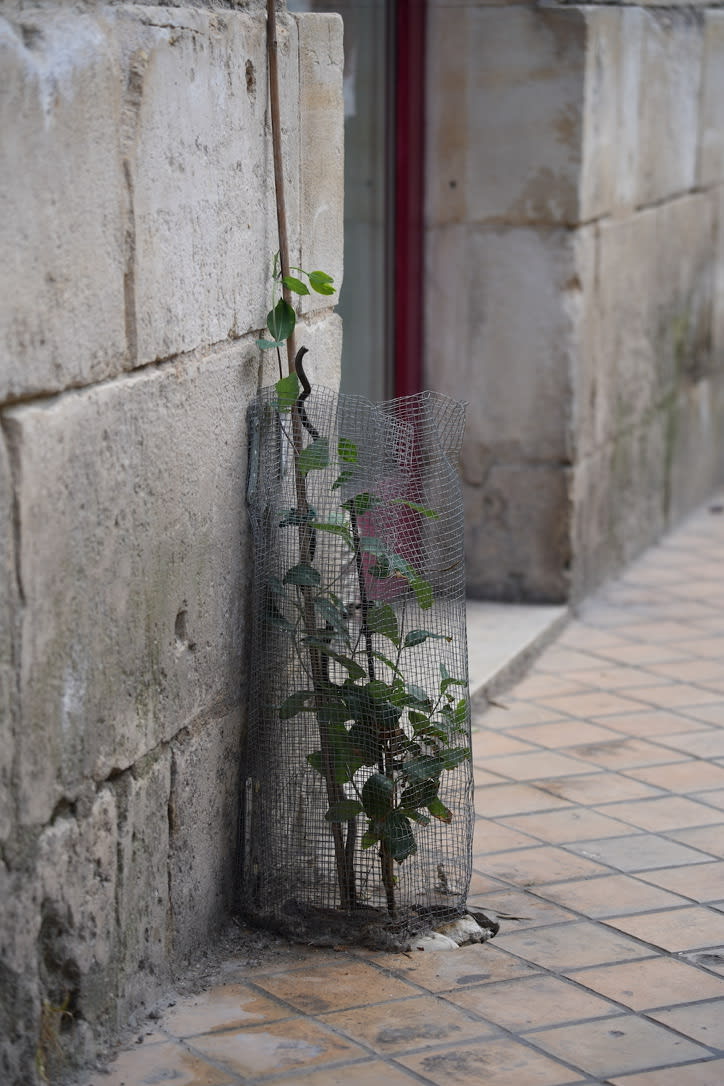
It added to our love for Bordeaux, to see so many homeowners and businesses actively planting and protecting these young plants growing in the most unlikely spots. Bordeaux has an excitement about it, a city full of energy and creativity. The fact plants are part of that drive makes it all the more cutting edge.
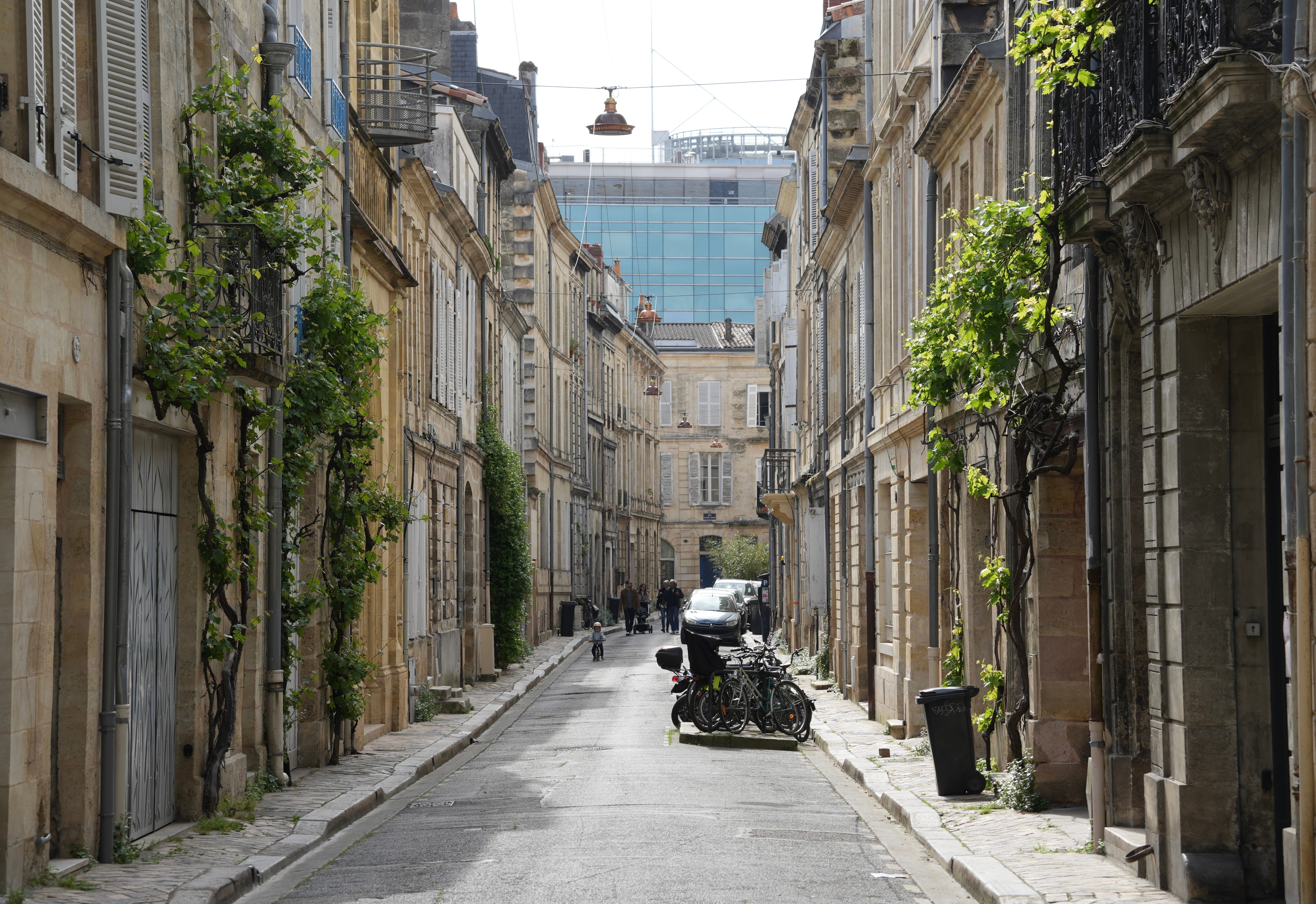
Around the old parts of town vibrant green leads the eye upward, enhancing the abundance of carved stone facades. It’s quite amazing how much biomass one climber can add to what would be an entirely lifeless stone street.
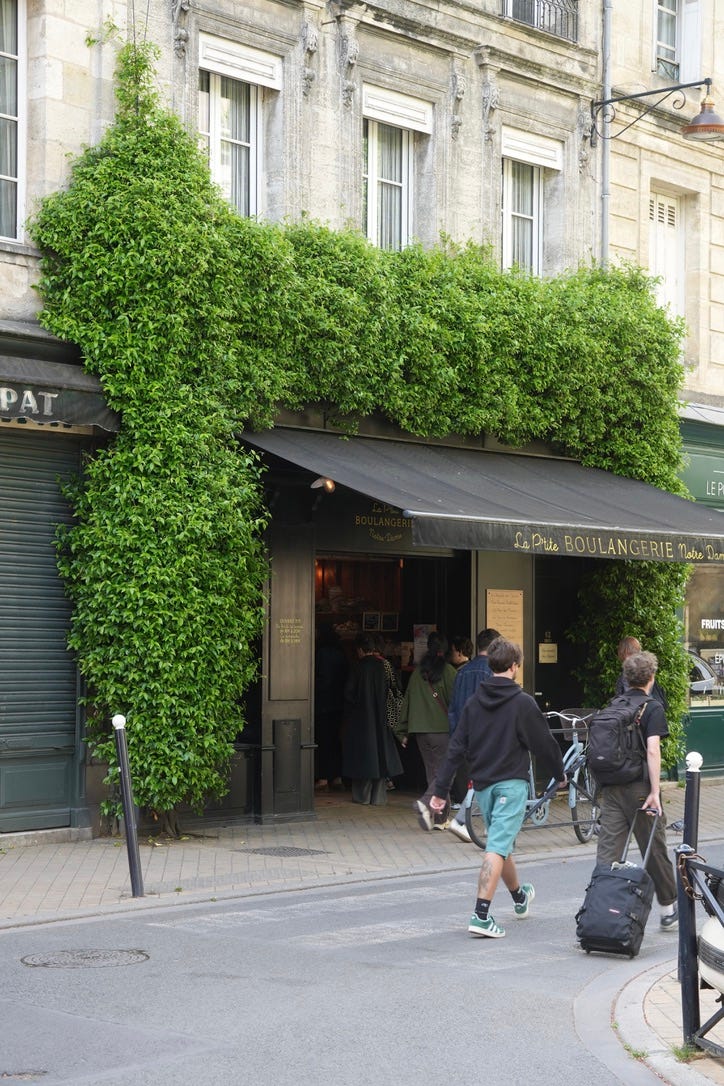
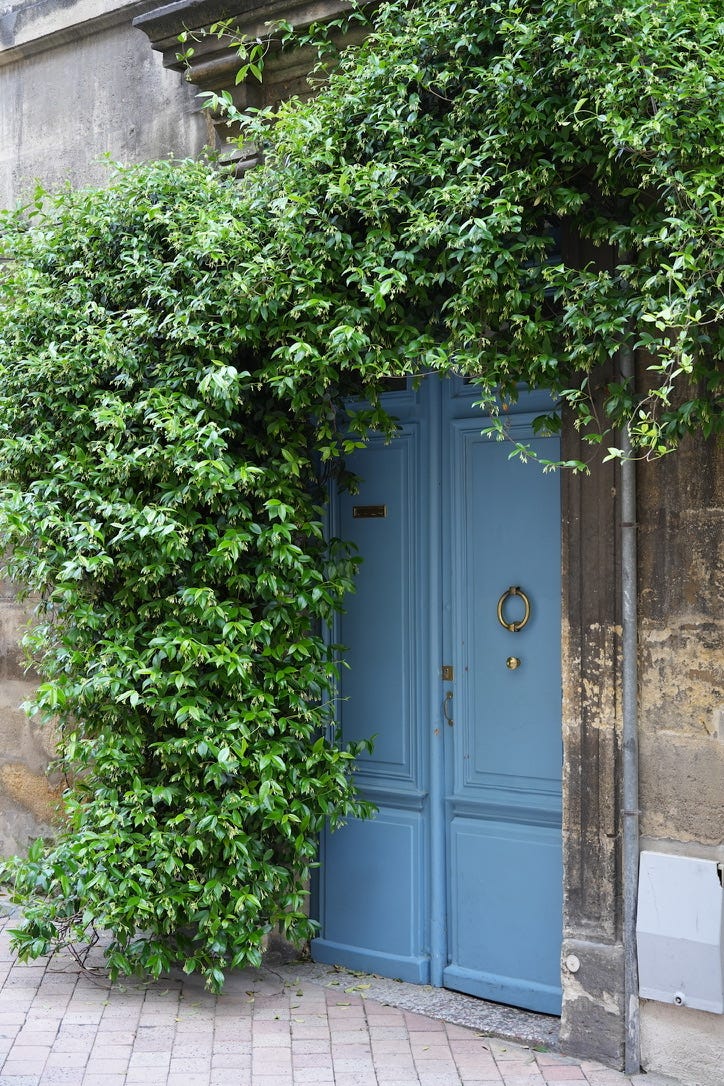
We loved the way many businesses were embracing the idea, I even saw one architect firm with wildflowers growing out of the tiny cracks between the pavement and building. Their climber had been allowed to trail over the door.
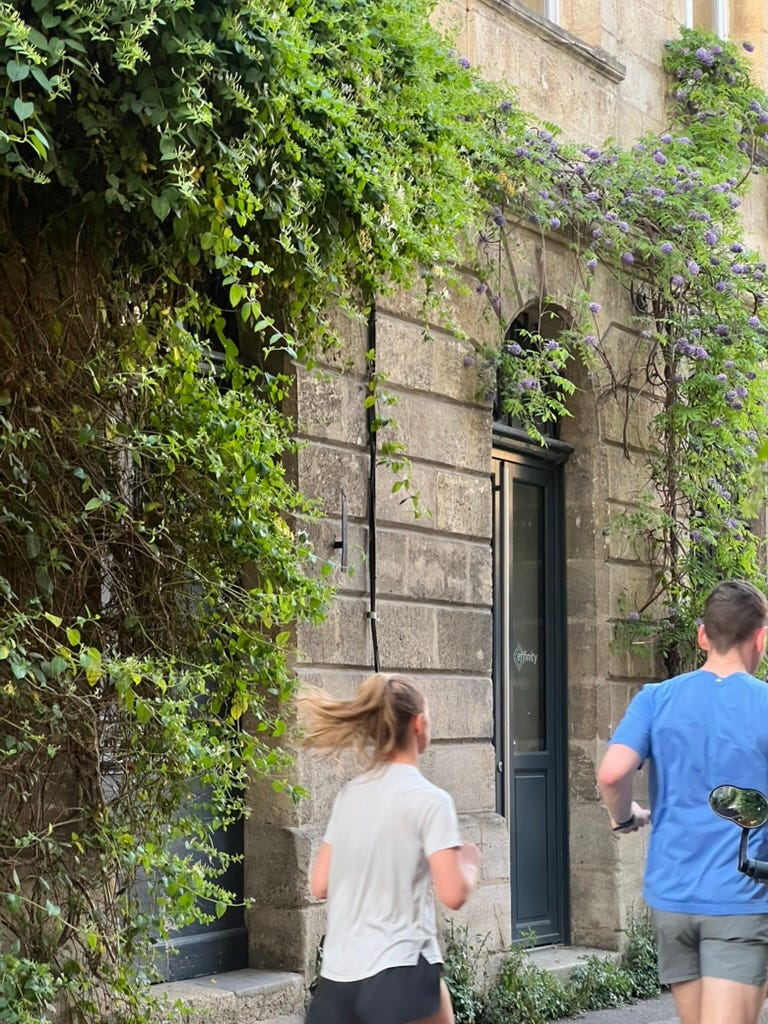
It all felt so free and a breath of fresh air. Many of the jasmine hadn’t opened their buds yet and we could only imagine the perfume through the summer months.
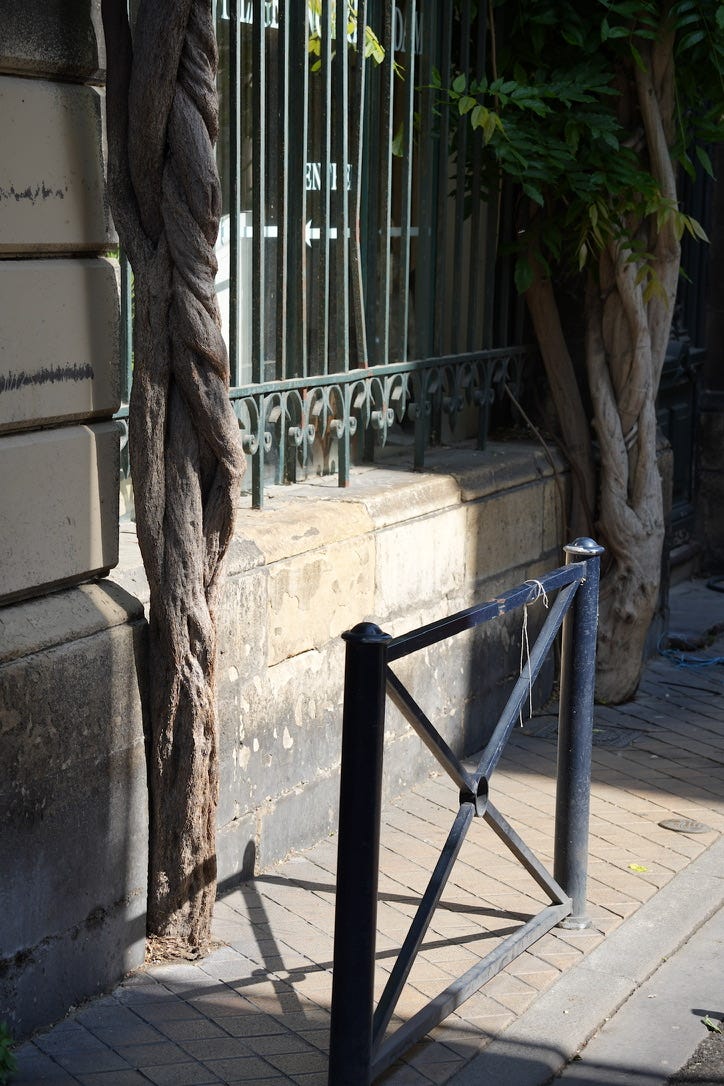
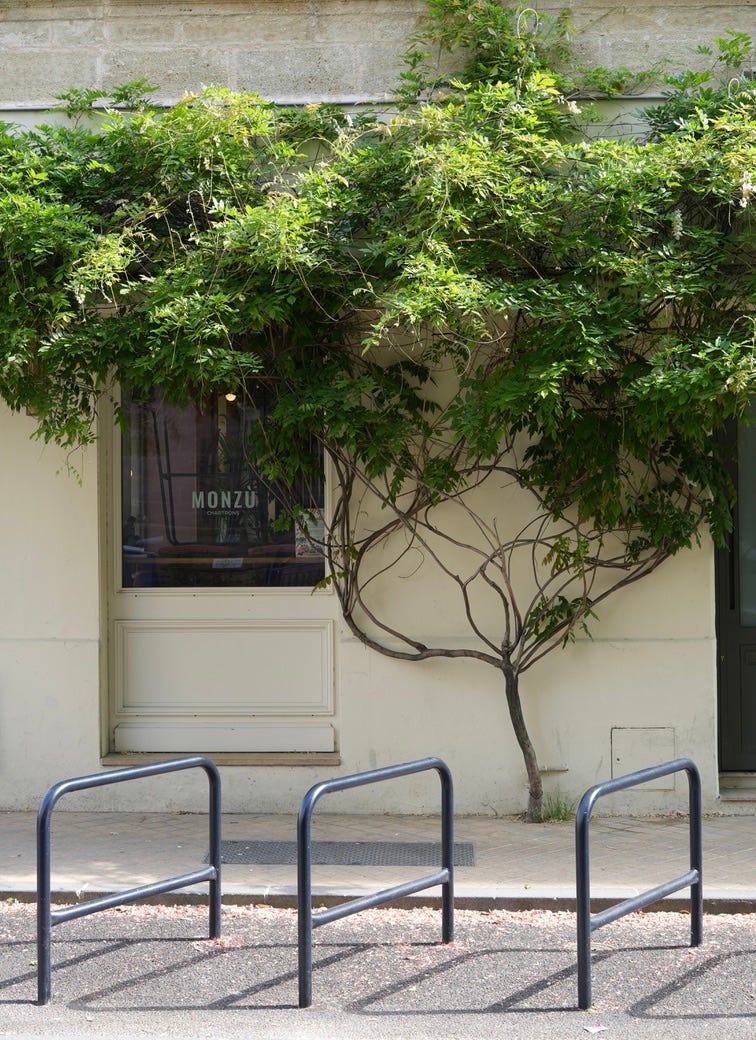
Practically, a few things struck us that are worth noting. First we didn’t see one damaged pavement from the roots or stems - not one! Even around the oldest, thickest wisteria that grew high enough to cover a three story building. Secondly, presumably the plants have ample soil and moisture beneath the stone paving. Bordeaux’s summer temperature is regularly in the thirties and soars into the forties. I assume the stone pavements and roads lock in moisture for the climbers, in addition to them being tolerant of heat. The city receives 950mm of rainfall on average per year, the majority in autumn and winter, making summer very dry. Yet the climbers and trees are healthy.
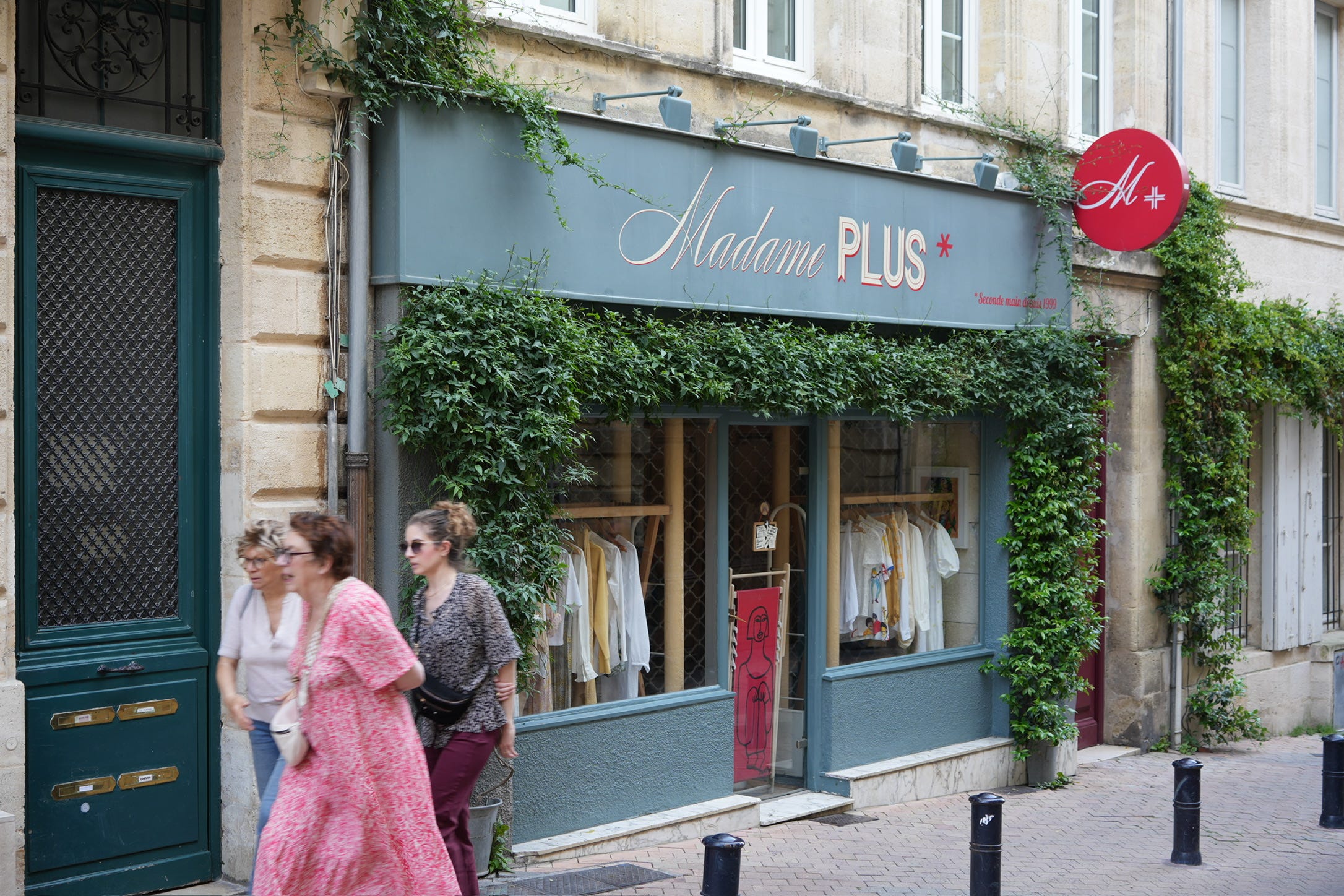
Climbers we spotted include:
Evergreen star jasmine (Trachelospermum jasminoides)
Deciduous common jasmine (Jasminum officinale)
Wisteria
Grape vines (Vitis spp.)
Many different honeysuckle cultivars (Lonicera spp.)
Boston ivy (Parthenocissus spp.)
Common ivy (Hedera spp.)
Climbing hydrangea in one shaded spot
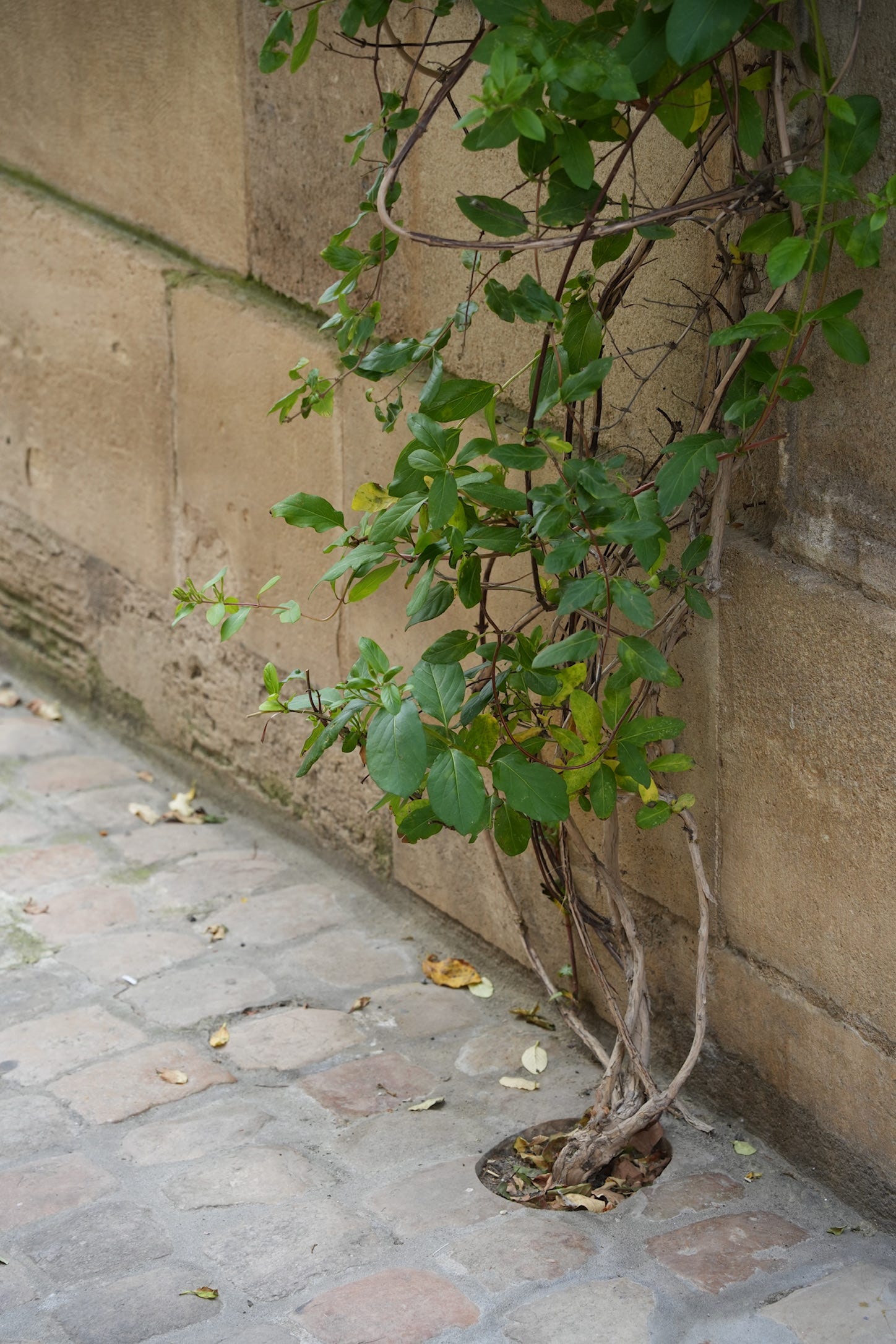
Because many are twining vines and not self-clinging, they are supported using metal vine eyes and wire. This allows people to create their own climbing network easily around stone features, doors and windows to frame the architecture.
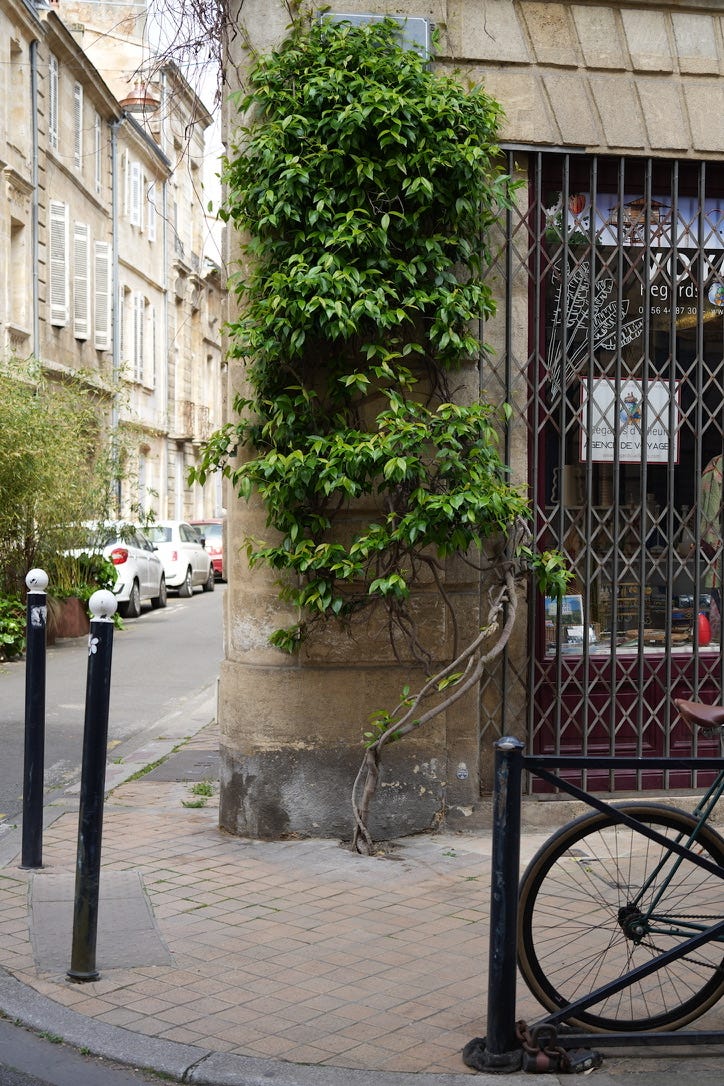
These climbing plants of Bordeaux are an excellent reminder and showcase of what can be achieved with a postage stamp size piece of land and vertical surfaces. Climbers are incredibly easy to grow from a land the size of a side plate, and produce as much greenery as a tree. Producing flowers and even fruit.
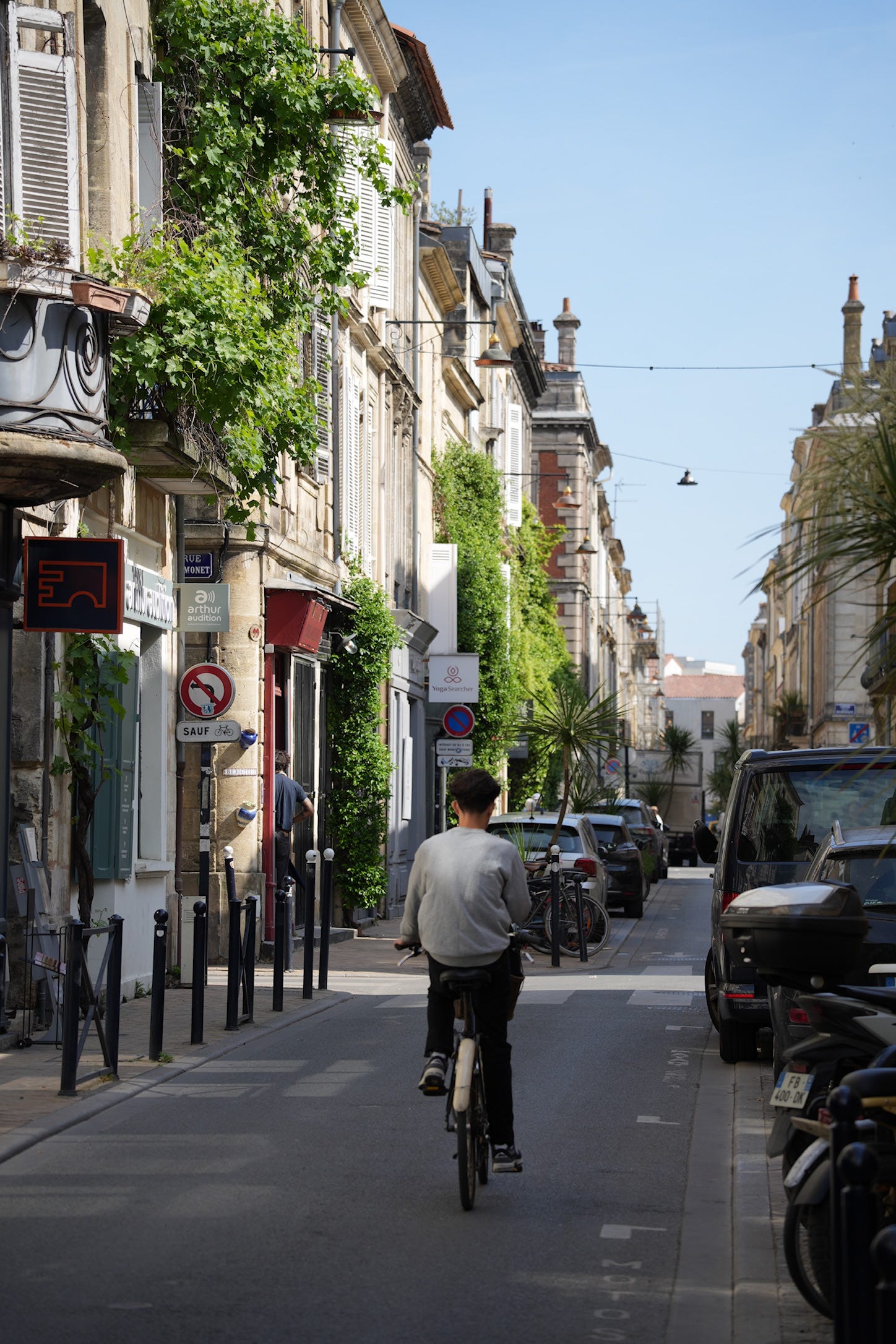
In time, the climbers growing around the city will welcome wildlife back in. Every climbing plant adding to the available habitat and nectar. Not to mention cooling the city for residents.
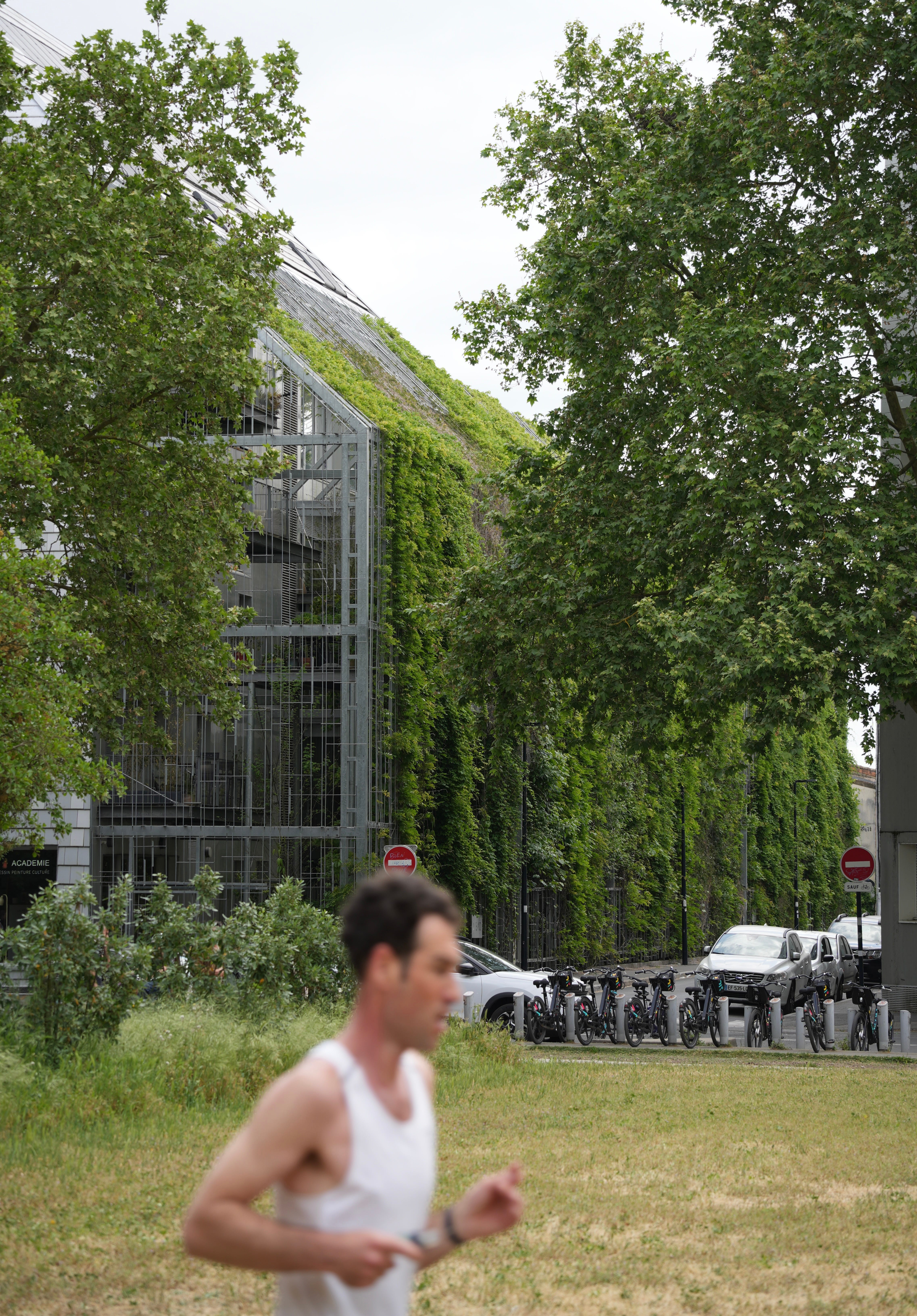
Across the Garonne, away from the old town, we even noticed a new building with a large frame used to grow large climbers all the way up. Helping to create shade and cool the building within.
Thank you to the people of Bordeaux for such a fantastic reminder of the beauty of climbing plants. In recent years living walls with planting pockets have been a focus - we even had one in our old garden to house my collection of fern species - but I no longer believe these are practical nor sustainable. In terms of maintenance and ease, as Bordeaux proves, nothing beats a climber.
Part 2 of gardening in Bordeaux is about wilding waste spaces and parks.



Bordeaux is indeed a beautiful city, our local “big smoke” for the past ten years as you know … It’s worth noting how much better French culture is at developing and maintaining its public spaces, right down to the tiniest commune.
Great pics and a fascinating read - it would be amazing if UK towns and cities took a similar approach. And congrats on the 20 years, hope you had a lovely time!