

16 plants to feed birds naturally
Grow food to reduce spread of bird diseases and provide a range of long-lived habitat
When we first moved to Yorkshire we faced a bird flu outbreak in winter and I pointed out that the method of feeding birds was most likely a prime vector for the spread of the disease: bird feeders and bird baths. Things have moved on and the RSPB this week is advising to not artificially feed birds in summer due to the spread of another bird killing disease, trichomonosis. And if you leave out water, to wash bowls at least every day to stop the spread.
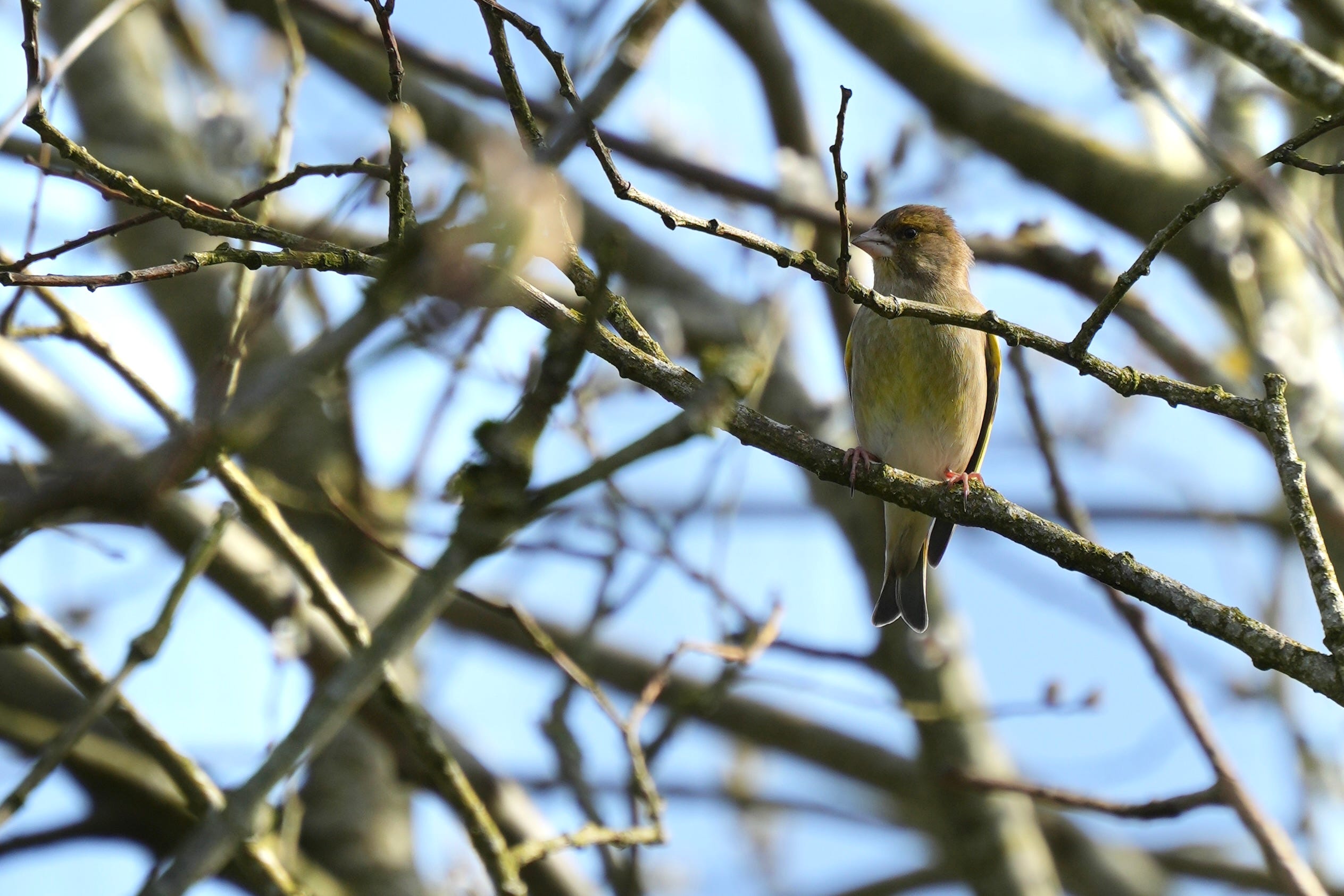
Greenfinches are one of the worst affected, seeing a 67% decline in average numbers recorded since 1979 (RSPB Big Garden Bird Watch). We’re lucky to have greenfinches and many other red list birds in our garden and I’m glad what we’ve been doing is now backed up by official recommendations from the RSPB.
So how can we help birds? I plan habitat-first gardens to provide shelter and food naturally and that’s what I practice in our garden (where the name Wild Way of gardening comes from). This includes seeds, fruit and importantly, abundant insects. It’s quite straight forward really, everyone can do it. It’s what happens naturally in the wild and we can replicate that in gardens. We can even enhance it, which is one of the great things about having our clever human minds.
Why are bird feeders and baths a risk for spreading disease?
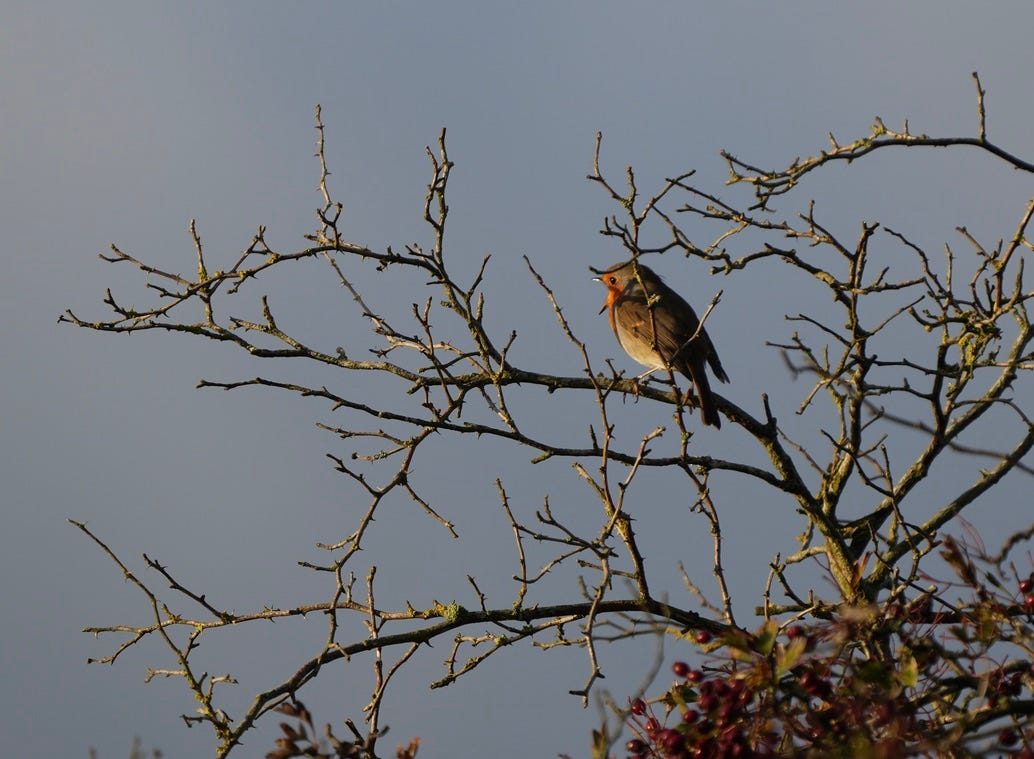
Bird feeders and baths, though well intentioned, create an unnatural hot spot for many birds to visit a tiny area, causing the following problems:
An unnatural focal point of large quantities of food or a water bowl that sees birds feeding and drinking from the same spot again and again, mixing in each other’s poo and fluids, which is how a lot of bird diseases spread.
Lure birds out into the open so we can see them, which also means they’re more easily seen by predators and targeted because food and water is quite low. (Cats for instance receive a lot of hate - and yes there are often too many cats in one area - but quite often cats only catch sickly birds or those we’ve lured into the open with feeders and bird baths).
A short term solution. When people who feed birds move on, they take away a food source many birds have grown dependent on which can then lead to starvation.
Dropped food attracts rats close to our homes.
What can we do?
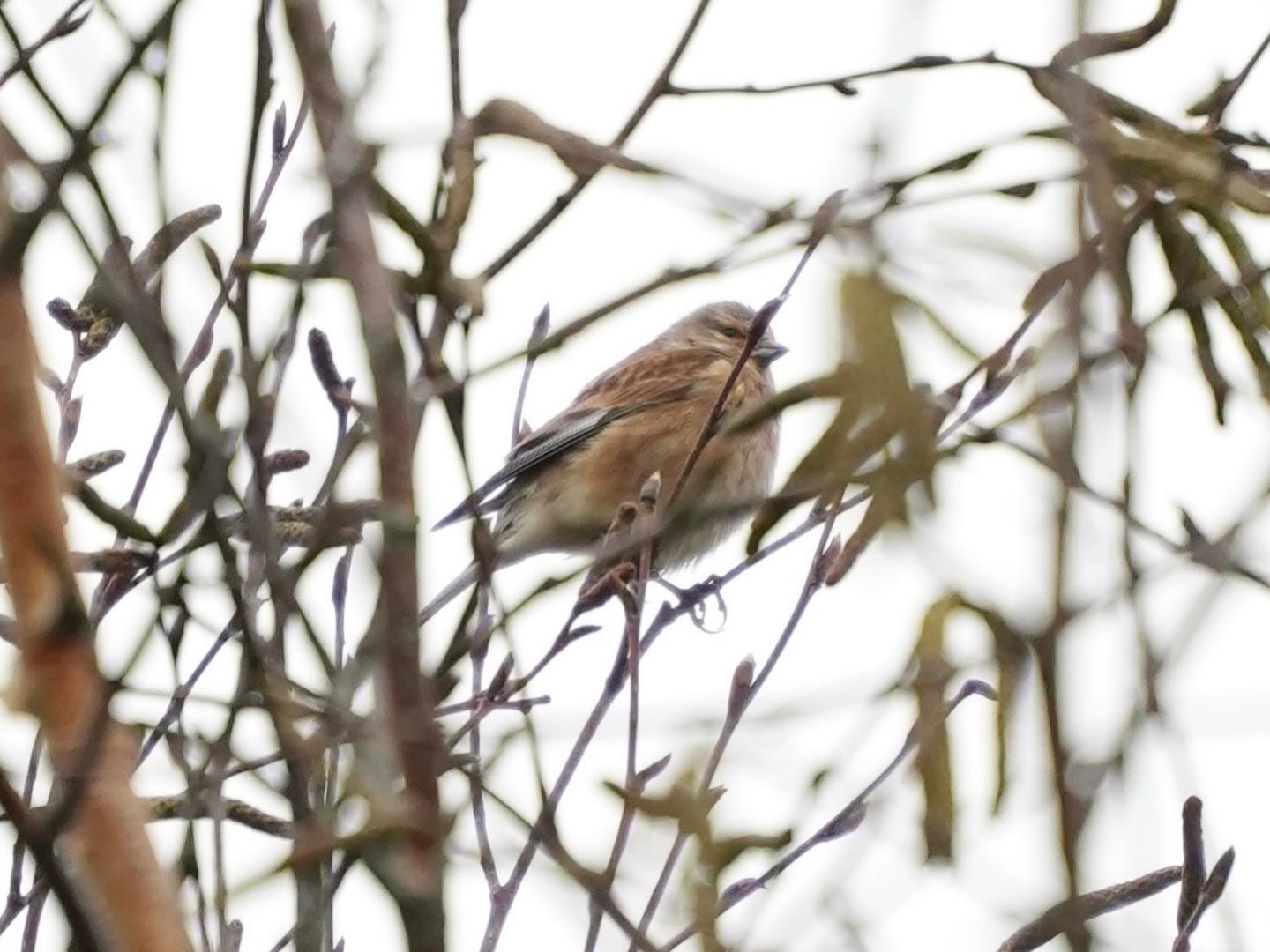
My advice for gardeners wanting to help birds is to:
Grow plants and habitats that will feed, shelter and offer water for birds naturally. In small gardens you may need to join up with your neighbours for mixed habitat, e.g. you can each grow a different wild shrub or small tree, one garden may have a pond to serve a number of gardens.
Clean bird baths daily or rely on a larger natural pond
Clean nesting boxes in winter - but only take them down briefly to clean, then put them back up, birds can still shelter or examine them for nesting suitability through winter.
Key habitats to grow for birds
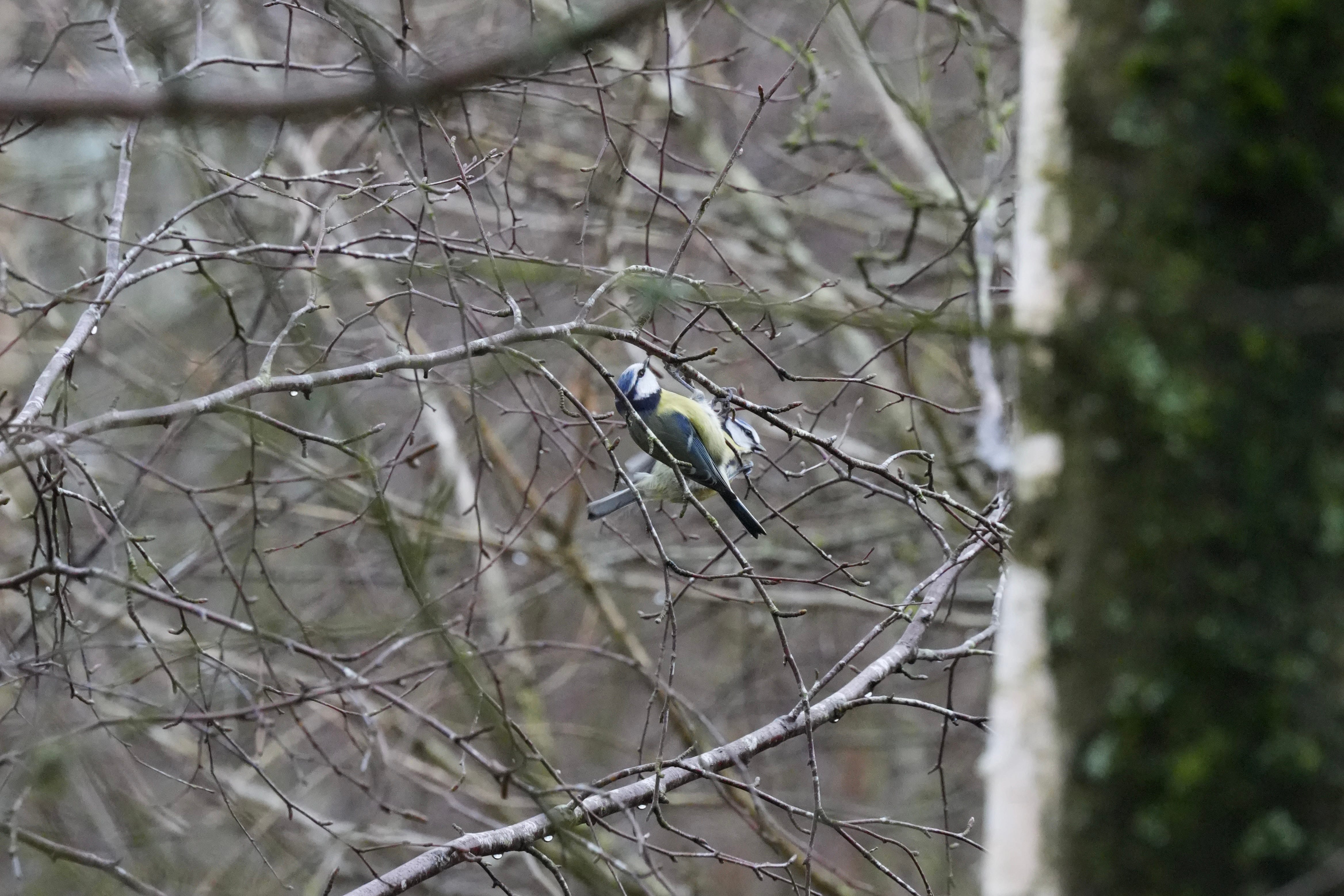
The main idea behind the Wild Way of gardening ethos is to provide food by thinking habitat-first for wildlife, growing habitat that is sustainable longterm, including:
Small trees: for nesting, food, shade and a safe perch away from predators.
Hedges / dense shrubs: really important for safe nesting, especially with spiky shrubs - also important for food.
Herbaceous: primarily perennials but also self-sowing annuals and biennials, anything that produces seed and habitat for insects.
Low grass: important for the likes of corvids and blackbirds that browse for worms.
Keep dead stems standing: for the seeds birds eat but also for insects to shelter over winter for bird food either in winter or next year (Read full guide to chop and dropping stems in late-winter).
Leaf litter: keep fallen leaves to support ground insects, molluscs and encourage worms into the leaf little. Birds will rummage through this for food in winter (Read full guide on keeping fallen leaves).
Pond: a large water expanse is less likely to see disease spread than a small bird bath. As long as a pond has a shallow sloped side, birds can bathe and drink. Ponds also attract a large amount of insects that add to bird food (Read full ponds in garden ecosystems guide 🔒).
What do birds eat?
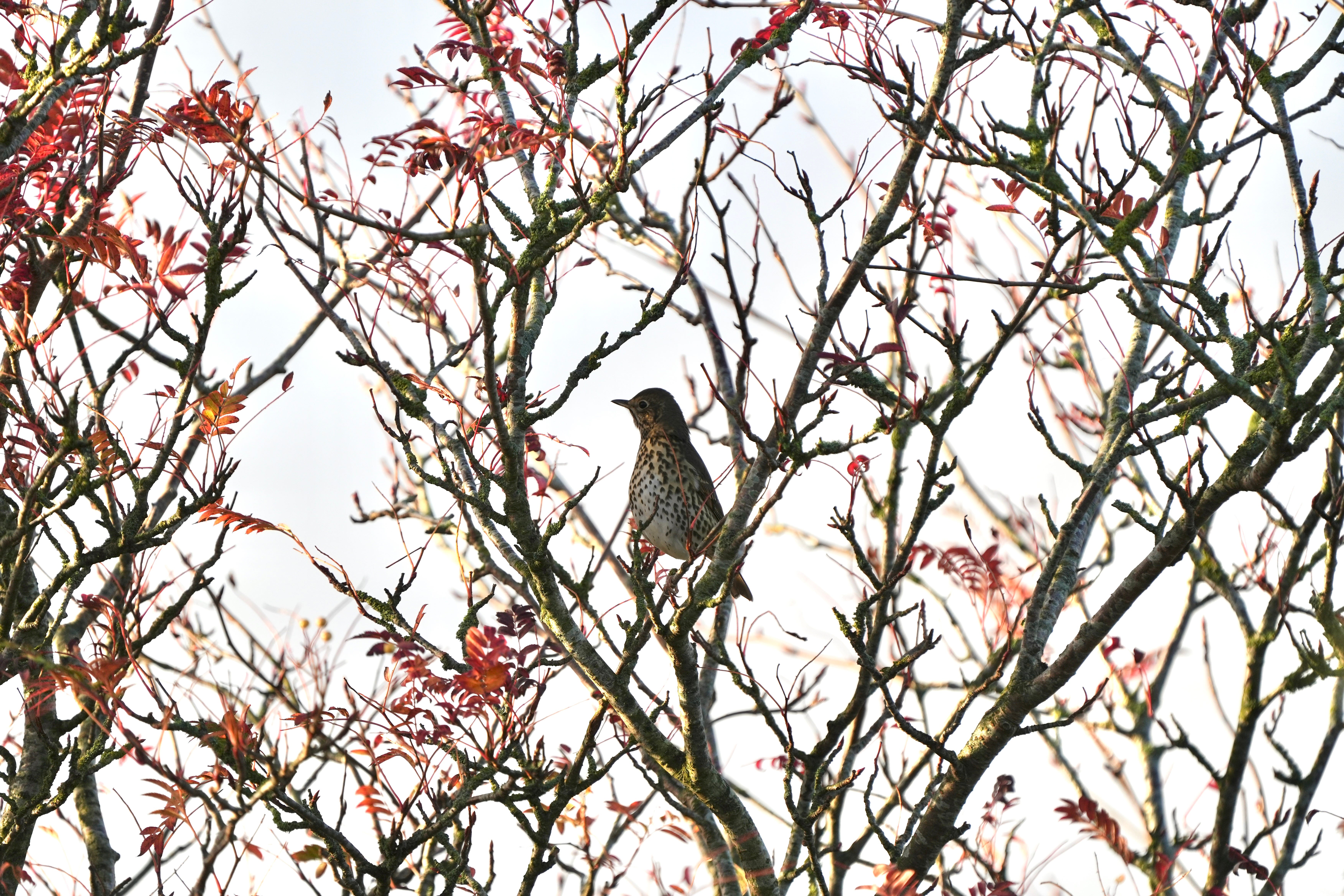
Insects: overlooked but vital, almost all birds eat insects like moths, aphids, as well as molluscs, snails and slugs. The more insects your garden attracts, the more food for birds - a healthy garden ecosystem with lots of insects does not need extra bird feed. And this is true in winter too. A garden in winter may appear empty but aphids, caterpillars and other insects are around in large numbers in a healthy garden ecosystem.
Fruit: small crab apples, berries, haws of hawthorn - almost all fruit is eaten by birds and many ripen at different points of the year for a slow release natural food.
Seeds: birds will eat ripe seed, especially smaller garden birds including the many finches, tits, blackbirds and wrens.
15 plants for bird food and habitat
Our garden is a haven for birds even though we haven’t artificially fed our birds for five years. The populations here are currently stable. While our garden is large, what we have can be replicated everywhere (our old inner city garden was 5 x 6m). Below are the plants I’ve noticed are the most important and usable in small to medium size gardens.
1) Hawthorn (Crataegus monogyna)
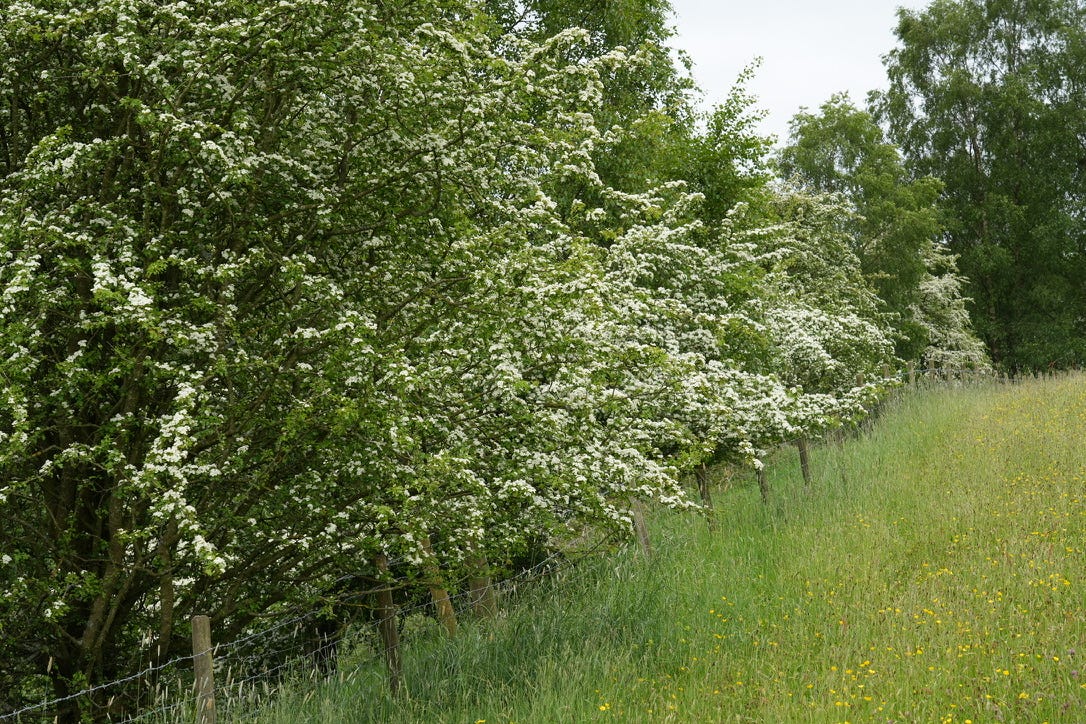
I’ve included hawthorn in the vast majority of my garden designs because I think it is extraordinarily beautiful and because it is excellent for wildlife. This smallish tree supports hundreds of insect species and is highly tolerant of pruning. Making it a beautiful candidate for a spiky dense hedge for nesting. Birds eat the insects all over it and the haws (its fruit) in winter. The haws are one of the last trees to ripen, making it an essential early winter snack for birds.
(Read full hawthorn design guide 🔒)
2) Crab apples (Malus sylvestris)
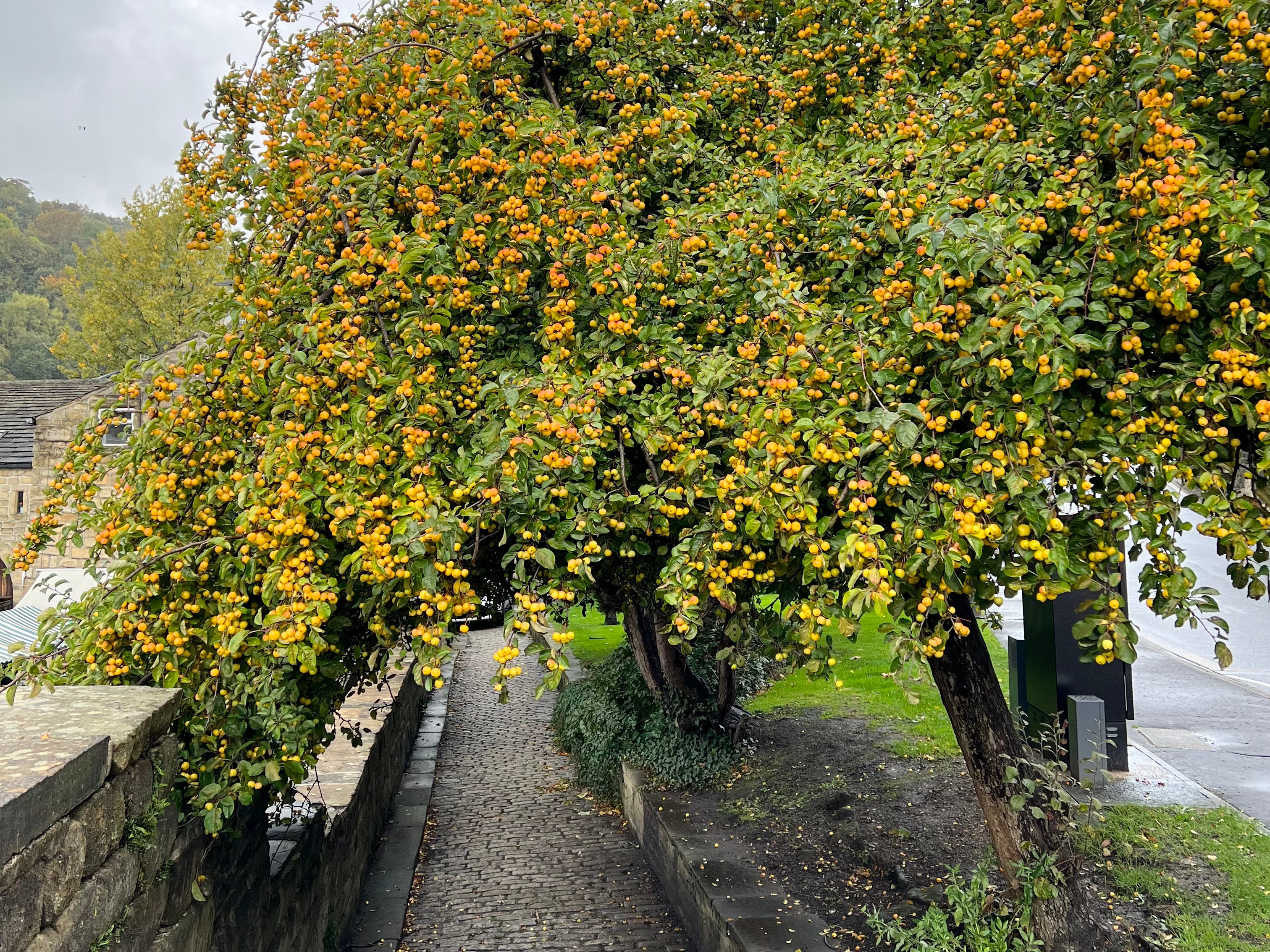
Another small tree I include in most of my designs is crab apple. The wild species is beautiful but cultivars all ripen at different times, giving birds a potential long period with a lot of fruit. I’ll cover my recommended crab apples in more detail in a future newsletter. Of course, crab apples are stylish, colourful and have lots of spring blossom for insects.
3) Holly (Ilex aquifolium)
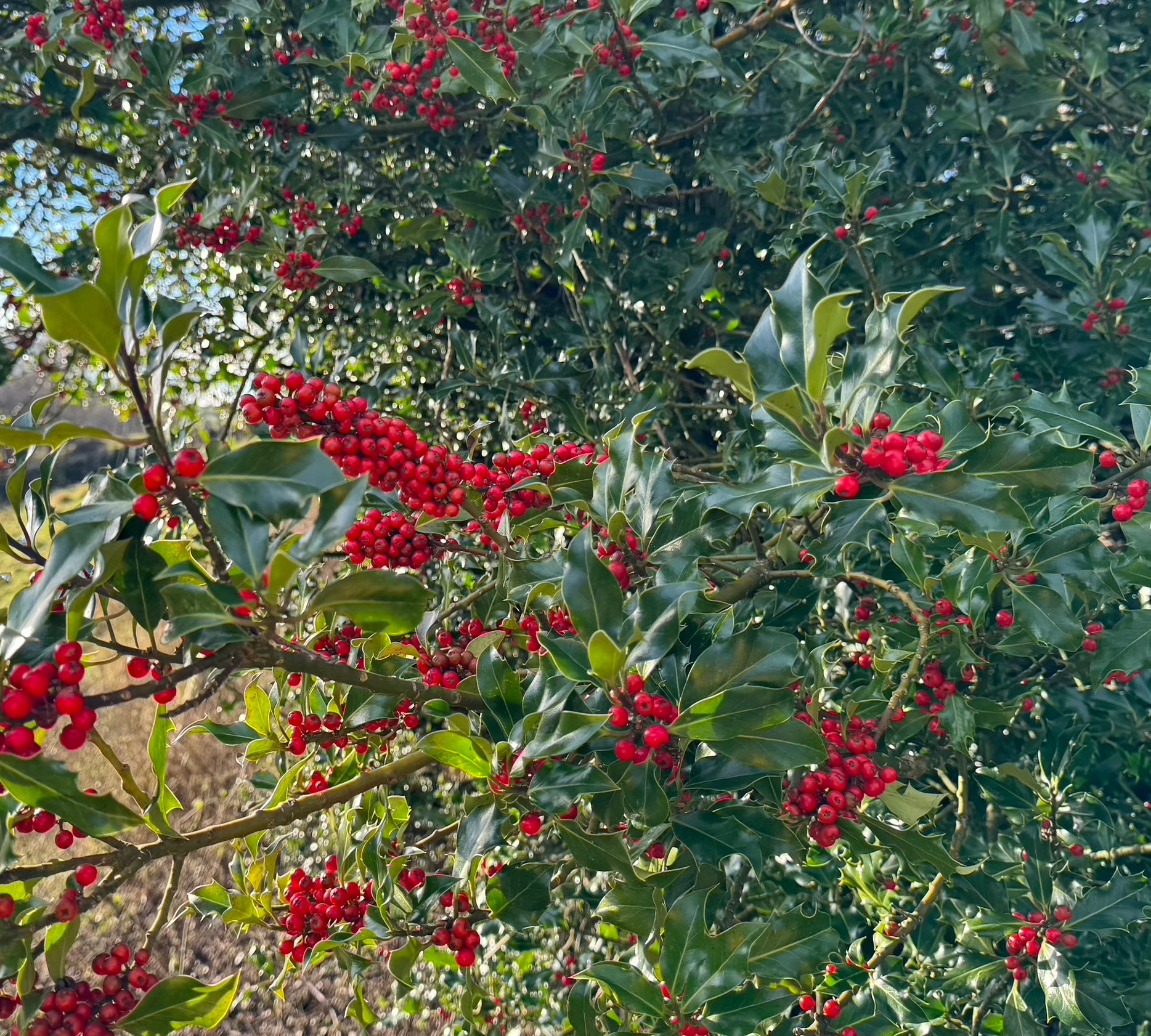
Unfairly maligned among some gardeners, holly is excellent for wildlife. Its evergreen spiky nature makes one of the best natural habitats for hedgehogs and birds. In winter female plants have red berries loved by birds. These ripen toward mid-winter solstice. Holly can be clipped into a dense hedge too.
(Read full holly design guide 🔒)
4) Knapweed (Centaurea nigra)
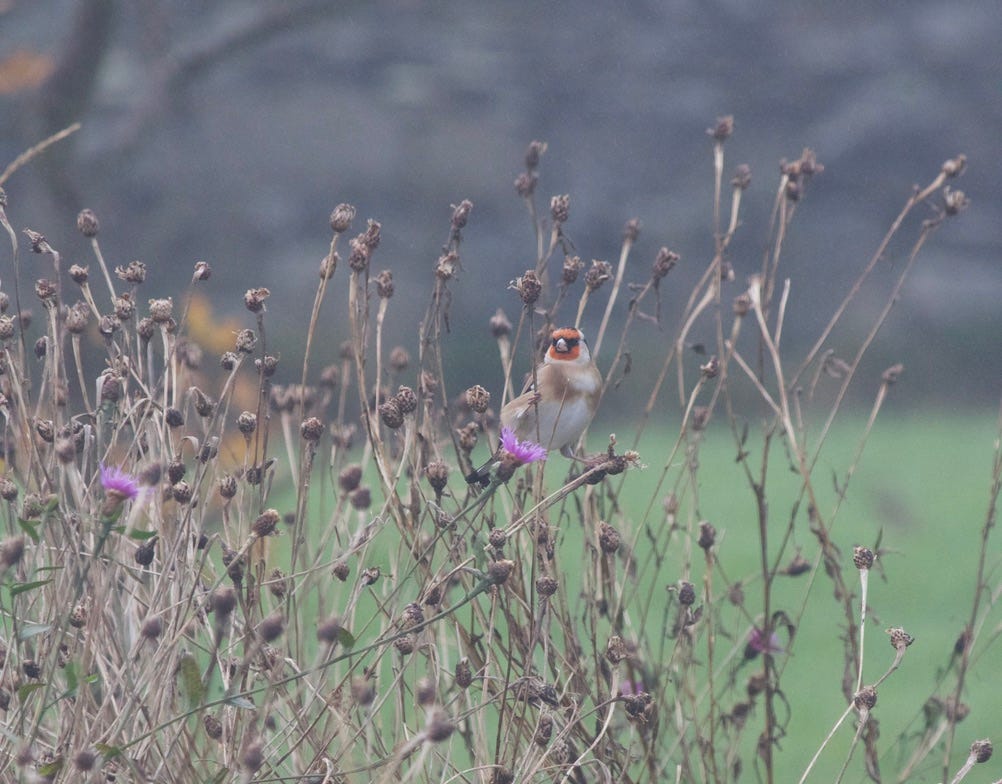
Goldfinch lurve knapweed. If that’s not reason enough to grow it, I don’t know what is. They aren’t the only ones, most small birds will eat the seeds - our plants often have nothing left which is currently restricting their ability to self sow! Also great for attracting late-summer insects… yes, that birds eat. You get the picture now with insects so I’ll stop repeating that point.
(Read full knapweed design guide 🔒)
5) Ivy (Hedera helix)
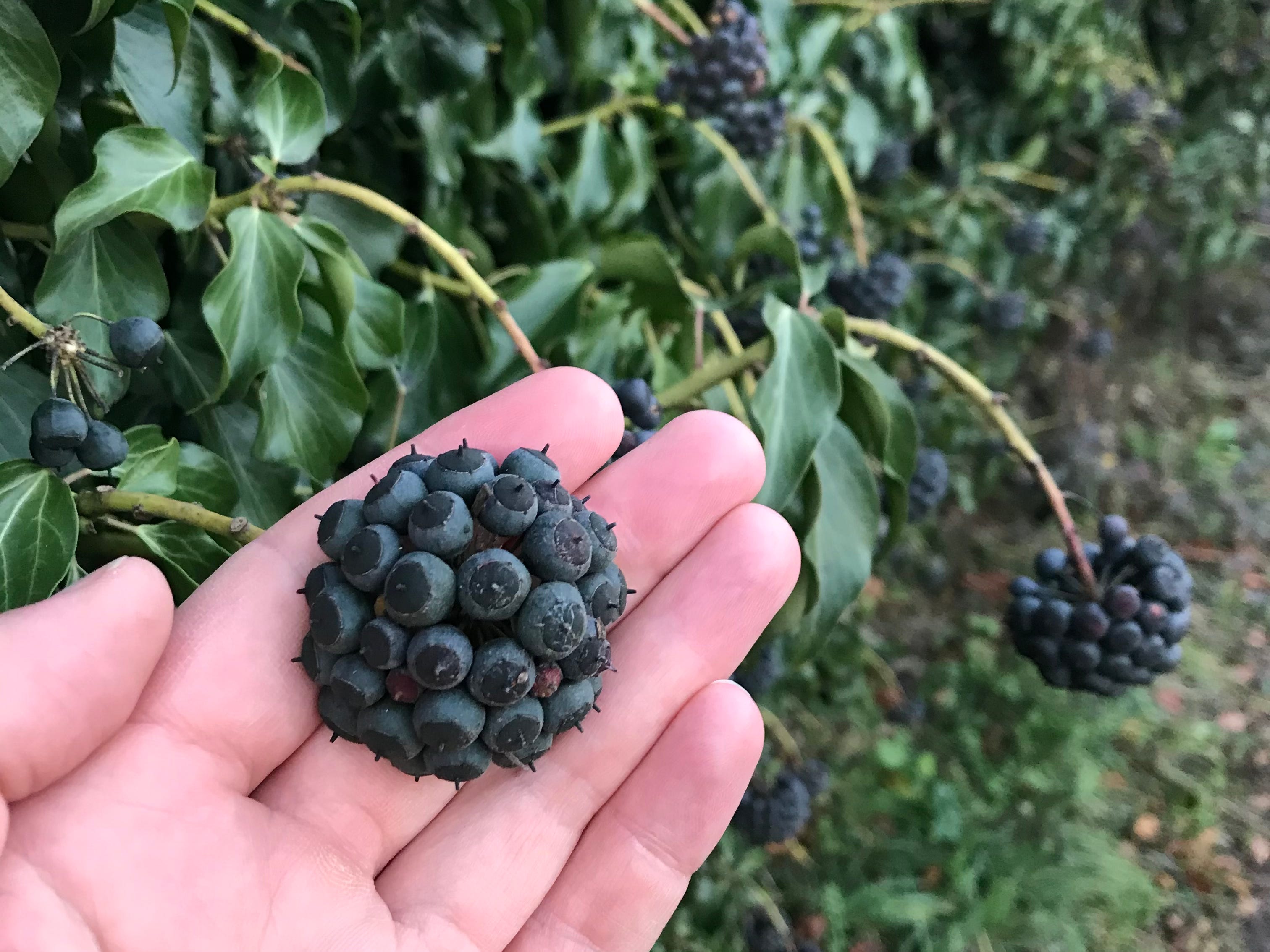
Another much hated plant but I love ivy! Ivy is beautiful and once it grows tall enough vertically, it produces flowers for insects in summer followed by very late ripening black berries eaten by birds. Its dense evergreen nature makes it excellent shelter for birds and nesting sites.
6) Echinops spp.
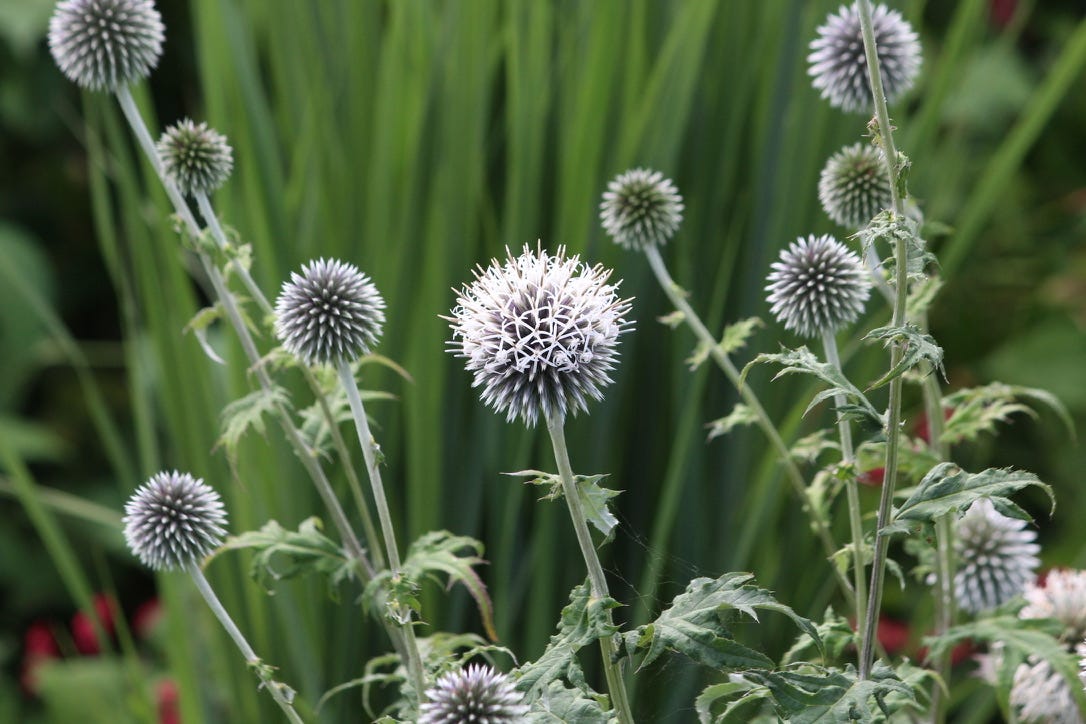
I had dreams of a beautiful Piet Oudolf style winter garden of seedheads but no chance. Birds eat all of the seedheads in our garden and first to go is Echinops, any cultivar will do. No sooner are the seeds ripe, the seedheads vanish, gobbled by all of the birds.
7) Elderflower (Sambucus nigra)
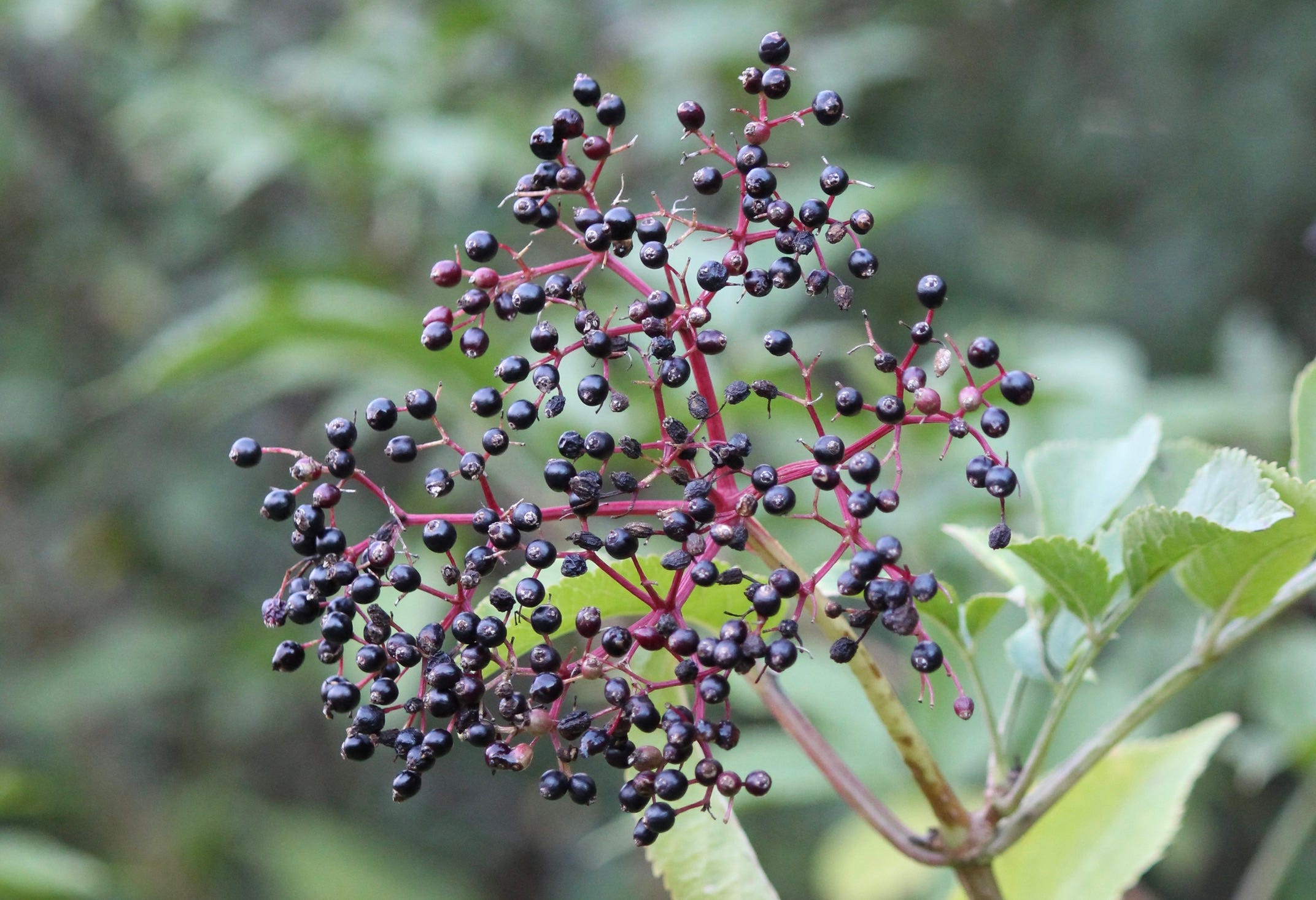
Just pipping hawthorn to the post for most planted small tree in my garden designs is elderflower. I love, love, love its flowers and leaves. Which attract myriad insects, especially aphids, which tits patrol for. In late-summer to autumn its black berries are one of the first to be eaten by birds.
(Read full elderflower design guide 🔒)
8) Teasel (Dipsacus fullonum)
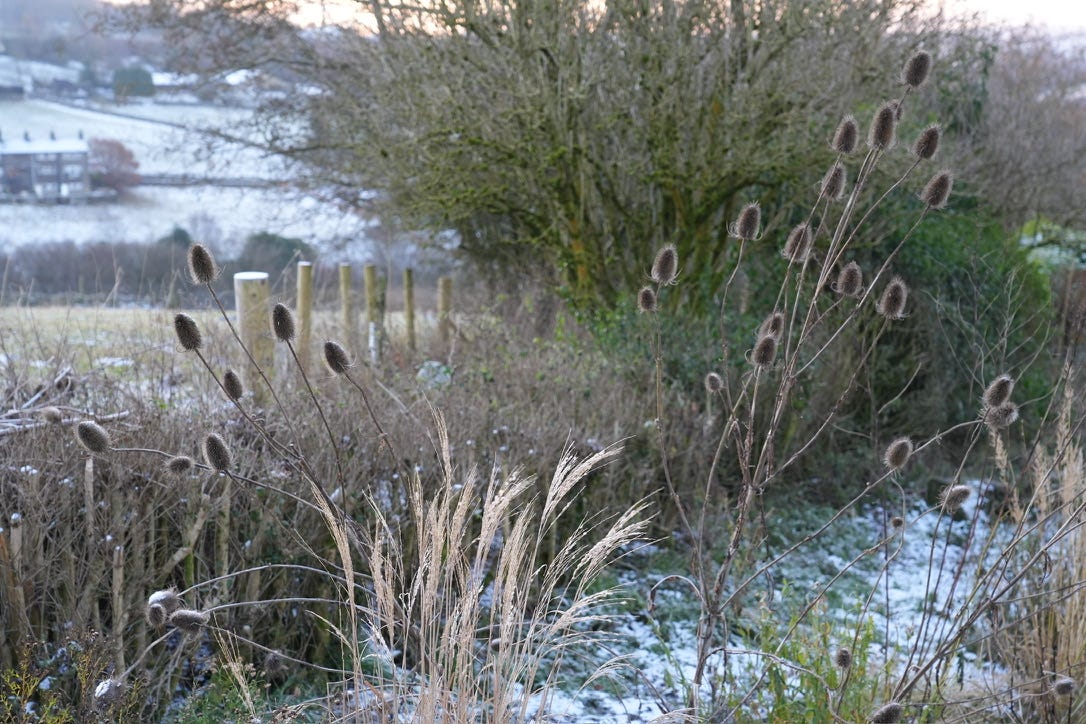
Teasel is one of my favourite designer plants, it also happens to produce a lot of seeds eaten by finch species. Easy and wonderful.
(Read full teasel design guide 🔒)
9) Blackberry
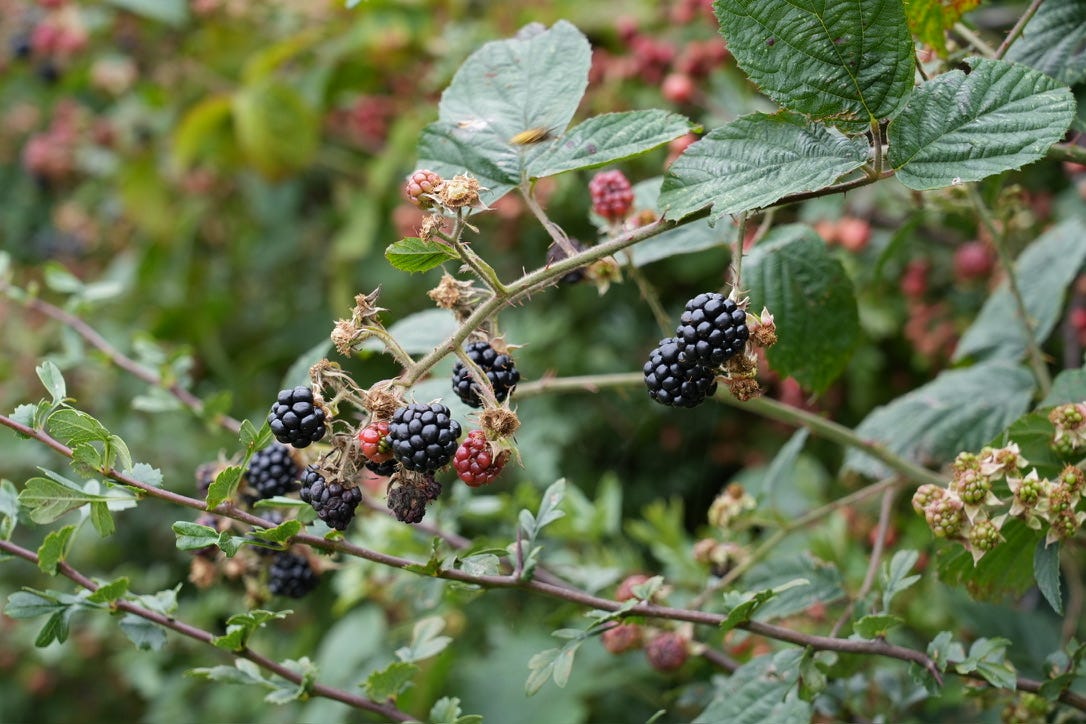
Ripening in the middle summer and continuing for a month or two, blackberry is an excellent bird supporting fruit. They’re tasty for us as well. Their flowers and leaves attract lots of insects.
(Read full blackberry design guide 🔒)
10) Raspberry
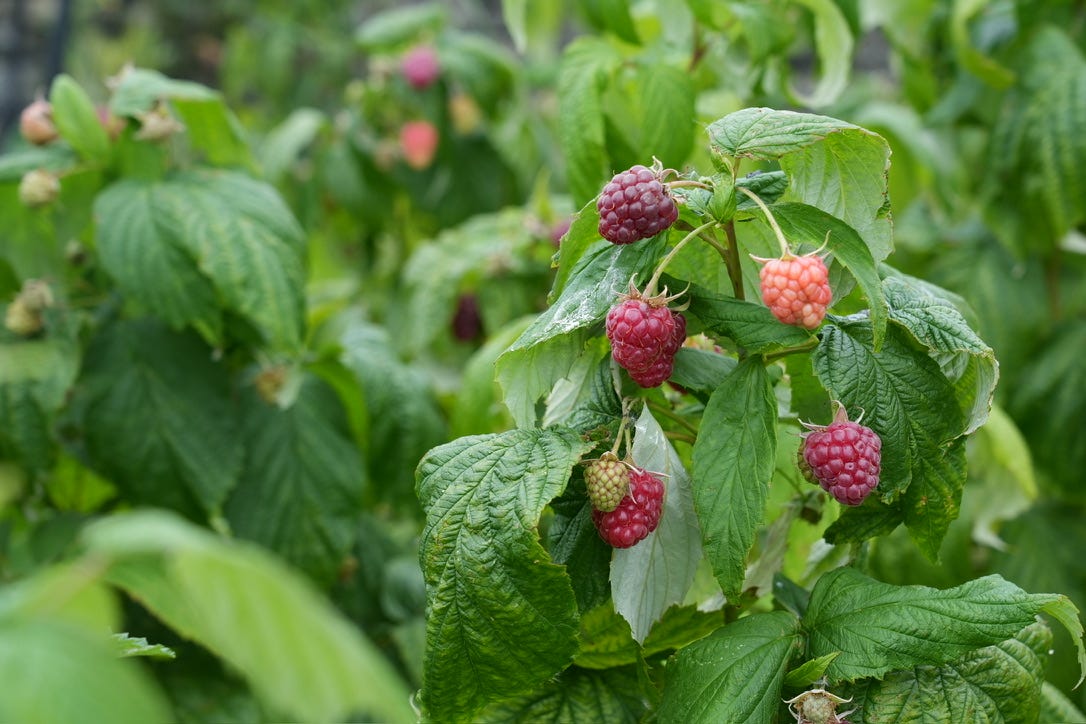
Summer raspberry crop in the first half of summer in one go, autumn raspberry crop from mid-summer until autumn. Good for us, good for birds. We grow enough for us and wildlife.
11) Red currant
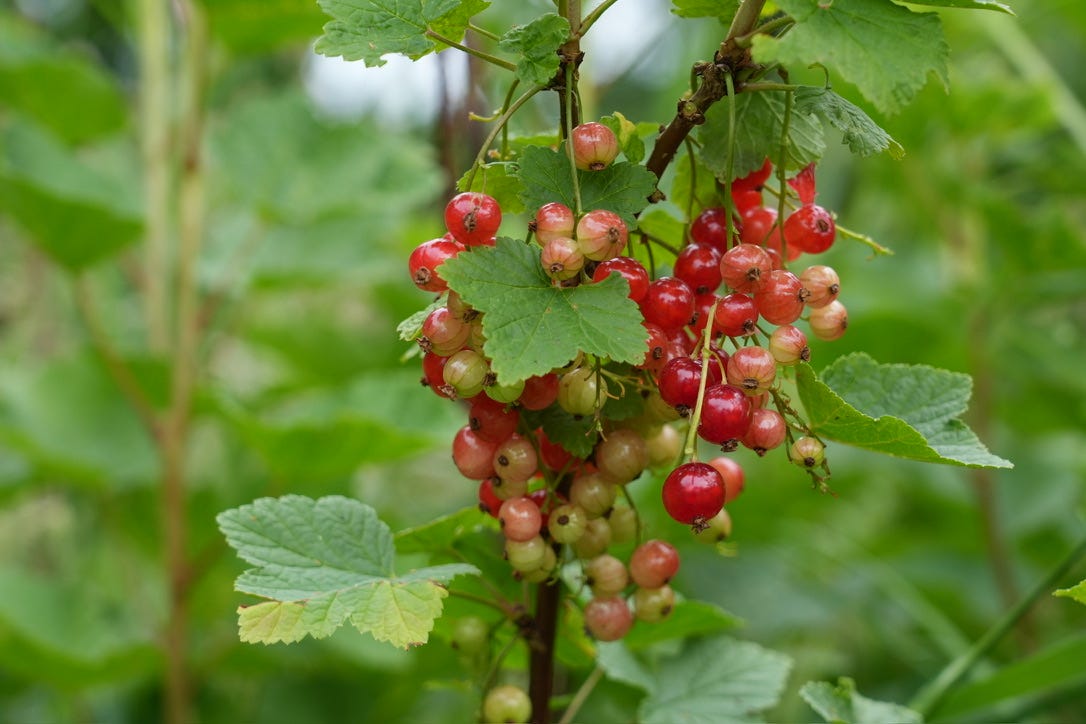
One fruit I can’t beat the birds to, they sit on the plant unripe and we only know they are ready when they vanish. A cheeky blackbird chuckling at us from the hedge.
12) Honeysuckle (Lonicera periclymenum)
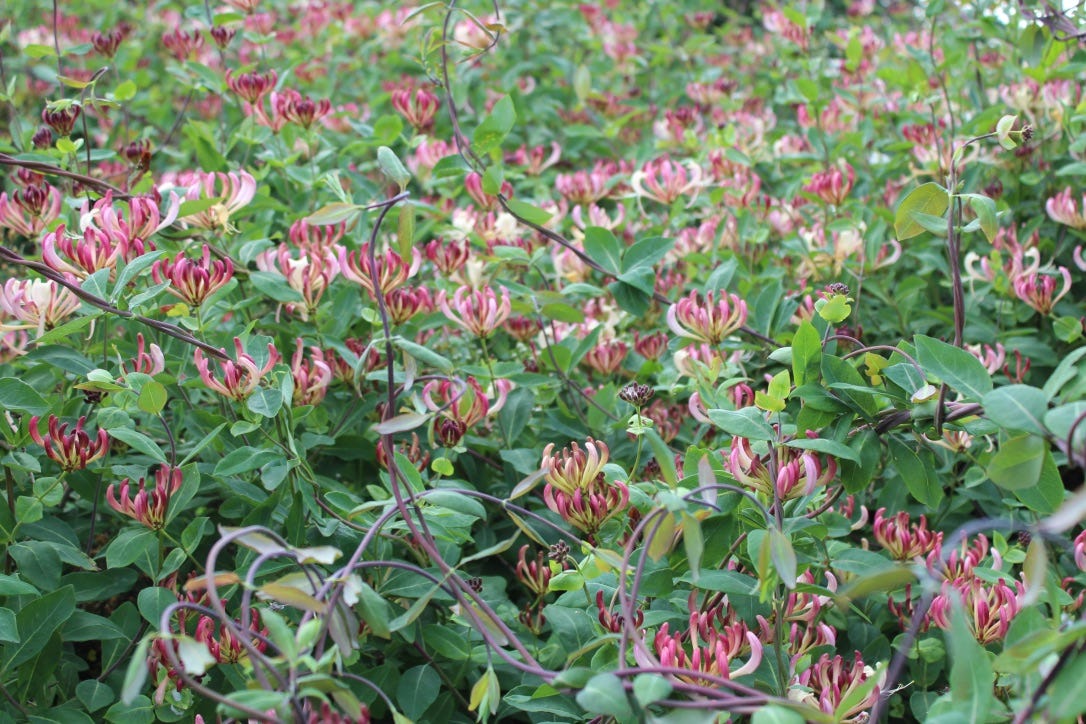
One of our native wild scramblers, honeysuckle attracts a lot of moths - good bird and bat food. And it produces berries in summer for birds. They don’t last long.
13) Rowan (Sorbus aucuparia)
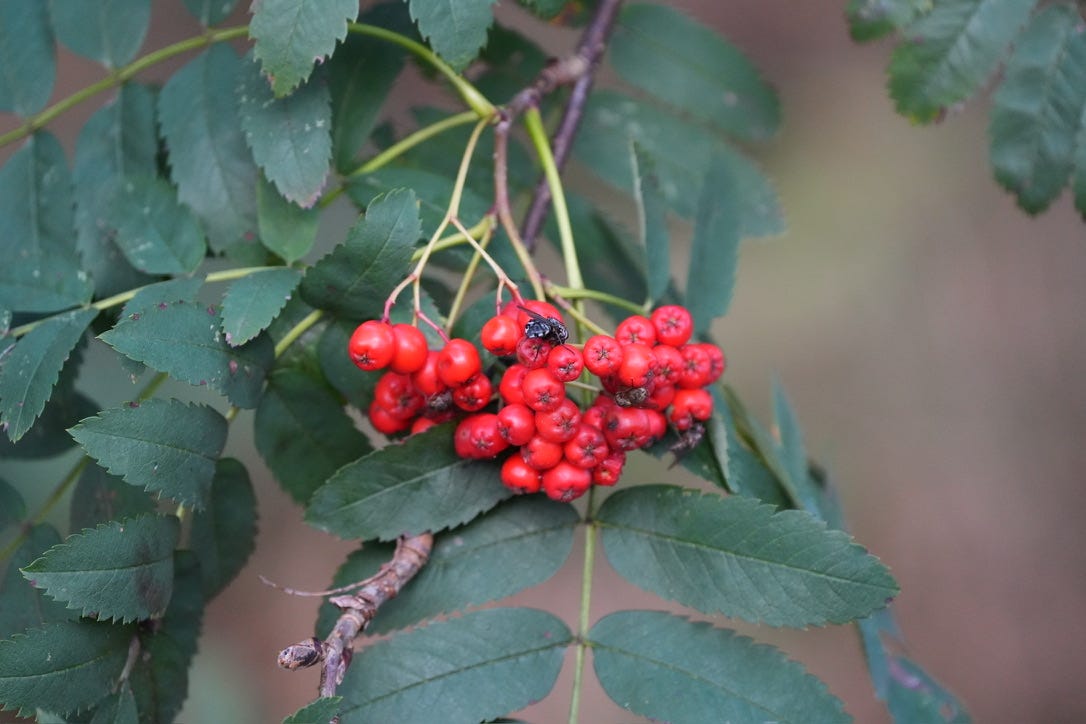
A lovely medium sized tree with creamy flowers followed by summer red berries for birds.
14) Thistles
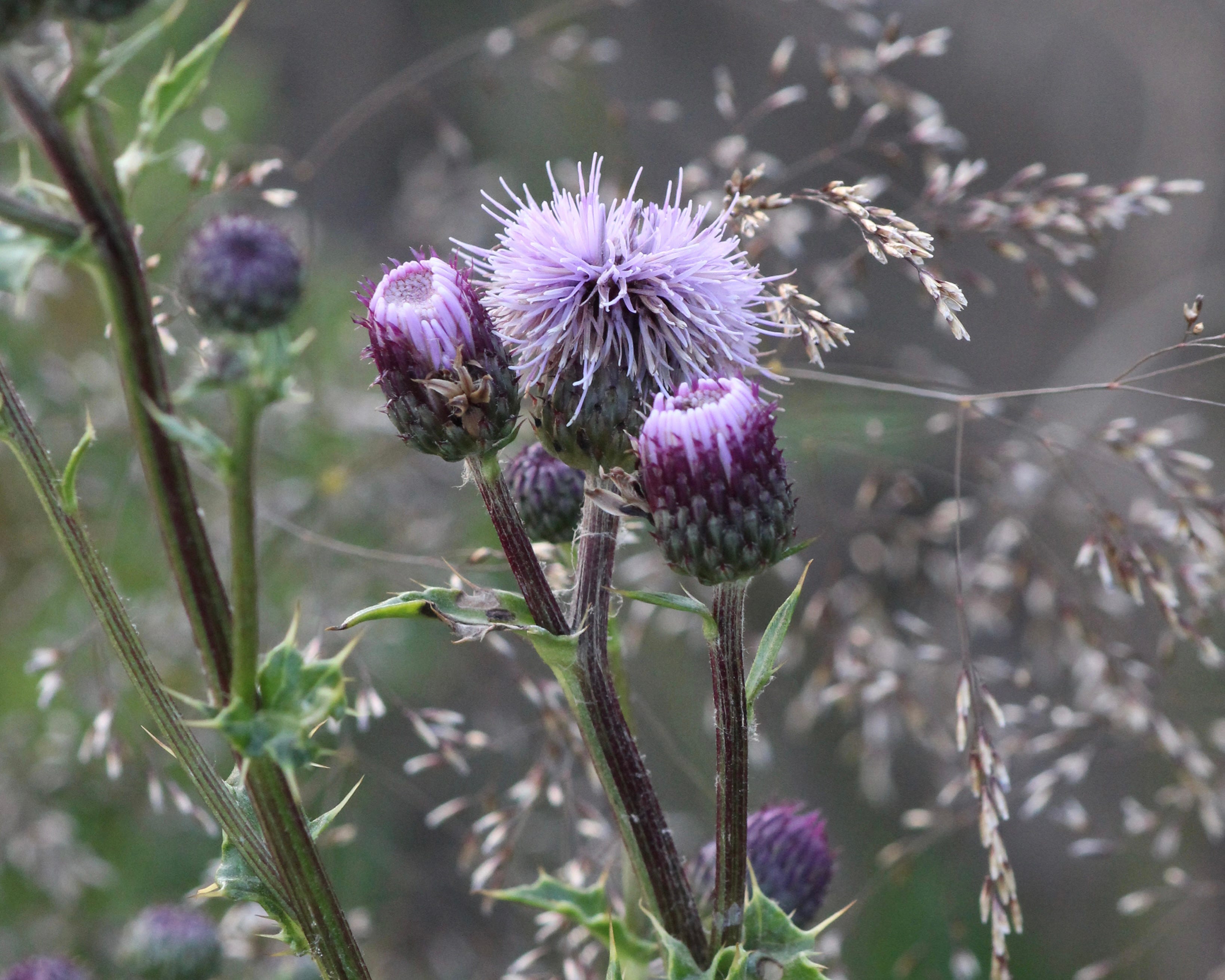
All of the wild thistles produce seeds similar to knapweed eaten by birds. Ornamental thistles such as Cirsium produce the same and are a bit better behaved by not spreading as much.
15) Wild grasses
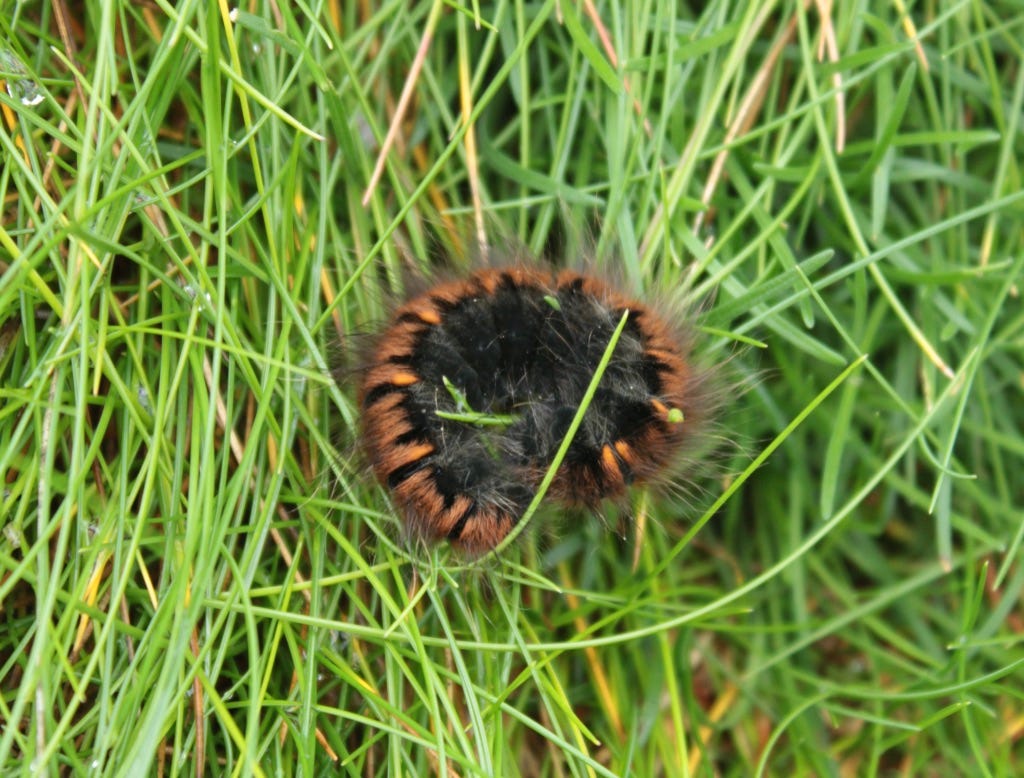
Not just for seeds but for insects that eat them - many moth and butterfly larvae eat the leaves. They also shelter or remain active in them during winter when birds may find and eat them. A mini meadow is ideal because it will provide lots of food for birds - even if the food isn’t immediately obvious.
16) Dandelion (Taraxacum spp.)
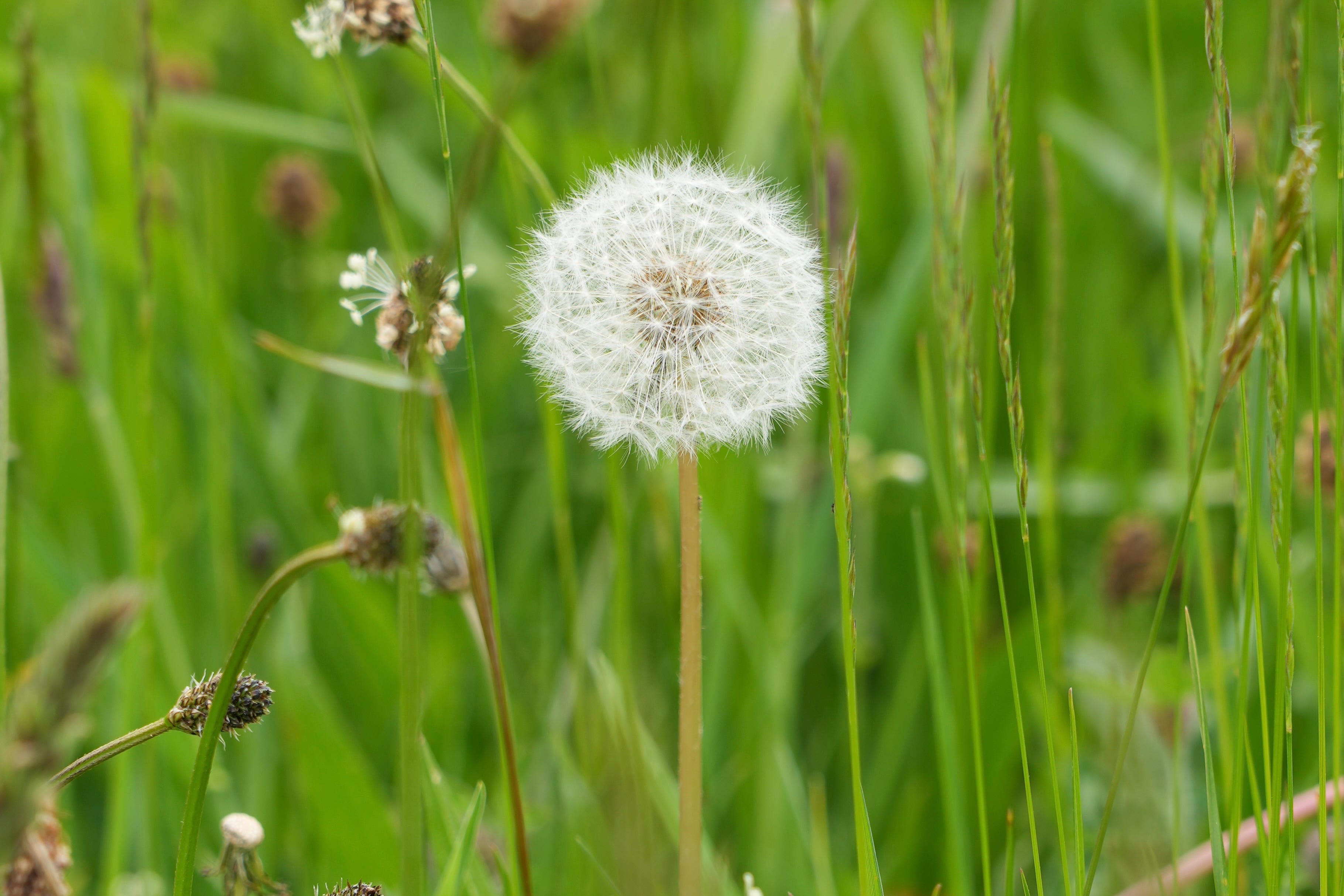
Finches, wrens and other small birds eat the seeds of dandelion clocks. I’ve also noticed they nibble the leaves. I really like the flowers of dandelions as well as the seedheads. Grown in grass the leaves are less noticeable, which is the bit people don’t like so much in gardens.
(Read full dandelion design guide 🔒)
Find out more
Please check out the RSPB website for more information and consider becoming a member to support the charity’s important work. As a member I recently had a day out at their Bempton Cliffs and it was an extraordinary experience.
I’ve also written more on this topic in this past article on feeding birds naturally.
I hope that has given you lots of food for thought, and perhaps even more natural food for birds!
I purposely didn’t include annual plants like sunflowers because while they are great, they require us to sow them. Whereas I am interested in self-supporting habitats. I also didn’t include large trees like oak because, while these are great and there are lots of big trees to help birds, I wanted to keep it practical for gardens.
Have I missed any? Which plants do you grow that produce food or insects for birds?

p.s. I’ve made this post free to help share my experience across gardens with as many people as quickly as possible at a point when I know many are worried about the new advice to not feed birds. I do have a £26/year paid subscription with extra guides if you are interested or want to help support my work. Thank you as ever.
Thanks for this - I've just taken down my bird feeders. Can you give us a little teaser on the crab apples? I'm just about to buy one. Are most cultivars equally good for birds or should I look for one in particular. I'm looking for something quite small
Really useful article, thanks Jack. I feel like printing it out and putting it through the letterboxes of everyone on our street in London! I have never seen such sterile gardens with so few insects. So depressing.
In terms of other plants, birds seem to love our field maples - they are slow growing but I'm not sure their final size. Still beautiful trees I think.