

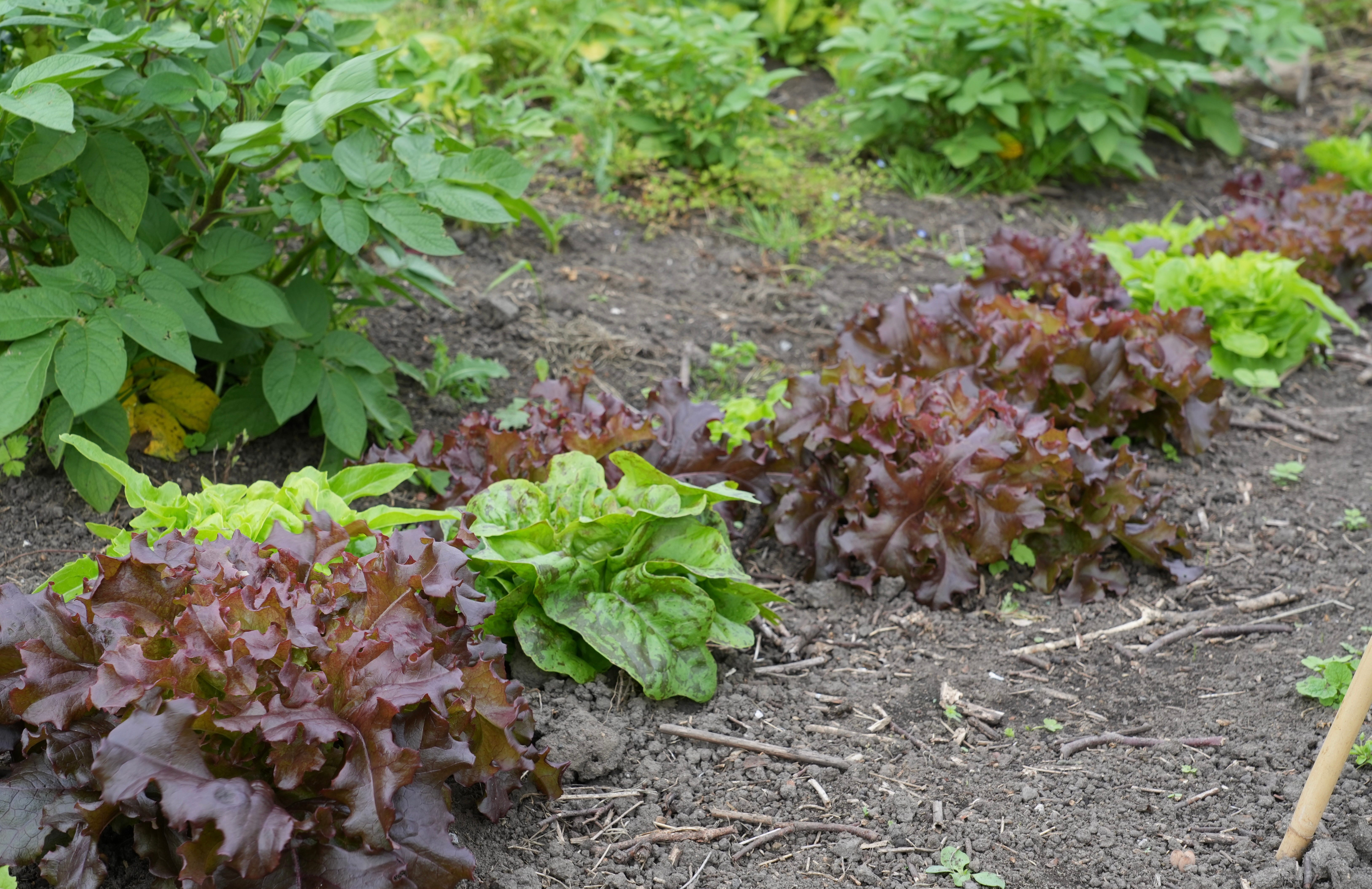
Growing salad over the years has given me an inordinate amount of pleasure. Being able to grow at least some salad for every day of year is heartening and builds confidence. More delicious than I’d expected, fresh leaves from a mix of plants have varied flavour, texture and colour that’s hard to match in packaged stuff. I grow and forage plenty of leaves from perennial plants and also love the simple process of sowing and growing a colourful row of annual lettuce.
Harvest
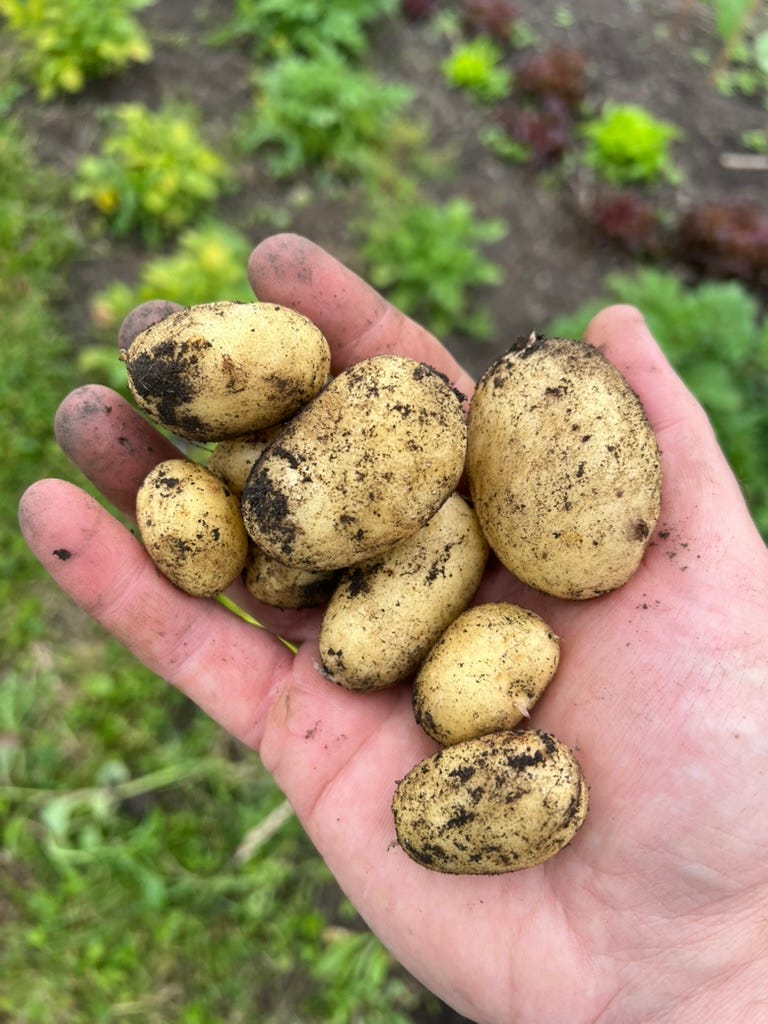
Few things taste better than a fresh homegrown new potato. New potatoes are ready for us now - signalled by pheasants digging them up for seemingly no reason. This year I’m growing ‘Jazzy’, though I also often grow either ‘Anya’ or ‘Pink Fir Apple’ depending on which is available.
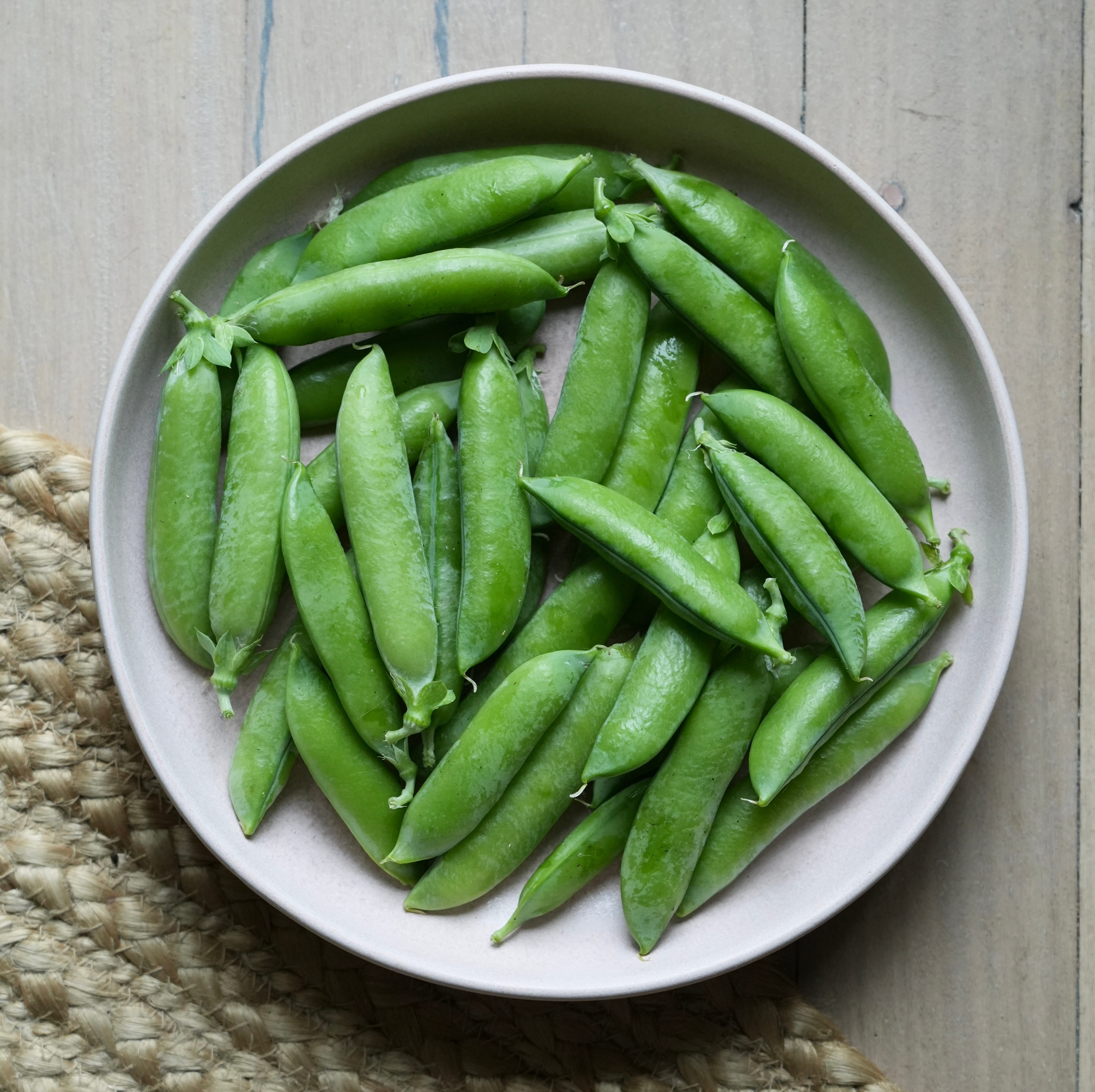
Other crops are starting to produce summer gluts including pea ‘Meteor’, which are still cropping for us. Keep picking peas and beans and they’ll produce more. Raspberries and gooseberry are ripening and our rhubarb are still producing strong stems to eat.
Semi-hardwood cuttings of shrubs
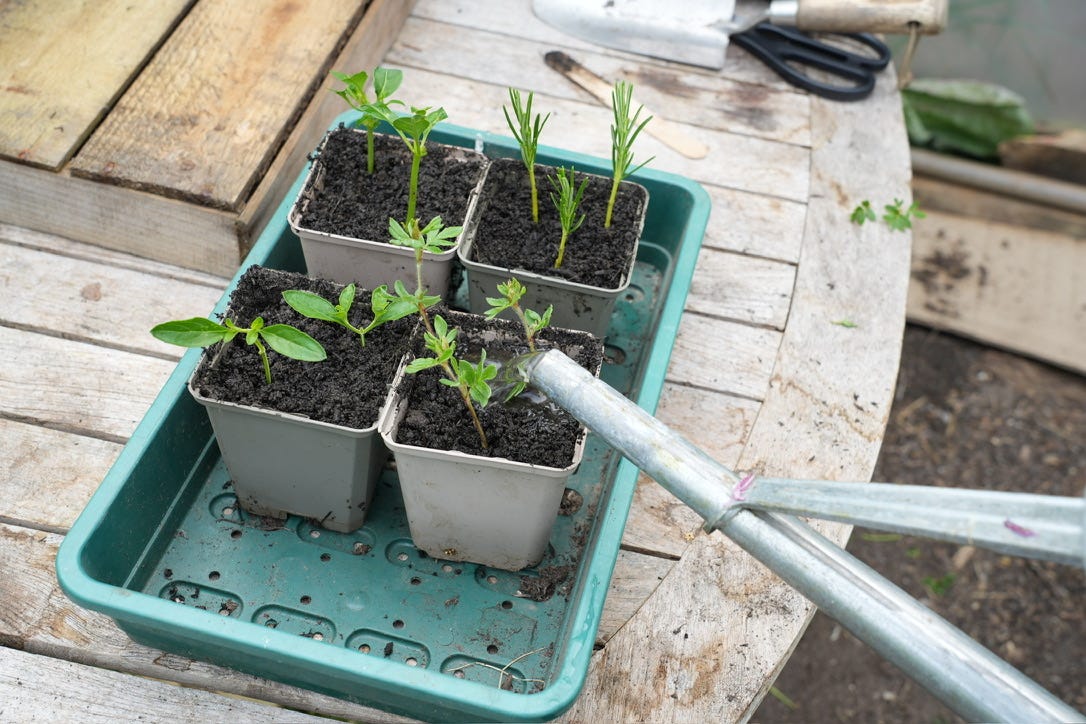
July is an excellent month to propagate new shrubs. Softwood and semi-hardwood cuttings root quickly in the warmth of midsummer. Key is to take a 10-20cm new shoot, strip the lower two thirds of leaves, place in compost in a bright spot out of direct sunlight - so they don’t cook. Cover with a transparent propagator lid or bag until new leaf growth is seen. I’ve written a guide on shrub cuttings with more detail.
You can take cuttings from all sorts of shrubs now including gooseberry, currants, honeyberry, rosemary, thyme, sage, potentilla, roses, salvias, fuchsia and hydrangea. Search online for your shrubs to see if they are suitable - most are!
Annual vegetables
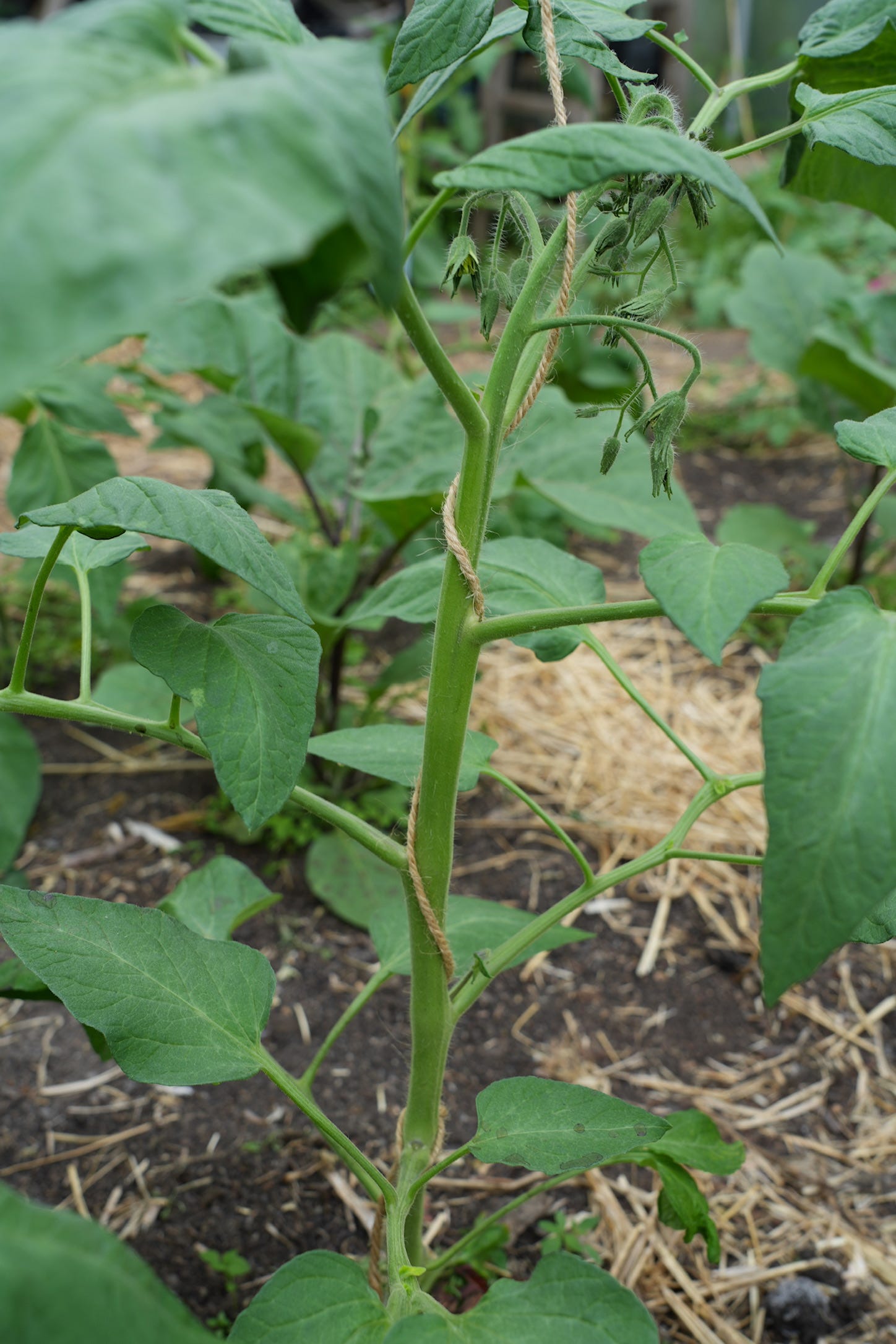
A lot of my time and attention in summer goes on the tomato plants because we really love fresh summer ripened tomatoes. In fact, I get a little obsessed with tomato plant watching. Ours were slow to get going this year but are fast catching up. I tie thick 3mm twine to the beams of our polytunnel and then loosely tie the other end around the lower stem. I can then gently twist the plant around as it grows, this is enough to support the vine. Pinching off side shoots to put all energy into vertical fruiting. Once set up, I find vine tomatoes easier than bush types to harvest because the fruit is easier to reach.
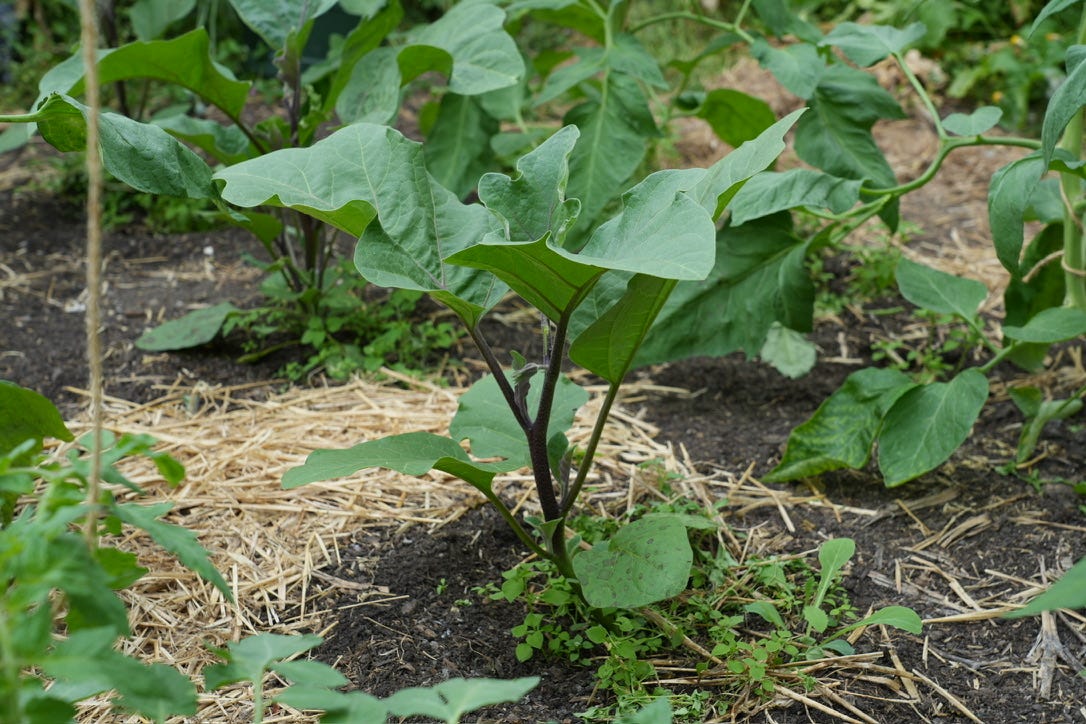
I’ve pinched out the top lead shoot of our aubergines (above) to encourage the sideshoots to grow. This causes the plant to bush up, producing more fruit. It also makes the plants sturdier and less top heavy.
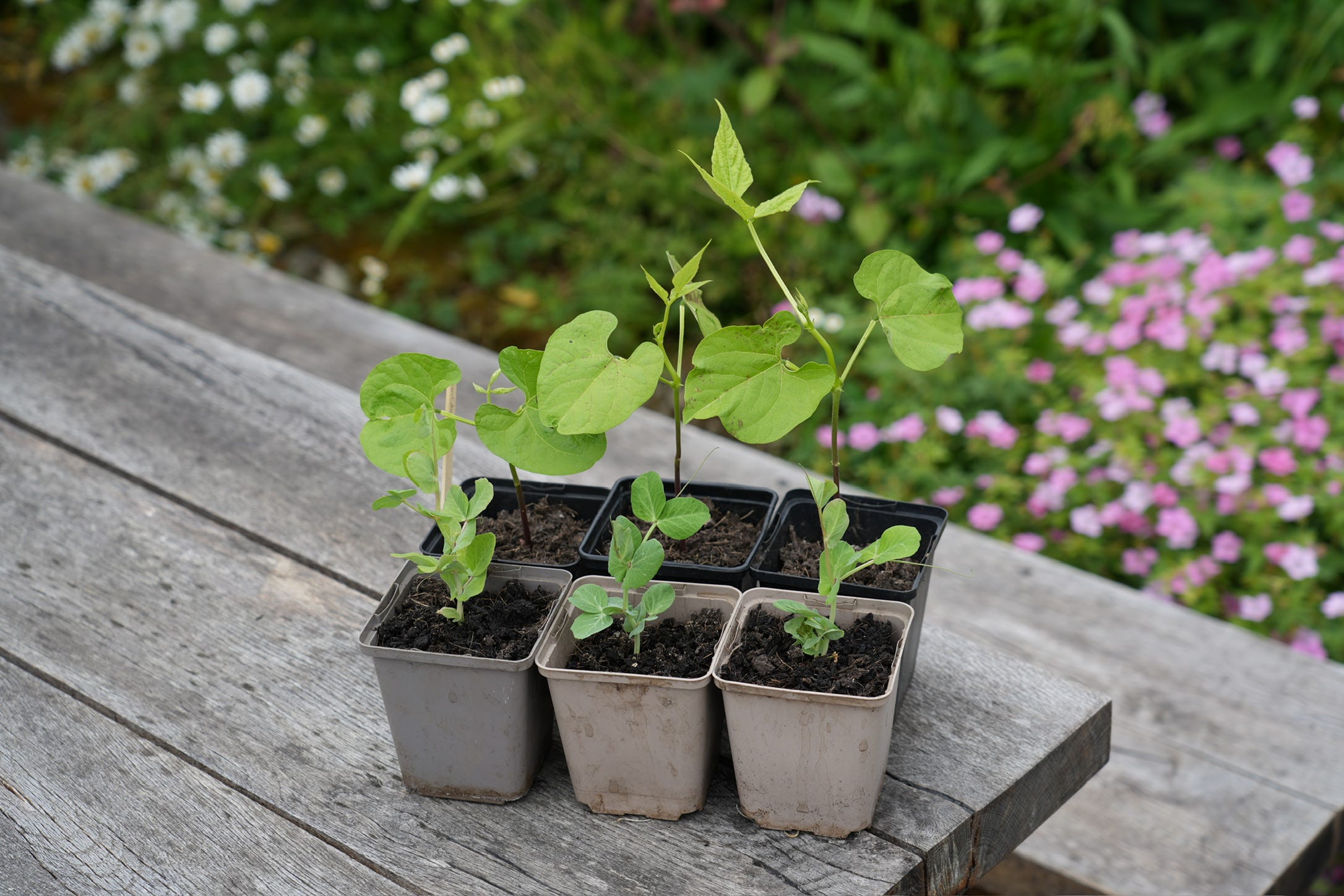
There is still time to sow and grow French beans, including borlotti and orca types meant for dried beans. Read my guide to how and the differences between these beans.
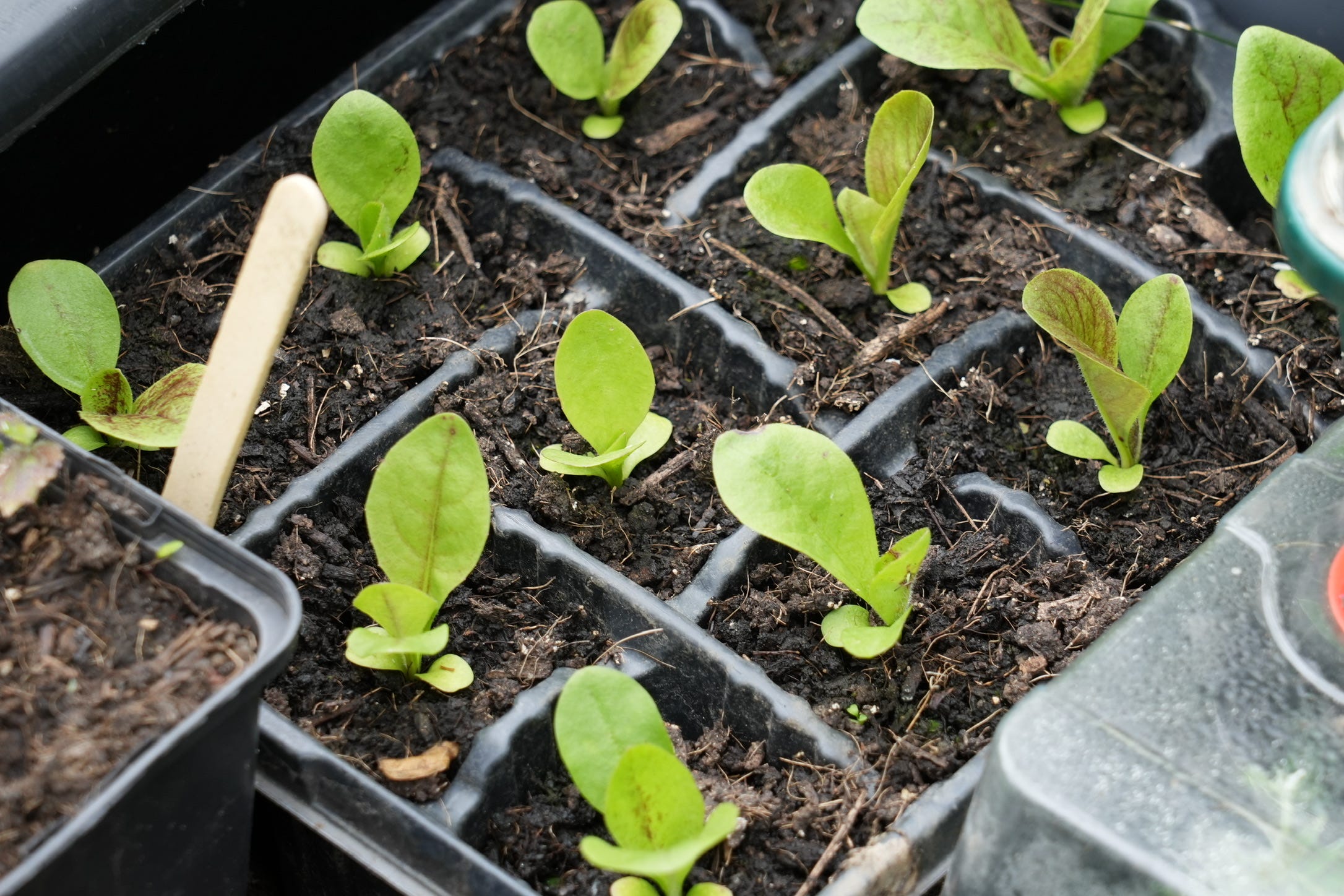
These are seedlings of Chicory ‘Rossa di Treviso’ sown a few weeks ago, they can be sown now too. Chicory makes a great crunchy base for a salad. Other crops to sow now include Florence fennel, spring onion, radish and turnip. We’ve been making delicious pickled turnip!
Meadows
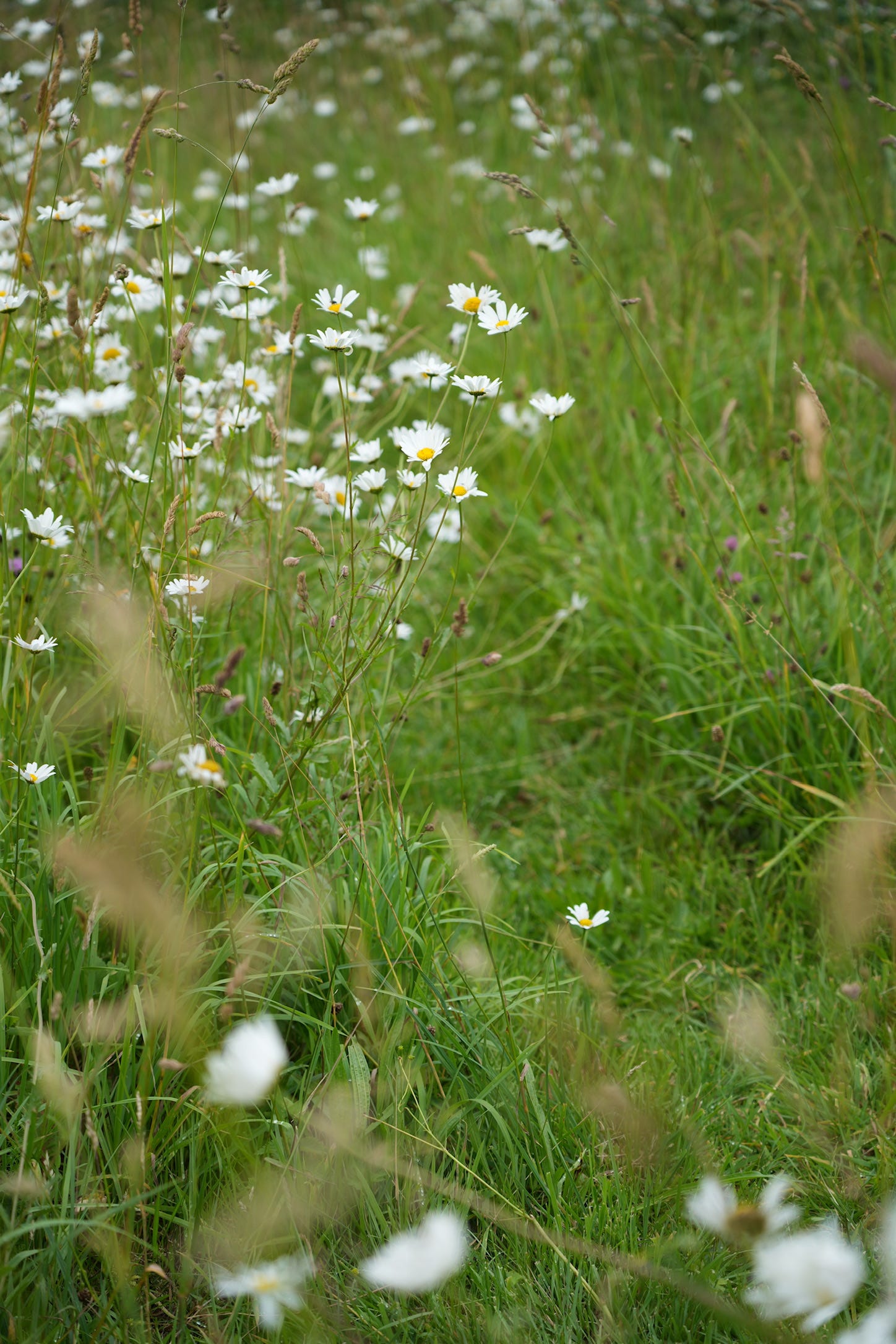
If you are trying to introduce or enhance a meadow or pasture area, around about now (earlier down south) both yellow rattle and eyebright will start to have ripe seed. The best way to use these is to collect and immediately spread where you would like the plants to grow. Bearing in mind that eyebright grows best in already quite short or open grass, such as path edges or in already short patches.
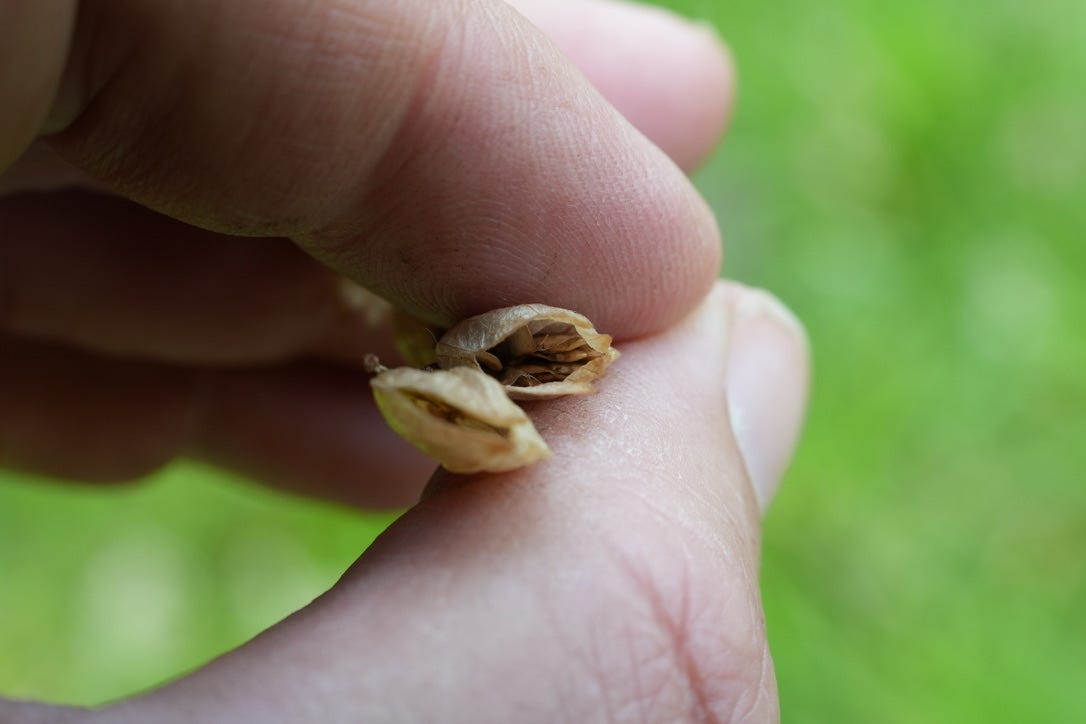
Above are yellow rattle seed capsules that can be tipped into your hand. Eyebright seeds are produced next to their stem and need to be picked off painstakingly.
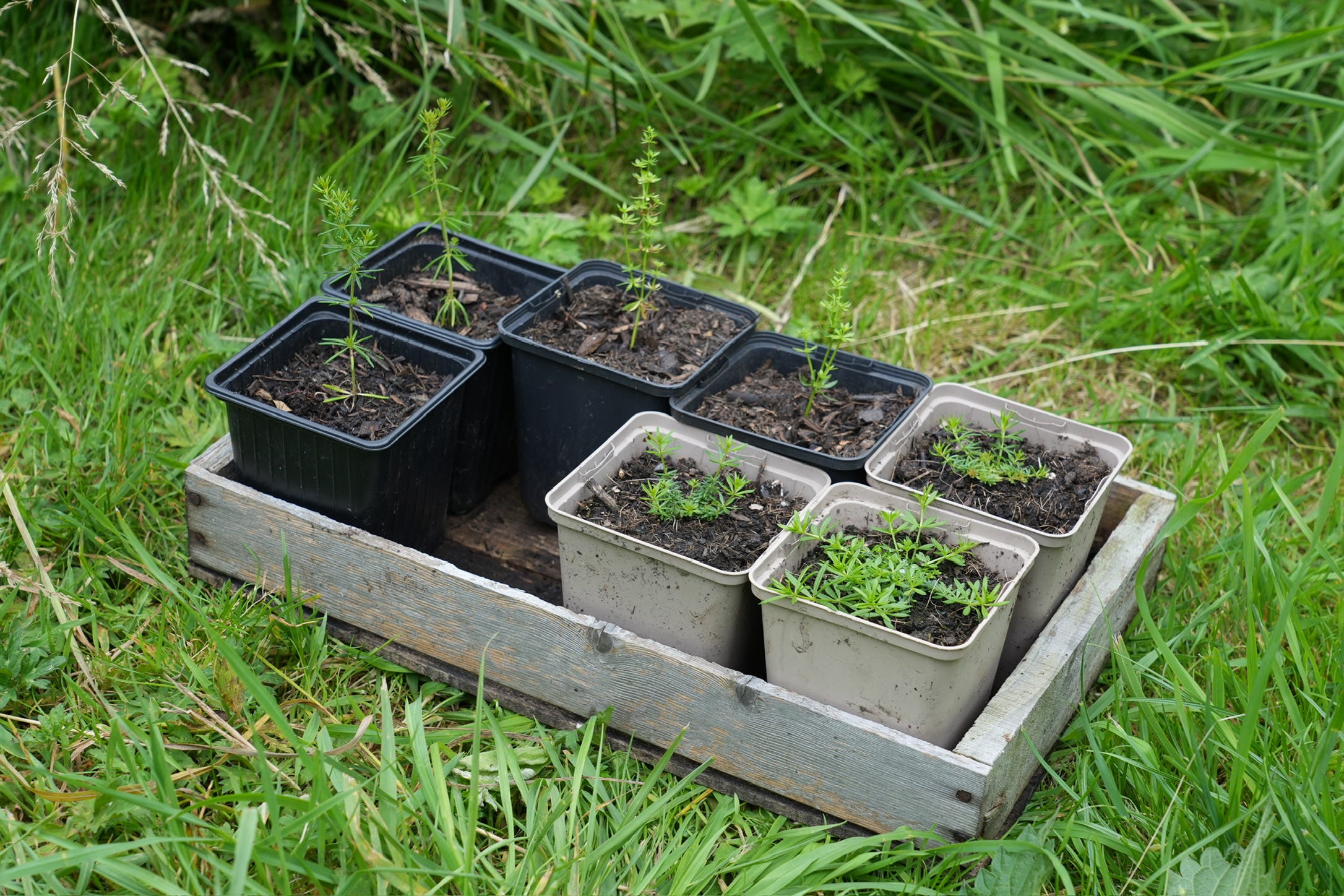
I find the most reliable way to start wildflowers is from small plants in plugs or 9cm pots. At this point in summer I would hold off planting these into dense meadows or other planting, and instead now wait until late-summer or autumn. Unless you can keep them watered and ensure they have enough sun. Otherwise they may dry out in heat or have light blocked by larger plants.
Wildlife
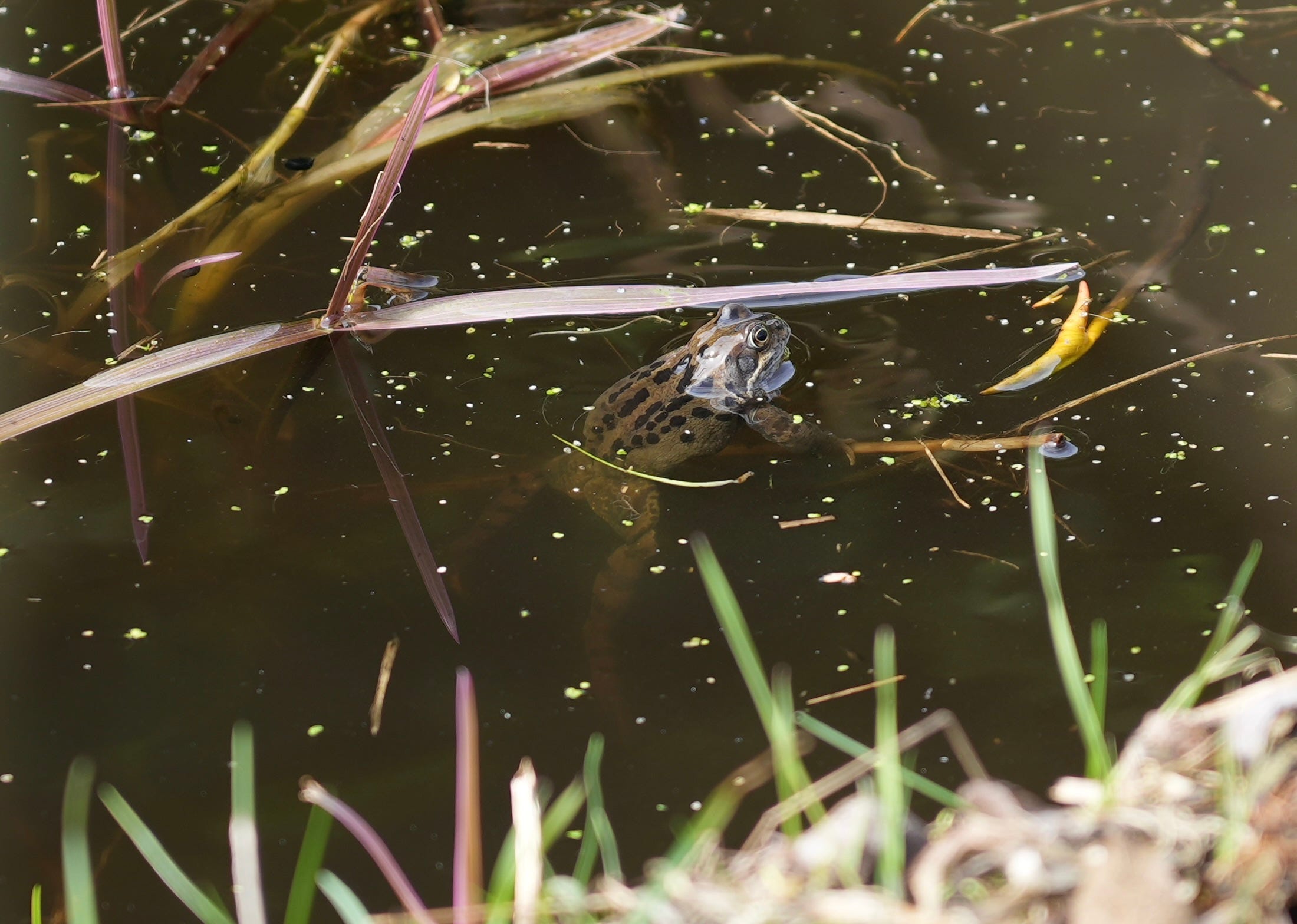
At this point in the year the most important job for wildlife is to provide water during long dry periods as puddles will have dried up. If you have a pond, keeping it topped up is enough.
If you don’t have a pond, a low and wide dish is great. Or ideally a couple, one on the ground for ground dwellers and one higher up for birds and flying insects, out of reach of ground predators. Add a few pebbles or bits of wood for insects to land on or use to escape the water if they fall in.
The RSPB advice for birds was to only provide water in dishes if you can wash it every day to prevent the spread of disease, and I think that is sensible.

Keep learning with a £26/yr Wild Way paid subscription
Workshop focussed on establishing wildflowers
10 plants that bring order to an unkempt garden

Our garden is so exciting this year and it’s amazing how much it has changed since the alliums only a month ago! But I am aware it can veer into unkempt mess. Which is why I keep a few planty tricks up my sleeves and I’ll reveal some to you below…
Euphrasia | eyebright

When we first moved to our garden in Yorkshire, I started noticing a tiny white-flowered plant in our meadow. At first I acknowledged it but thought little of it until I looked up and discovered it was eyebright (Euphrasia spp.) a hemiparasitic plant, it attaches its roots to other plants to extract nutrients from them. Hemi, which means half or partially, because it can still absorbs nutrients from soil and photosynthesises. The gardening world champions yellow rattle in meadows but eyebright is rarely mentioned. Yet as I’ve learnt, this tiny wonder is every bit key piece in the grassland puzzle.

Perennial vegetable plant community (Part One)

My style of planting plan design is to use representative simple coloured circles to the final width of the plant using semi-transparency to see through them. The colour reflects either the main flower or leaf colour and they overlap as they will in real life, looking like a collage. Since sharing online and in my book
How to spot and deal with blight on potatoes and tomatoes

Late-blight is a “fungus-like” organism called Phytophthora infestans that will quickly kill potato and tomato plants because they are closely related in the Solanum plant family. You can see how closely the plants are related by looking at the structure of their flowers. This summer, with non-stop rain, is the perfect, wet, humid and warm conditions for the blight to spread quickly and sure enough, our potatoes and outdoor tomatoes are showing the signs.
Grow delicious French and Borlotti beans for nutrition

There’s something about the feel of large bean seeds in the hand, it’s not only the size, it’s the texture and the promise of what’s to come. Vigorous and sure to grow, with few issues beans are a fun starter vegetable for everyone to try, giving you a strong chance of an often high yielding crop for no hassle.
Jack, the West Yorkshire Organic Group hold a Potato Day every year (in Shipley College in Saltaire) with LOTS of potato varieties, some organic, on sale. People queue round the block! It’s in February sometime round St Valentine’s Day I’ll try and remember to send you a flyer.